


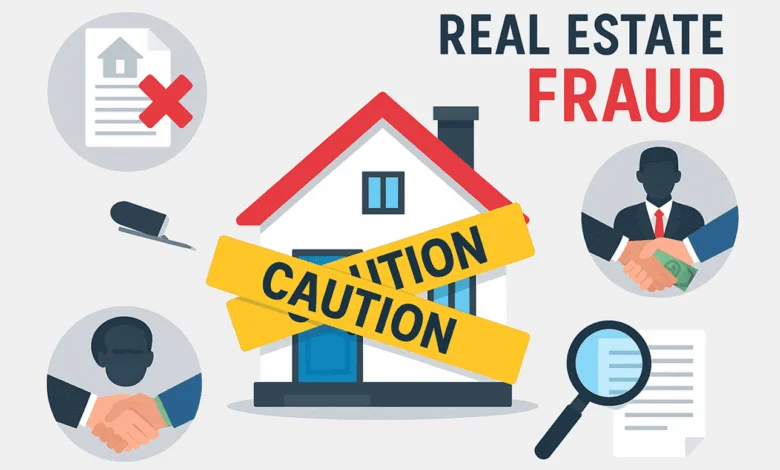
Real estate professionals, buyers, and investors are facing a rapidly evolving fraud landscape in 2026 as digital transactions expand and property values remain elevated in many U.S. markets. Industry experts say awareness of emerging fraud schemes—from wire-transfer scams to title theft is becoming essential for anyone involved in residential transactions, especially in fast-moving markets like Florida where remote closings and relocation purchases are common.
One of the most persistent threats remains wire-transfer fraud during closings. Criminals often impersonate title agents, lenders, or attorneys and send last-minute payment instructions requesting buyers transfer funds to fraudulent accounts. According to guidance from the Federal Bureau of Investigation (FBI), real estate wire fraud continues to rank among the most costly internet-enabled financial crimes nationwide. Experts recommend confirming wiring instructions directly with title companies through verified phone numbers before sending funds.
Another growing concern is title and deed fraud, sometimes referred to as “property title theft.” In these schemes, criminals attempt to transfer ownership of vacant land, rental properties, or second homes without the owner’s knowledge. Regulators including the U.S. Department of Housing and Urban Development (HUD) have emphasized the importance of monitoring property records and signing up for county-level title alert systems where available.
Remote notarization abuse has also emerged as a newer risk area as digital closings become more common. While Remote Online Notarization (RON) has improved transaction convenience, fraud prevention experts say criminals sometimes attempt to exploit identity-verification weaknesses in poorly secured signing environments. Many states are strengthening authentication requirements in response to these concerns.
Fraud targeting vacant land transactions is another trend gaining attention in 2026. Because vacant parcels often lack active occupancy or monitoring, scammers may attempt to impersonate owners and list land for sale without authorization. Title professionals say buyers should ensure ownership verification occurs through licensed agents and reputable title companies before proceeding with purchases.
Rental-related scams remain widespread as well. Fraudsters frequently advertise properties they do not own—particularly in high-demand relocation markets—and collect deposits from prospective tenants. According to housing professionals, verifying property ownership and working with licensed agents can significantly reduce exposure to these schemes.
Mortgage-related misrepresentation is another area regulators continue monitoring. Providing inaccurate employment or income information during loan applications can lead to financing denial, legal exposure, or contract termination. Agencies such as the Federal Housing Administration (FHA) emphasize that accurate documentation remains critical throughout underwriting and closing processes.
Cybersecurity threats targeting real estate brokerages have also increased. Hackers sometimes attempt to access agent email accounts to intercept transaction communications or alter payment instructions. Industry analysts say brokerages are investing more heavily in secure transaction platforms and multi-factor authentication tools to reduce these risks.
Investors are particularly vulnerable to off-market property fraud schemes, where scammers present fake ownership claims or misrepresented investment opportunities. Analysts say verifying seller identity and title history through licensed professionals is essential before committing funds to any transaction.
Florida’s real estate market remains especially exposed to fraud risks due to its strong relocation activity and high volume of remote buyers. Cities such as Miami, Orlando, and Tampa continue attracting out-of-state purchasers who may rely heavily on digital communication during transactions. Experts say this makes verification procedures even more important in these regions.
For consumers, awareness remains the most effective protection. Simple steps such as confirming wiring instructions verbally, monitoring property records, working with licensed professionals, and avoiding urgent payment requests can significantly reduce exposure to fraud risks during transactions.
Looking ahead, real estate fraud prevention is expected to remain a priority across the industry as digital closings expand and transaction speeds increase. While technology continues improving convenience for buyers and sellers, experts say stronger verification practices and consumer education will play a key role in protecting property ownership throughout 2026 and beyond.