


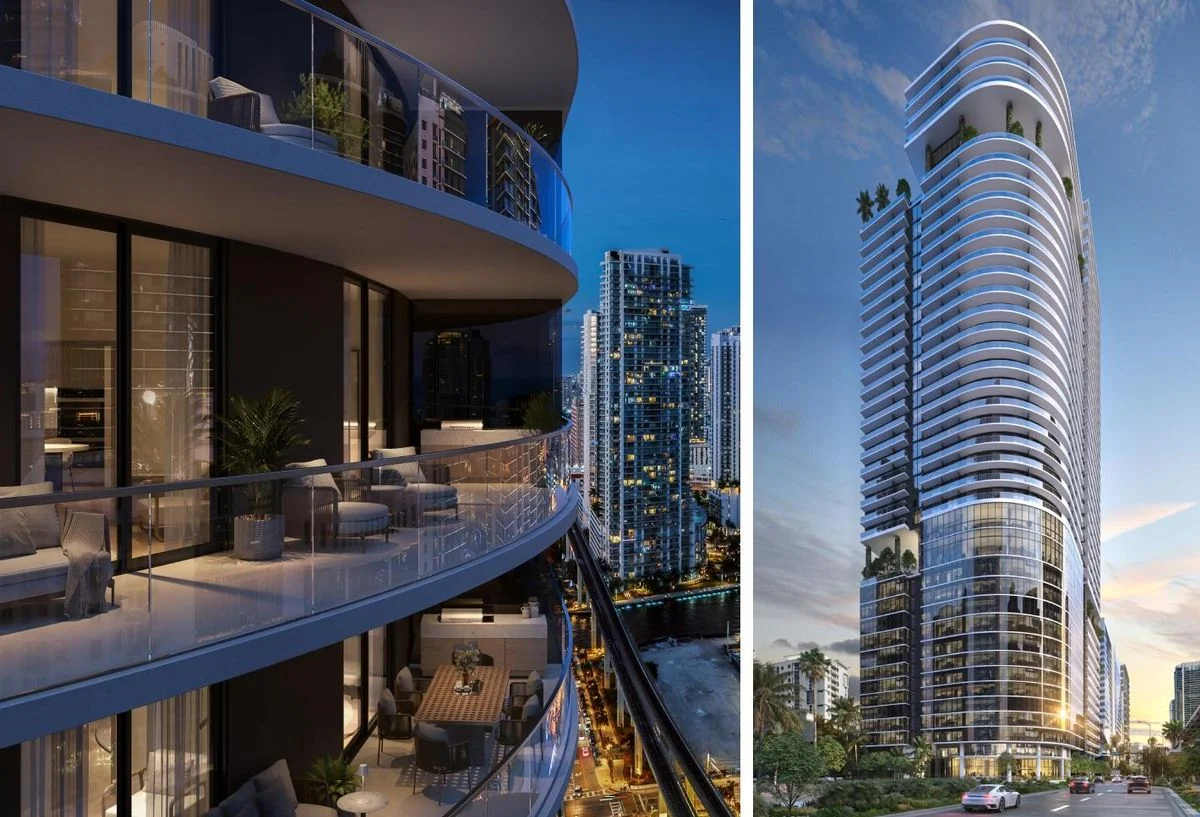
A developer has acquired a development site in Miami’s Brickell district for $11 million and plans to build a new condominium project, signaling continued confidence in South Florida’s urban residential market despite elevated borrowing costs and shifting demand patterns across the broader housing sector.
Brickell remains one of the most active high-density residential corridors in Miami, attracting both domestic relocations and international buyers seeking proximity to financial institutions, transit infrastructure, and mixed-use amenities. Analysts say land acquisitions in the district typically reflect expectations of sustained demand for vertical residential development even during slower transaction cycles.
Condominium construction has become a central component of Miami’s housing expansion strategy as land availability for large-scale single-family development remains limited in the urban core. Developers often prioritize condo projects in areas such as Brickell because higher-density construction supports stronger land utilization while meeting demand from professionals, investors, and seasonal residents.
The $11 million acquisition also reflects broader migration-driven demand patterns across South Florida. According to estimates from the U.S. Census Bureau, Florida continues ranking among the fastest-growing states nationally, reinforcing long-term housing demand across metro areas including Miami, Orlando, and Tampa.
Borrowing costs remain a key factor shaping condominium project timelines nationwide. Mortgage rates tracked by Freddie Mac have remained near the mid-6% range in recent months, influencing buyer affordability in entry-level segments but having less impact on luxury and investor-driven condo purchases, which often rely more heavily on cash transactions or international capital.
Inflation trends reported by the Bureau of Labor Statistics continue affecting construction economics as well. Materials pricing volatility and labor shortages have contributed to estimated cost increases of roughly 5% to 10% across many residential development categories in recent years. Analysts say developers acquiring sites under current conditions typically anticipate long-term appreciation supporting project feasibility.
Policy expectations shaped by the Federal Reserve also influence financing strategies for vertical residential construction. Stabilizing borrowing conditions could support additional condominium launches across urban markets such as Brickell where population growth and employment expansion continue supporting absorption potential.
For buyers, new condominium developments in Brickell often provide access to walkable neighborhoods with transit connectivity and proximity to employment centers in finance, technology, and professional services sectors. Industry observers say these lifestyle-driven advantages continue attracting younger professionals and relocating households seeking urban housing options in South Florida.
Investors are also monitoring the site acquisition closely because Brickell has become one of the most active markets for international condominium investment in the United States. Historically, pre-construction condo projects in the district attract buyers seeking long-term appreciation and rental flexibility tied to Miami’s expanding global business presence.
Developers across Miami continue targeting parcels located near transit corridors and mixed-use districts as part of broader urban growth strategies. Projects positioned within these areas often benefit from shorter marketing timelines and stronger buyer interest compared with lower-density suburban alternatives.
Florida’s broader condominium pipeline remains closely tied to migration trends from higher-cost states and international markets. Analysts say continued land acquisitions in Brickell indicate confidence that demand for vertical housing in Miami’s financial district will remain stable through the remainder of 2026 and beyond.
For renters considering transitioning into ownership, condominium developments often serve as an entry point into urban housing markets where detached homes remain less accessible. Industry estimates suggest that even modest increases in condo inventory can help moderate price growth in supply-constrained neighborhoods over time.
Looking ahead, economists say the $11 million Brickell land purchase highlights continued developer interest in Miami’s high-density residential corridors. As population growth and investment activity remain strong across South Florida, additional condominium proposals are expected to follow in the district’s expanding skyline pipeline.