




Author: Asim Iftikhar



Florida remains one of the most closely watched housing markets in the U.S. and “Is 2026 a good time for home buyers in Florida?” is a fair question especially after several years of unusually rapid price growth, shifting mortgage rates, and rising ownership costs. There is no single nationwide “right time” to buy, and Florida is not one market. Conditions can differ sharply between metros (Orlando vs. Miami vs. Tampa), and even between neighborhoods in the same county. Still, credible public data can help explain what’s happening and why “good time” looks different depending on a household’s goals, budget, and…
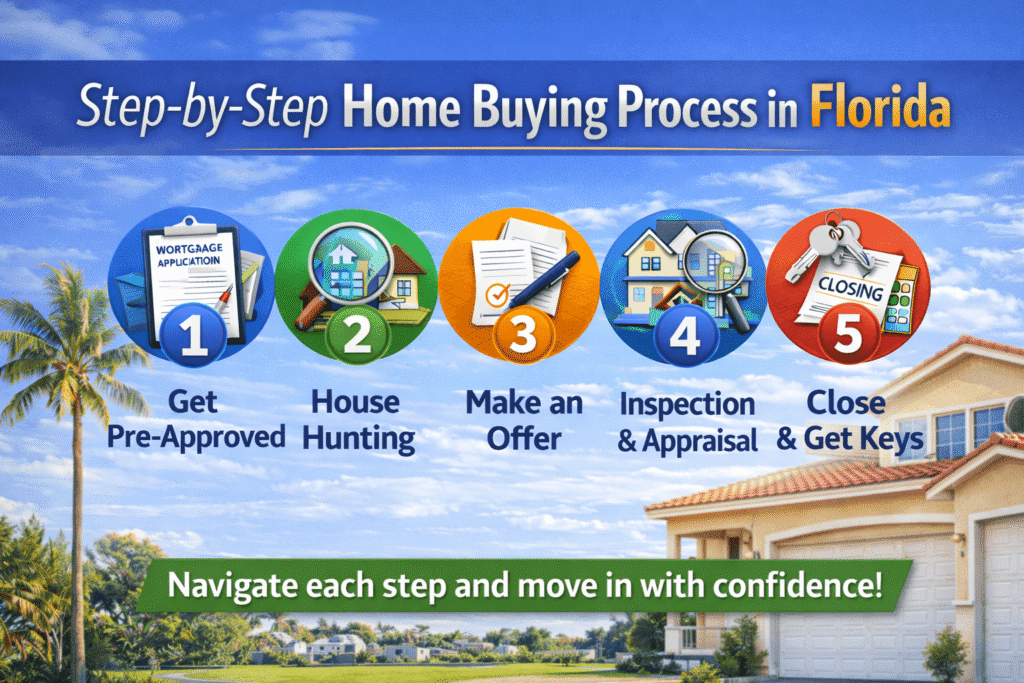
Buying a home in Florida follows the same broad U.S. steps (financing, contract, inspections, appraisal, title/closing), but the details that shape cost and risk often depend on Florida-specific factors—insurance pricing, property taxes and exemptions, HOA rules, flood/wind exposure, condo documentation, and local market competitiveness. For home buyers in Florida, understanding these state-specific considerations is essential to making informed decisions and managing both costs and risks effectively. This educational guide walks through the Florida homebuying process from planning to closing, with neutral, consumer-focused explanations and data context from public sources. It is not legal, financial, real estate, or mortgage advice, and…

Analyzing a rental property in Orlando is fundamentally about one question: what is the relationship between (1) realistic income, (2) realistic operating costs, and (3) the price you pay—after financing and risk? This guide explains a common U.S. framework used by investors, lenders, and appraisers to evaluate long-term rentals. It uses publicly available U.S. data for context (Census/ACS, HUD, and national housing indicators) and references widely used market tools (Zillow, Realtor.com, Redfin, Rentometer) to help you build a consistent, repeatable analysis. It is educational only and is not real estate, financial, or legal advice. Why “rental analysis” matters more than…
What Are HOA Fees and Why They Matter Homeowners association (HOA) fees are common across Florida, especially in planned communities, townhomes, and condominiums. For many home buyers purchasing real estate property in Florida, the HOA line item is the second “monthly payment” after the mortgage. For many owners, it’s also the expense most likely to change over time—sometimes meaningfully—because it’s tied to insurance costs, reserves, maintenance needs, and regulatory requirements. This educational guide explains what Florida HOA fees typically cover, why they vary by community and property type, and how they can affect the total cost of owning real estate…

Choosing between a condo and a single-family home in Orlando real estate market area is often less about “which is better” and more about tradeoffs: price, monthly carrying costs, maintenance responsibilities, insurance dynamics, resale flexibility, and how quickly comparable properties tend to move in your submarket. This educational guide compares condos (including townhomes/villas where commonly grouped in local reporting) versus single-family existing homes using local Orlando-area market snapshots for early February 2026, plus U.S. Census Bureau context on income and housing costs. The goal is to help readers understand the factors that commonly drive pricing and resale outcomes—without making personal…
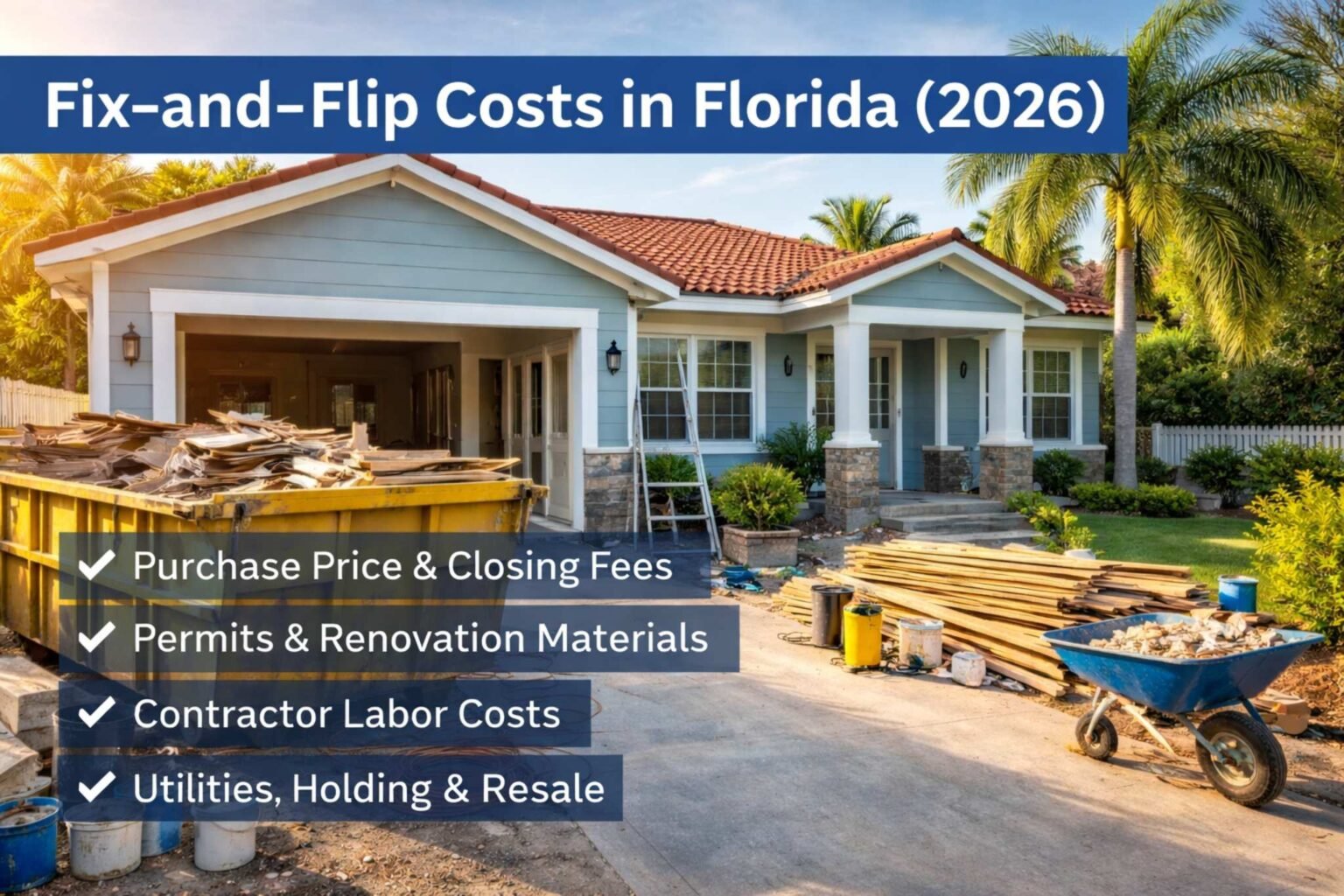
Fix-and-flip investing is often described as “buy low, renovate, sell high.” In real life, the outcome usually depends less on the headline purchase price and more on the total cost stack—the combined costs of acquisition, renovation, carrying/holding, resale, and compliance. Florida is a unique environment for flips because several line items can be meaningfully different from many other states, including insurance risk, storm hardening expectations, HOA/condo rules, and certain closing-cost taxes and fees. This educational guide breaks down the most common fix-and-flip cost categories in Florida, explains why they vary, and highlights reliable public sources for understanding the biggest variables.…

House flipping is commonly described as buying a property, improving it, and reselling it—typically within a shorter time horizon than long-term investing. In Florida, flipping is influenced by the same national drivers that shape most U.S. housing markets (inventory, interest rates, labor costs, insurance costs), plus Florida-specific factors such as hurricane risk, permitting rules, and the state’s contractor licensing framework. This guide is educational only. It explains how house flips typically work in Florida, what risks tend to appear most often, and what reliable U.S. data suggests about flipping outcomes. It does not recommend a strategy, guarantee profitability, or provide…

Short-term rentals (STRs)—often called “Airbnb rentals,” “vacation rentals,” or “transient rentals”—operate under layers of rules in Florida. In the Orlando area, that usually means: State of Florida rules (licensing and definitions) Local rules (zoning, business licensing, occupancy/safety, noise/parking, and enforcement) Tax rules (state sales tax + local tourist development taxes) Private rules (HOA, condo association, lease restrictions) Because Orlando is a major tourism market, STR compliance is not just “one law.” The key is understanding which jurisdiction your property is in (City of Orlando vs. unincorporated Orange County vs. a neighboring city like Kissimmee) and whether your rental fits Florida’s…

Rental yield is a simple idea with a lot of real-world complexity: it’s the relationship between what a property might rent for and what it costs to buy. When investing in property in Orlando, that relationship can look very different from one ZIP code to the next because prices, rent levels, HOA rules, property taxes, insurance costs, and tenant demand all vary locally. This guide is an educational overview of how rental yields are commonly estimated in the U.S. and how to interpret Orlando-area data in a responsible, compliance-safe way. It focuses on publicly available sources and does not provide…

Polk County sits in the geographic center of Florida, between the Tampa Bay region and Greater Orlando. That location has made it a long-term “spillover” market: when prices or supply tighten in nearby metros, demand often expands outward into more affordable counties with buildable land and expanding job bases. In 2026, Polk’s investment outlook—frequently highlighted in Florida real estate news—is shaped by the same big forces affecting the state overall: population growth, insurance and HOA cost pressure, interest rates, and a post-pandemic shift in where people live and work. However, Polk’s local fundamentals matter just as much as the broader…