



Author: Asim Iftikhar

 Asim Iftikhar
Asim Iftikhar is a Real Estate Contributor at ACT Global Media, providing educational content on U.S. residential real estate processes, market structure, and consumer awareness. He is a licensed Florida Real Estate Sales Associate (License No. SL3633555) and a commissioned Florida Notary Public (Commission No. HH 709161). This content is for informational purposes only and does not constitute legal, financial, or investment advice. Readers should consult licensed professionals for guidance specific to their situation.

Property taxes are one of the most significant ongoing costs of owning real estate in the United States, yet they are often among the least understood. Unlike a fixed-rate mortgage payment, property taxes can change regularly due to assessment updates, local government budgets, and policy decisions made at the state or county level. According to the U.S. Census Bureau, property taxes are the primary revenue source for local governments nationwide and play a central role in funding schools, infrastructure, emergency services, and municipal operations. Because property taxes vary widely by location, two similar homes with similar purchase prices can carry…
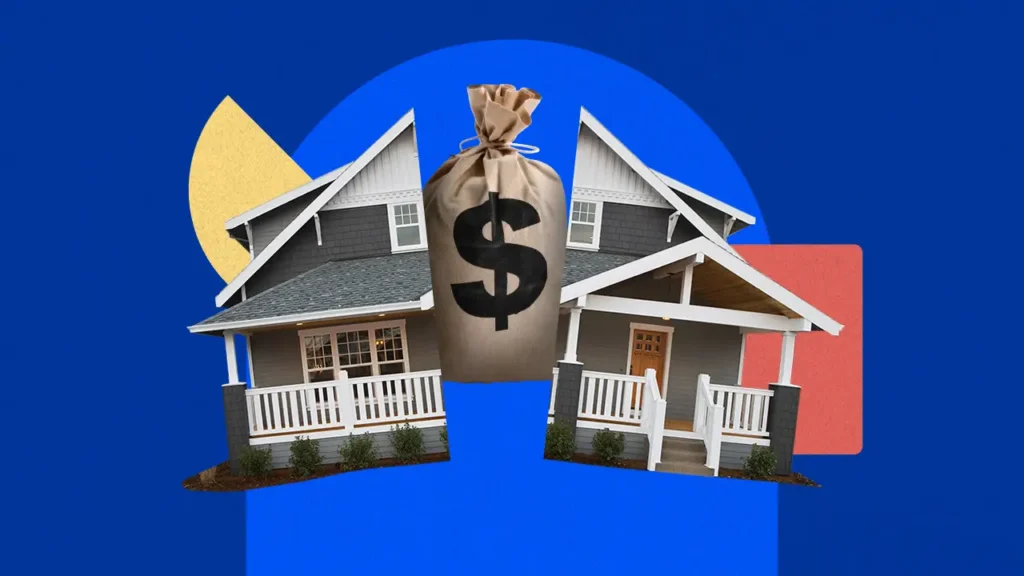
In residential real estate, it is common to see two homes that appear nearly identical same size, same floor plan, same neighborhood—sell for noticeably different prices. These differences can surprise buyers, sellers, and even casual observers, leading to assumptions that something “went wrong” with one transaction. U.S. housing data and transaction analysis show that price differences between similar homes are usually driven by a combination of timing, micro-location, condition, buyer behavior, and market context—not randomness or unfairness. Even small variations can meaningfully influence final sale prices when filtered through buyer psychology, financing constraints, and comparable-sale frameworks. This article provides a…

Home value is often discussed as if it were a single number determined at the time of sale. In reality, a home’s value in the United States is the result of multiple overlapping forces, some within a homeowner’s influence and many completely outside of it. According to data from the Federal Housing Finance Agency (FHFA), U.S. home prices increased more than 45% nationally between 2019 and 2024, yet that growth was not evenly distributed. Some markets appreciated far more, while others lagged—demonstrating that value is driven by market dynamics, not just property features. This article provides an advanced, data-based, U.S.-specific…

The Winter Garden real estate market in 2026 continues to attract buyers and investors looking for strong growth and long-term value. Understanding local trends, pricing, and demand is crucial for making smart investment decisions. For those starting their search, learning how to identify the best areas to invest in and near Orlando can provide valuable insights before diving into the Winter Garden market. Household housing-cost reality (ACS/Census baseline) Market pricing + liquidity signals (home value indices, days-to-pending, rent indices) Risk-and-opportunity modeling (price-to-rent, yield bands, scenario tests) This article is written to be publisher-grade and evergreen, with explicit source attribution and…
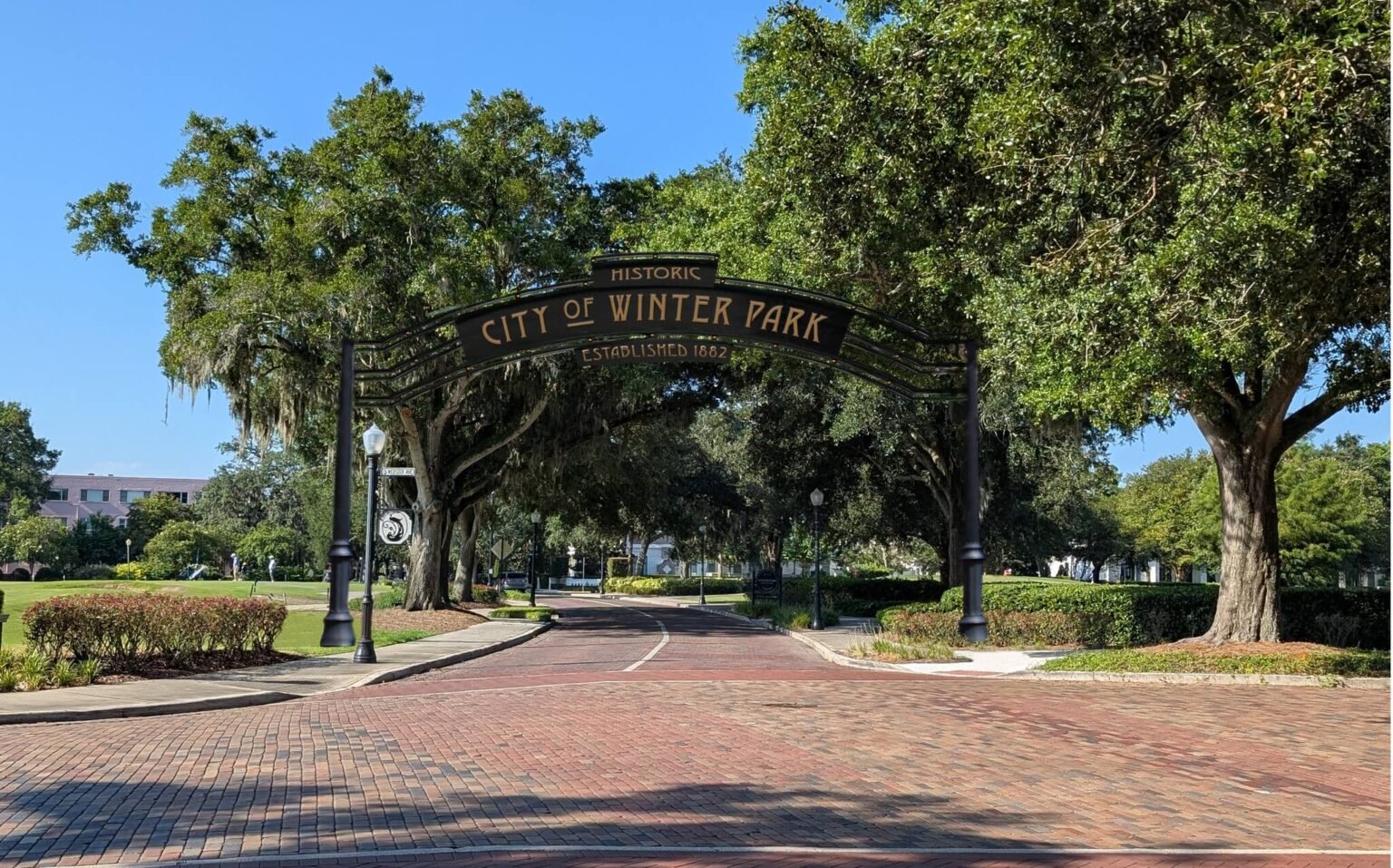
Winter Park is often described as one of Central Florida’s most established, amenity-rich cities—known for tree-lined streets, scenic lakes, public parks, and a walkable downtown near Park Avenue. But when searching for the best family neighborhoods in Winter Park, the definition of “best” depends on your priorities: commute time, yard size, quiet streets, walkability, parks, or budget. For a broader view of the surrounding real estate market, including nearby Winter Garden, check out our Winter Garden real estate market overview 2026. This guide focuses on place-based factors such as housing stock, parks, mobility, lot sizes, and affordability—keeping it fair-housing compliant…

Fix-and-flip investing looks simple on social media: “Buy low, renovate, sell high.” In reality, profitable flips are closer to project finance than “real estate shopping.” You are underwriting (1) the property, (2) the construction plan, (3) the resale buyer pool, and (4) time risk—while absorbing Florida-specific cost volatility (insurance, permits, trades, HOA rules in some communities). For a deeper dive into typical fix-and-flip costs in Florida, Click here to check out our detailed guide. A useful way to ground the analysis is to remember how expensive ownership already is in Florida. The U.S. Census Bureau’s ACS-based QuickFacts for Florida reports…

Off-market property—homes not broadly marketed on MLS or major real estate portals—remains one of the most effective ways for investors and value-driven buyers to find deals in Central Florida. The main advantage is simple: less competition can often mean better pricing and more flexible purchase terms. Before diving into deal sourcing, it’s also important to work with reliable financing options—check out our guide on the best mortgage lenders in Orlando to ensure your offers are fully funded and competitive. In 2026, finding off-market property in Orlando is less about secret strategies and more about building a consistent, ethical, and compliant…

BRRRR (Buy, Rehab, Rent, Refinance, Repeat) is one of the most talked-about real estate investing frameworks because it attempts to recycle capital: you buy at a discount, improve the property, stabilize it with a tenant, then refinance to (ideally) recover some or most of your invested cash and repeat. Florida’s baseline housing costs are not “cheap,” and that matters because BRRRR relies on a spread between all-in cost and stabilized value. Before you dive into strategies like BRRRR, it helps to understand key insights about the Florida market and when buying property in Florida and buyers Should know in 2026…
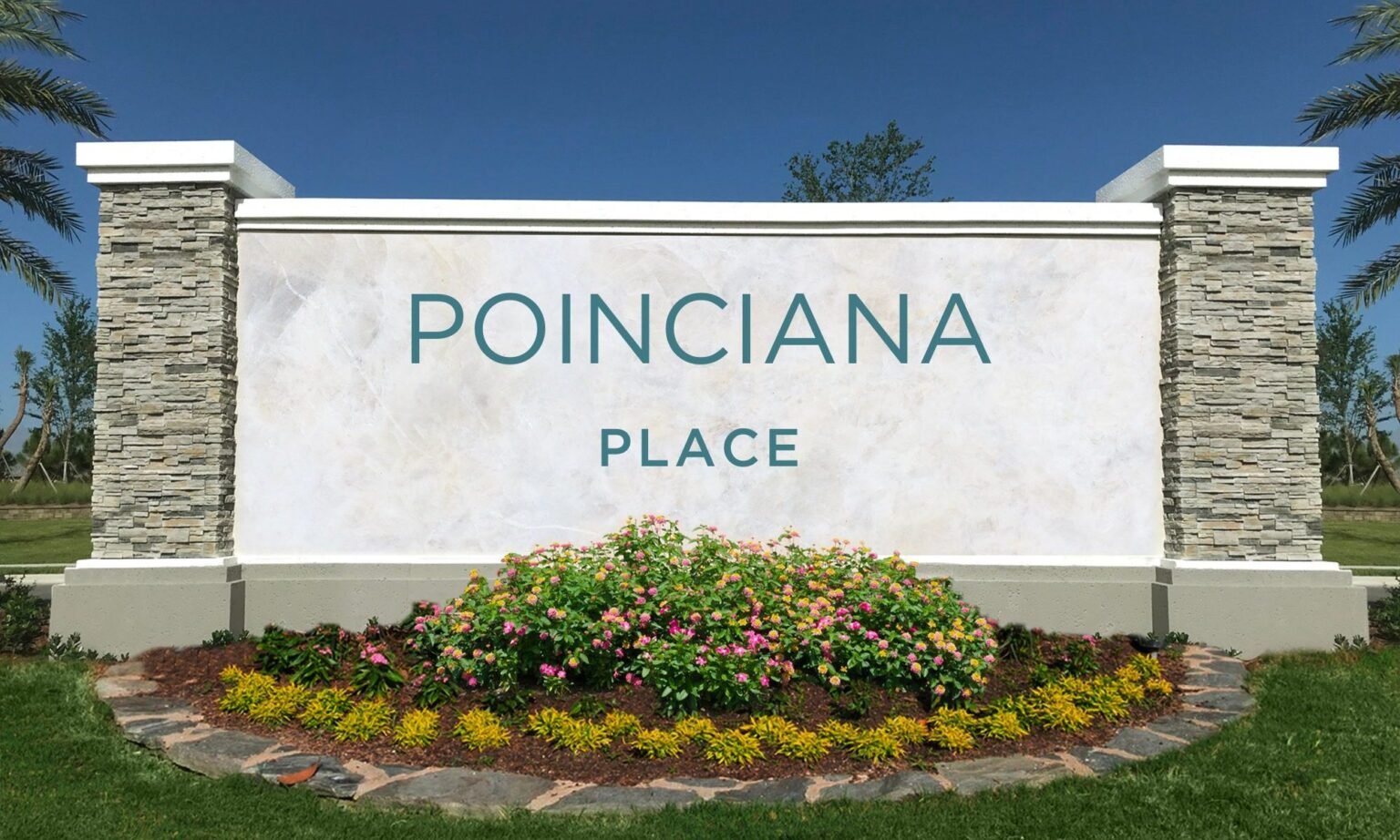
Poinciana (primarily ZIP codes 34759 and 34758) has long been on Central Florida investors’ radar because it often sits in a more affordable price band than many Orlando-area submarkets, while still benefiting from the broader Orlando–Kissimmee region’s household growth and rental demand. But in 2026, “Is it still a good investment area?” can’t be answered with a blanket yes/no. The right way to analyze Poinciana is to combine: Government baseline housing metrics (income, home values, owner costs, rent) Market pricing + liquidity indicators (home value indices, days to pending) Yield math, stress-tested for realistic expenses (HOA/insurance/maintenance/vacancy) This article provides a…

Kissimmee has been a high-attention market for years because it sits inside the broader Orlando–Kissimmee metro engine: tourism, logistics, service employment, and continued household formation across Central Florida. But when it comes to buying property in Kissimmee, asking whether it is still a good investment area in 2026 is not a simple yes-or-no question. In this market, outcomes vary dramatically by ZIP code, property type, HOA rules, insurance profile, and exit strategy. A compliant, investor-grade way to answer the question is to evaluate Kissimmee on three measurable pillars: Affordability and rent pressure (demand support) Liquidity (how quickly inventory converts into…