



Author: Asim Iftikhar

 Asim Iftikhar
Asim Iftikhar is a Real Estate Contributor at ACT Global Media, providing educational content on U.S. residential real estate processes, market structure, and consumer awareness. He is a licensed Florida Real Estate Sales Associate (License No. SL3633555) and a commissioned Florida Notary Public (Commission No. HH 709161). This content is for informational purposes only and does not constitute legal, financial, or investment advice. Readers should consult licensed professionals for guidance specific to their situation.
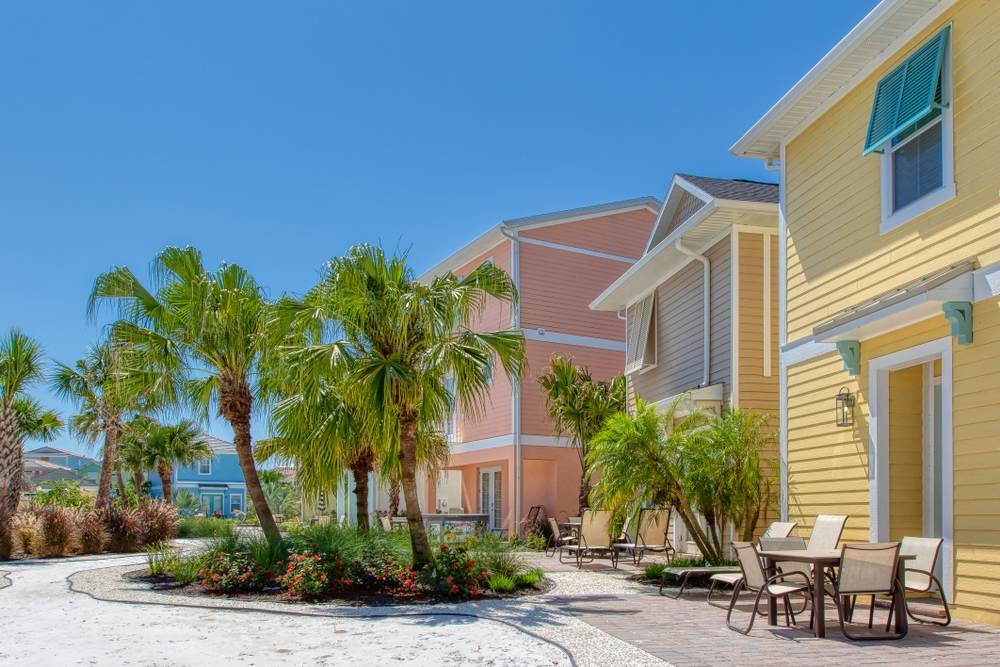
Orlando is one of the most recognizable housing markets in Florida, but “Orlando prices” are not the only option within a reasonable commute. In Central Florida, affordability often comes down to a handful of measurable factors: typical home prices, household incomes, property taxes, insurance costs, commuting patterns, and how quickly listings move (which can change negotiating dynamics). This educational guide explains how to identify “more affordable” cities near Orlando using public and widely used market datasets. It does not recommend any specific purchase, neighborhood, or investment and it does not provide personalized financial or real estate advice. How this guide…

Orlando-area buyers in 2026 are making decisions in a market shaped by three forces at once: (1) affordability pressure from elevated prices and borrowing costs, (2) uneven inventory across neighborhoods and price points, and (3) a meaningful pipeline of new construction in parts of Central Florida. Choosing new construction versus an existing (resale) home property in Orlando isn’t just a preference decision—it often changes your total monthly housing cost, repair risk, timeline, negotiation leverage, and long-term resale dynamics. This educational guide explains how the decision typically works in the Orlando region, using publicly available market and housing indicators. It focuses…
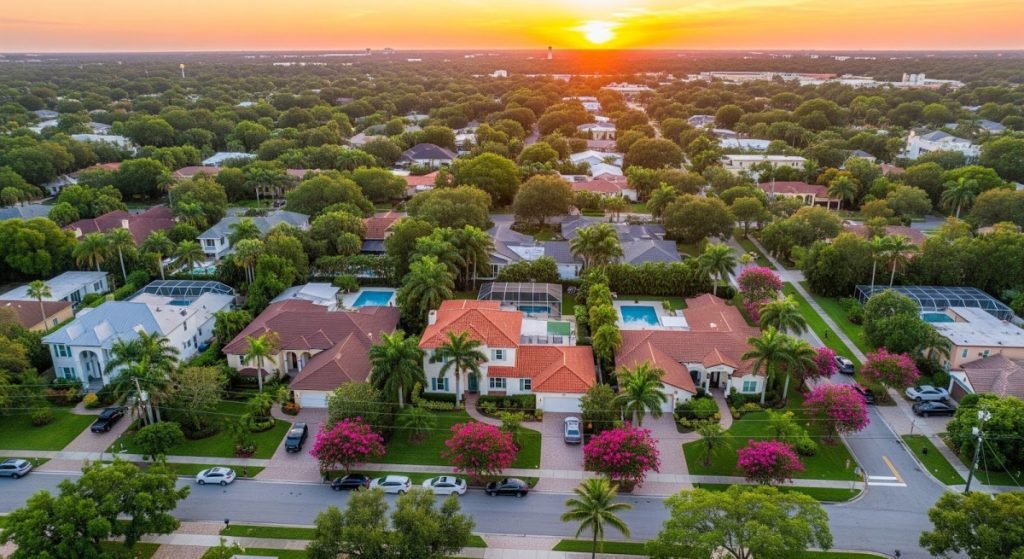
Property in Orlando: How to Identify Investable Submarkets “Best” depends on your strategy rental cash flow vs. appreciation potential vs. renovation spreads vs. short-term demand. In U.S. real estate, the same metro can contain micro-markets that behave very differently—even a few miles apart—because schools, job centers, supply constraints, zoning, insurance exposure, and commute patterns change the buyer/renter pool and the resale ceiling. This guide is written in an educational, non-solicitation format. It does not recommend specific property in Orlando or guarantee outcomes. Instead, it shows how to identify investable submarkets near Orlando using objective indicators and widely used public and…

Property taxes are one of the biggest “quiet costs” of homeownership in Orlando, and understanding property in Orlando costs is essential for budgeting. They are not part of your mortgage, but are often paid through monthly escrow, so increases can feel like a sudden payment jump even when your loan rate stays the same. In simple terms, your bill is based on the assessed value of your home (what the county believes your property is worth for tax purposes), minus any exemptions, multiplied by local tax rates. Your TRIM notice shows proposed values, tax rates, and who is charging what,…
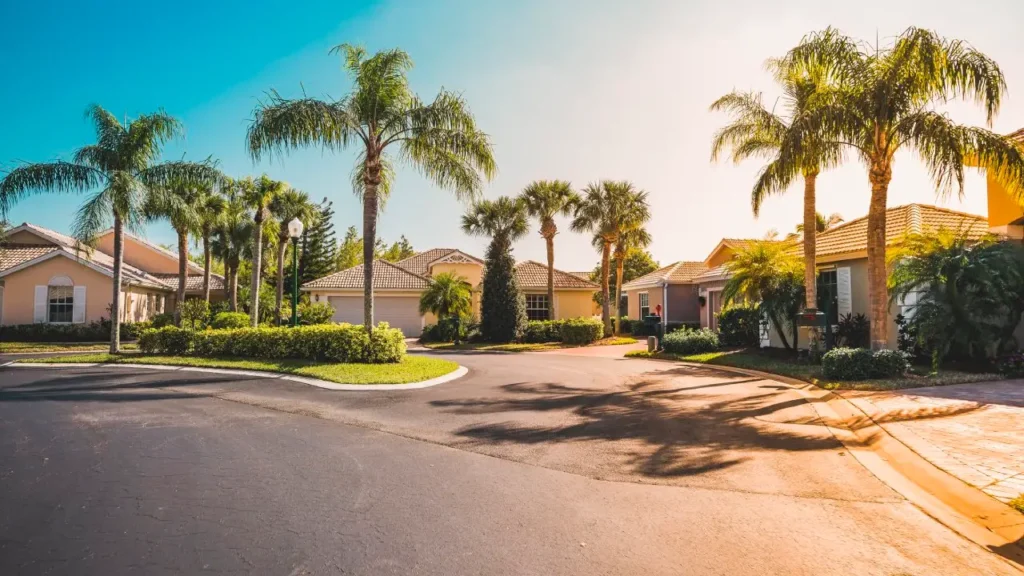
Florida Real Estate Property Closing Costs Overview Closing costs are the fees and taxes paid to finalize a real estate property in Florida transaction. They can be significant because the total includes a mix of (1) lender/loan charges (if you finance), (2) title and settlement charges, (3) government recording and tax charges, and (4) prepaid items and escrow deposits, such as homeowners insurance and property taxes, all of which together determine the final amount you pay at closing. This guide explains the most common Florida closing cost line-items, how they’re calculated, who typically pays what (customs vary by county and…
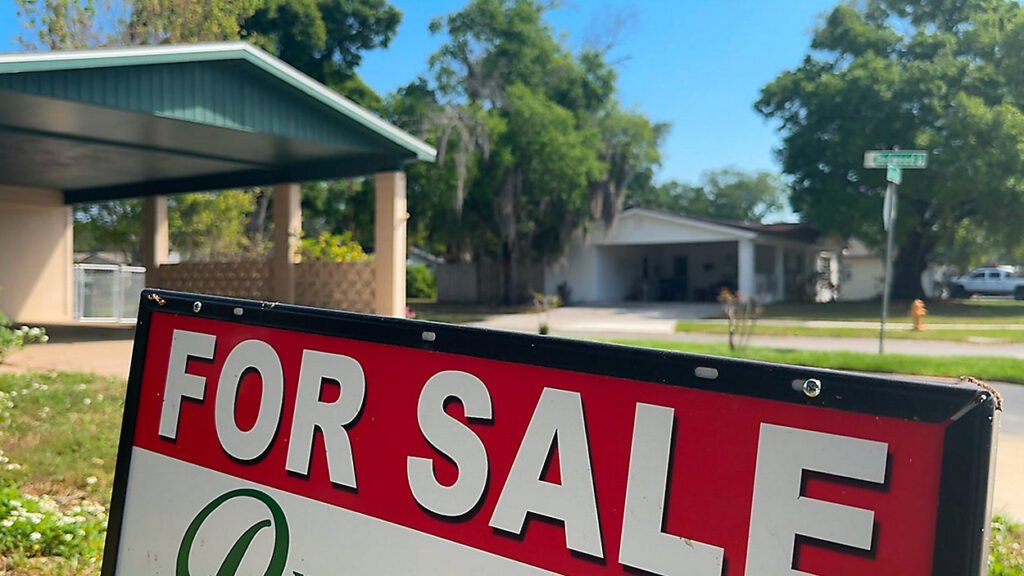
Orlando’s housing market entering February 2026 looks more balanced than the peak-pandemic years, with buyer leverage improving compared with ultra-tight conditions, but pricing still supported by long-term demand drivers (population growth, job base, limited “move-up” listings). Across widely cited market trackers, the story is consistent: prices in the Orlando housing market are relatively stable, days on market are longer than the frenzy years, and inventory/choices are meaningfully better, which typically reduces bidding wars and increases concessions. This update uses the most recent publicly available local snapshot data (late January / early February releases) and national context indicators. 1) Where prices…
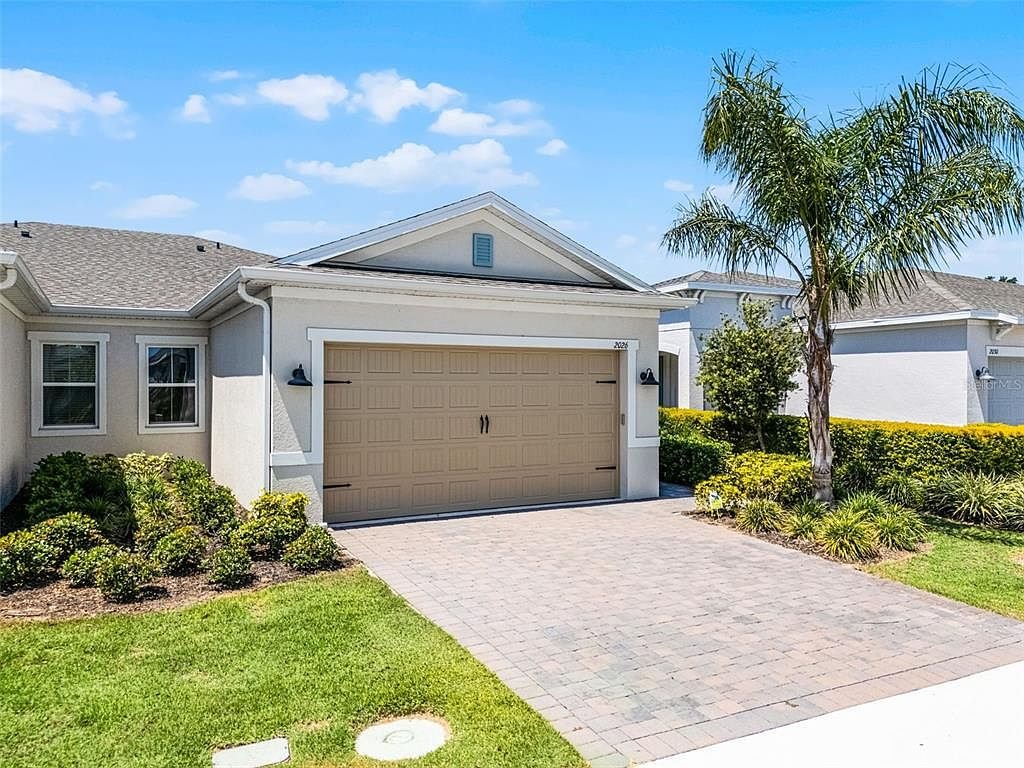
Kissimmee (Osceola County), Florida sits inside the larger Orlando–Kissimmee–Sanford metro—one of the fastest-growing and most closely watched housing markets in the U.S. Because Kissimmee includes multiple price bands (from workforce housing to short-term-rental-adjacent communities), the “headline” price depends on whether you’re looking at the city overall, a specific ZIP code, or a specific neighborhood. This February 2026 update is written in a publisher-grade, educational format using publicly available, reputable data sources and standard market metrics. It is not a forecast and not a recommendation to buy or sell. Market numbers also update on different schedules, so the cleanest way to…

Choosing between renting and buying Property in Orlando isn’t just about “monthly payment vs monthly rent.” In 2026, the decision is shaped by a few measurable forces: home prices, rent levels, mortgage-rate conditions, property taxes and insurance, and how long you plan to stay put. Orlando is also a market where days on market and recent price movement can affect negotiating leverage and the true cost of ownership. This article is an educational overview that uses publicly available U.S. data and widely used housing concepts. It does not provide individualized real estate, mortgage, legal, or financial advice. Orlando in 2026:…

Introduction Buying a home is one of the largest financial commitments most U.S. households will ever make. While the process is often framed as a milestone, public data shows that many buyers—both first-time and repeat—encounter avoidable challenges related to budgeting, financing, timing, and long-term ownership costs. According to research from the Consumer Financial Protection Bureau (CFPB), homebuyers frequently underestimate total housing costs, misunderstand mortgage mechanics, or proceed without fully reviewing financial readiness. Similarly, surveys conducted by National Association of Realtors (NAR) indicate that many buyers report unexpected expenses and stress during the first year of ownership. This article provides a…
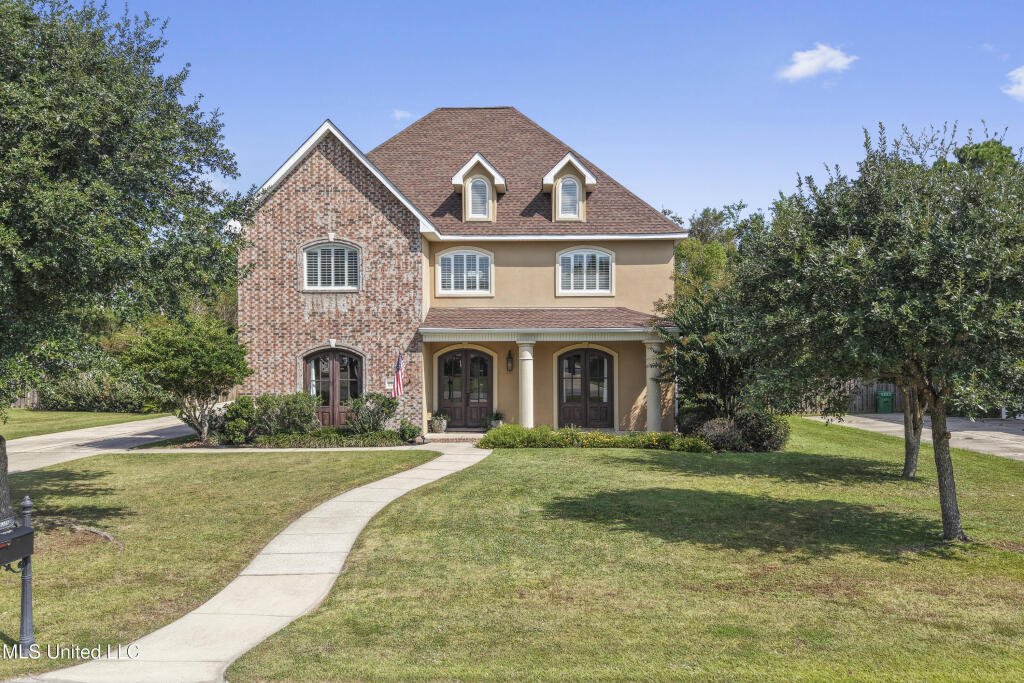
Introduction When U.S. households consider buying a home, one of the most important but often underexamined questions is how long they expect to stay. Length of ownership affects how upfront costs are spread over time, how exposed a household is to market fluctuations, and how much flexibility is retained for job changes or family needs. Housing economists, federal agencies, and real estate researchers consistently show that time horizon is a central variable in housing outcomes. According to data from the National Association of Realtors (NAR), the median tenure of homeownership in the United States is approximately 13 years, though this…