




Author: Asim Iftikhar



Choosing between renting and buying Property in Orlando isn’t just about “monthly payment vs monthly rent.” In 2026, the decision is shaped by a few measurable forces: home prices, rent levels, mortgage-rate conditions, property taxes and insurance, and how long you plan to stay put. Orlando is also a market where days on market and recent price movement can affect negotiating leverage and the true cost of ownership. This article is an educational overview that uses publicly available U.S. data and widely used housing concepts. It does not provide individualized real estate, mortgage, legal, or financial advice. Orlando in 2026:…
Introduction Buying a home is one of the largest financial commitments most U.S. households will ever make. While the process is often framed as a milestone, public data shows that many buyers—both first-time and repeat—encounter avoidable challenges related to budgeting, financing, timing, and long-term ownership costs. According to research from the Consumer Financial Protection Bureau (CFPB), homebuyers frequently underestimate total housing costs, misunderstand mortgage mechanics, or proceed without fully reviewing financial readiness. Similarly, surveys conducted by National Association of Realtors (NAR) indicate that many buyers report unexpected expenses and stress during the first year of ownership. This article provides a…

Introduction When U.S. households consider buying a home, one of the most important but often underexamined questions is how long they expect to stay. Length of ownership affects how upfront costs are spread over time, how exposed a household is to market fluctuations, and how much flexibility is retained for job changes or family needs. Housing economists, federal agencies, and real estate researchers consistently show that time horizon is a central variable in housing outcomes. According to data from the National Association of Realtors (NAR), the median tenure of homeownership in the United States is approximately 13 years, though this…

Introduction Buying a first home is a major financial and logistical milestone for U.S. households. According to the National Association of Realtors (NAR), first-time buyers typically represent 30–35% of annual home purchases, though their share fluctuates with mortgage rates, home prices, and economic conditions. First-time buyers also tend to be younger, have lower savings, and rely more heavily on mortgage financing compared to repeat buyers. Public research from the Consumer Financial Protection Bureau (CFPB) shows that many first-time buyers experience stress and confusion during the process due to unfamiliar terminology, multiple deadlines, and significant upfront costs. As a result, education…
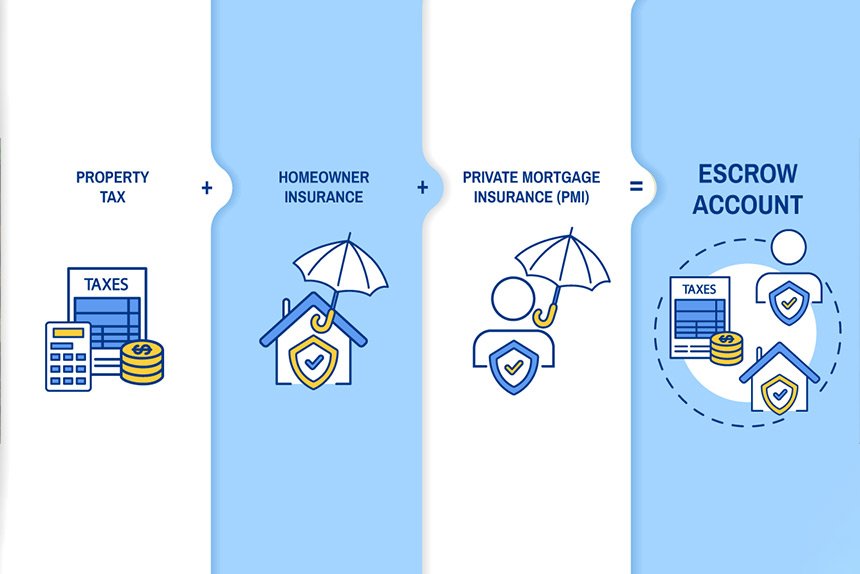
Introduction Many U.S. homeowners are surprised to see their monthly mortgage payment change—even when they have a fixed interest rate. While fixed-rate mortgages lock in principal and interest, escrowed costs such as property taxes and homeowners insurance can fluctuate over time, causing payment adjustments. According to consumer research published by the Consumer Financial Protection Bureau (CFPB), escrow-related changes are one of the most common sources of confusion and payment shock for homeowners, particularly in the first few years after purchase. These changes are not discretionary; they are governed by federal servicing rules and local tax and insurance realities. This article…

Introduction When U.S. households evaluate whether they can afford to buy a home, the mortgage payment often becomes the primary focus. While principal and interest are central components of housing cost, they represent only part of the financial picture of homeownership. Public data consistently shows that non-mortgage costs materially affect affordability, cash flow, and long-term financial stability. According to the Bureau of Labor Statistics (BLS) Consumer Expenditure Survey, housing-related expenses account for roughly 32–34% of total household spending, but mortgage principal and interest alone do not capture taxes, insurance, maintenance, utilities, or periodic capital repairs. Similarly, research from the Consumer…
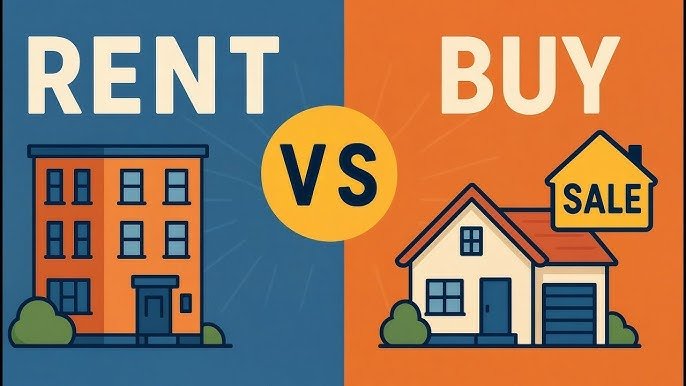
Introduction The decision to rent or buy a home is one of the most consequential housing choices U.S. households make. While popular narratives often frame homeownership as a financial milestone, public data shows that the rent-versus-buy decision depends heavily on time horizon, location, income stability, and total housing costs, not just monthly payments. According to the U.S. Census Bureau, approximately 35% of U.S. households rent their homes, while about 65% own. These proportions have remained relatively stable over the past decade, reflecting that renting and buying both play durable roles in the U.S. housing system. This article provides a neutral,…

Introduction One of the most common questions U.S. homebuyers ask is: “How much house can I really afford?” The answer is often assumed to be the maximum amount a lender is willing to approve. However, public research consistently shows that loan qualification and long-term affordability are not the same concept. According to housing and consumer finance research published by the Consumer Financial Protection Bureau (CFPB) and the Federal Reserve, many households experience financial stress not at loan approval, but after purchase, when ongoing housing costs interact with taxes, insurance, maintenance, and non-housing expenses. This article provides a neutral, educational, U.S.-specific,…

Introduction How U.S. households track money has evolved significantly over the past two decades. Where paper ledgers and basic spreadsheets once dominated, many consumers now rely on digital budgeting tools that automatically aggregate transactions from banks and credit cards. Yet spreadsheets remain widely used, particularly by households seeking flexibility, transparency, or offline control. Public data shows that budgeting tools are not merely convenience products—they reflect broader shifts in how consumers interact with financial data. According to the Federal Reserve, the majority of U.S. adults use online or mobile banking, and a growing share manage finances digitally. At the same time,…

Introduction Down payments are one of the most discussed—and misunderstood—elements of the U.S. homebuying process. Popular narratives often suggest that buyers must put down 20% to purchase a home, but public data shows that actual down payment amounts are often much lower, particularly for first-time buyers. According to research published by the National Association of Realtors (NAR), the median down payment for first-time homebuyers is approximately 6–7%, while repeat buyers typically put down around 15–18%. These figures vary significantly by household income, market conditions, loan programs, and regional price levels. This article provides a neutral, educational, U.S.-specific overview of down…