




Author: Asim Iftikhar

 Asim Iftikhar
Asim Iftikhar is a Real Estate Contributor at ACT Global Media, providing educational content on U.S. residential real estate processes, market structure, and consumer awareness. He is a licensed Florida Real Estate Sales Associate (License No. SL3633555) and a commissioned Florida Notary Public (Commission No. HH 709161). This content is for informational purposes only and does not constitute legal, financial, or investment advice. Readers should consult licensed professionals for guidance specific to their situation.

In U.S. residential real estate, the terms “market value” and “appraised value” are often used interchangeably—but they represent two different concepts, produced through two different processes, for two different purposes. This distinction matters because price disagreements, financing delays, and failed transactions frequently stem from confusion between the two. According to the Federal Housing Finance Agency (FHFA), appraisal-related issues are among the most common valuation-related friction points in mortgage-backed transactions, particularly during periods of rapid price movement. This article provides an advanced, U.S.-specific, data-backed explanation of how market value and appraised value are defined, calculated, and applied in practice without offering…

For many U.S. households, “the mortgage payment” becomes shorthand for the cost of owning a home. However, homeownership costs go far beyond the monthly mortgage payment. The full cost of homeownership typically includes property taxes, homeowners insurance, utilities, HOA or condo fees, maintenance and repairs, and periodic big-ticket replacements. When evaluating homeownership costs, buyers should also consider less obvious expenses such as permits, service contracts, and emergency reserves, all of which contribute to the true financial responsibility of owning a home. Market conditions can also affect the long-term cost and return on homeownership. Our analysis of how days on market…

Home renovations are often discussed as a way to “increase home value,” yet real-world data shows that not all improvements translate into higher resale prices. In the United States, renovation outcomes depend heavily on market conditions, location, buyer expectations, and the type of upgrade performed. For homeowners following real estate news in Florida, understanding which renovations add value and which do not is especially important, as local market trends and buyer demand can strongly influence the return on investment from home improvement projects. According to data from the National Association of Realtors, homeowners frequently overestimate how much value renovations add…
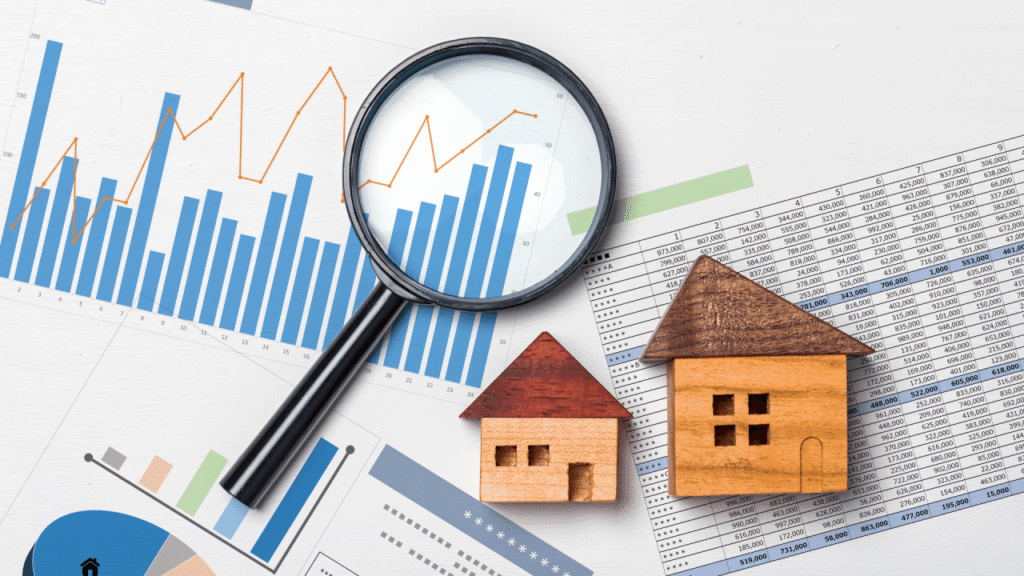
Days on Market (DOM) is one of the clearest indicators used to understand real estate trends in the U.S. housing market. Simply put, the longer a home stays on the market, the more time buyers have to compare options, negotiate, and wait for potential price changes. When DOM is short, it usually signals strong demand and higher competition among buyers. However, DOM does not directly determine a property’s price. Instead, it reflects how well a listing’s price, condition, location, and marketing align with current real estate trends and buyer demand. Factors like housing inventory, mortgage rates, and seasonal activity also…

Home appreciation is not “one market” and it is not evenly distributed. Two homes can look similar on paper (same size, same age, same general metro) yet grow in value at very different rates over time. The difference usually comes down to a small set of repeatable forces: local supply constraints, demand drivers (jobs, incomes, household formation), neighborhood and property-level fundamentals, and market-cycle timing. This article explains the major factors that can cause one home to appreciate faster than another in the United States, using publicly available data and widely cited market indicators. It is written for education and general…

Property location is one of the strongest long-run drivers of resale value in U.S. residential real estate because location influences demand, daily utility, risk exposure, and future change. Unlike a kitchen remodel or a new roof, you generally can’t “fix” location after closing. That’s why two homes with similar square footage and finishes can sell for very different prices. This educational guide explains how location affects resale value in the U.S., using publicly available government and industry research, with neutral, fair-housing–safe language. It does not provide real estate, legal, tax, insurance, or investment advice. Location is one of the most…
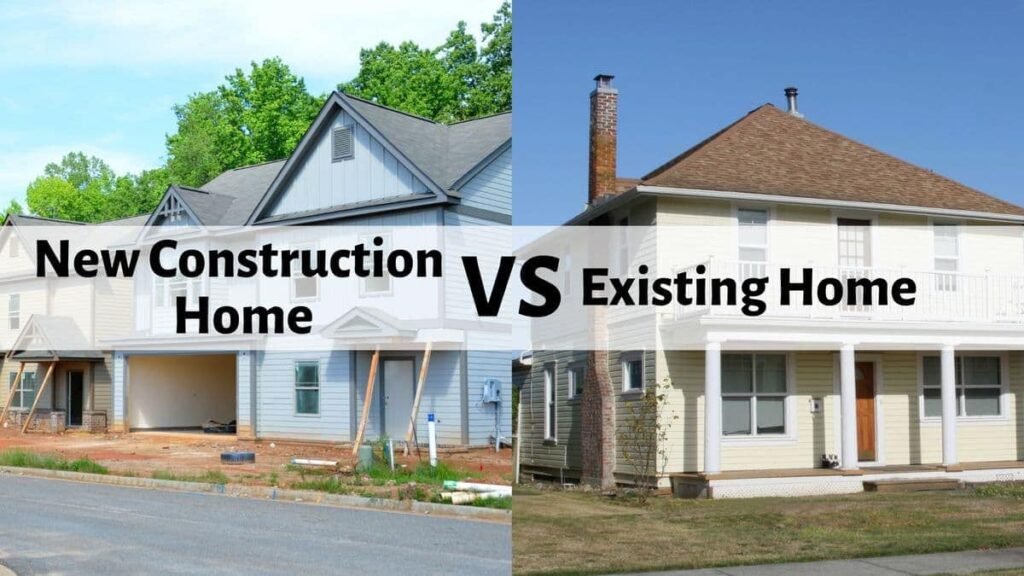
When deciding whether to buy a new construction home or an existing home, U.S. buyers often focus on simple differences such as “new vs old” or “modern vs established.” However, the real distinction goes far beyond appearance. The decision affects purchase price, financing flexibility, maintenance costs, property taxes, and long-term affordability. According to recent real estate news reports and data from the U.S. Census Bureau, newly built homes accounted for roughly 14% of all U.S. home sales in 2024, while 86% of buyers purchased existing homes. Despite the smaller share of transactions, new construction homes play a major role in…

Choosing between a condominium, townhouse, or single-family home is one of the most consequential decisions U.S. homebuyers make. While purchase price often dominates early discussions, the type of property you own can have a lasting impact on monthly expenses, maintenance responsibility, financing options, resale demand, and long-term ownership costs. For a closer look at how condos and single-family homes compare in a specific market, see our analysis of condo vs single-family homes in Orlando. According to data from the National Association of Realtors, housing preferences vary significantly by life stage, income, location, and household size. However, many buyers underestimate how…

Homeowners Association (HOA) fees are one of the most common—and often misunderstood—ongoing costs of homeownership in the United States. Many homebuyers focus mainly on the purchase price, mortgage rate, and down payment, but HOA fees represent a recurring financial obligation that can significantly affect affordability, monthly expenses, and long-term ownership costs. Click the link for complete detail about how HOA Fees Impact the Value of Property in Orlando. According to the U.S. Census Bureau, more than 82 million Americans live in communities governed by Homeowners Associations, representing about 27% of the U.S. housing market. HOA-managed housing is particularly common in…

Property taxes are a key factor in the total cost of owning a home in the U.S., yet many buyers underestimate their impact. Understanding assessments, appeals, and why property taxes increase is essential for budgeting effectively. Before diving into the details of property taxes, it’s helpful to first determine how much house you can really afford, as this ensures that monthly payments including taxes fit comfortably within your budget. For many homeowners, property taxes are one of the largest recurring housing expenses. According to data from the U.S. Census Bureau, the median annual property tax bill varies widely depending on…