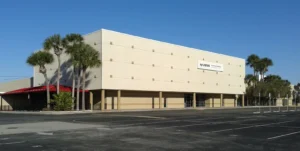



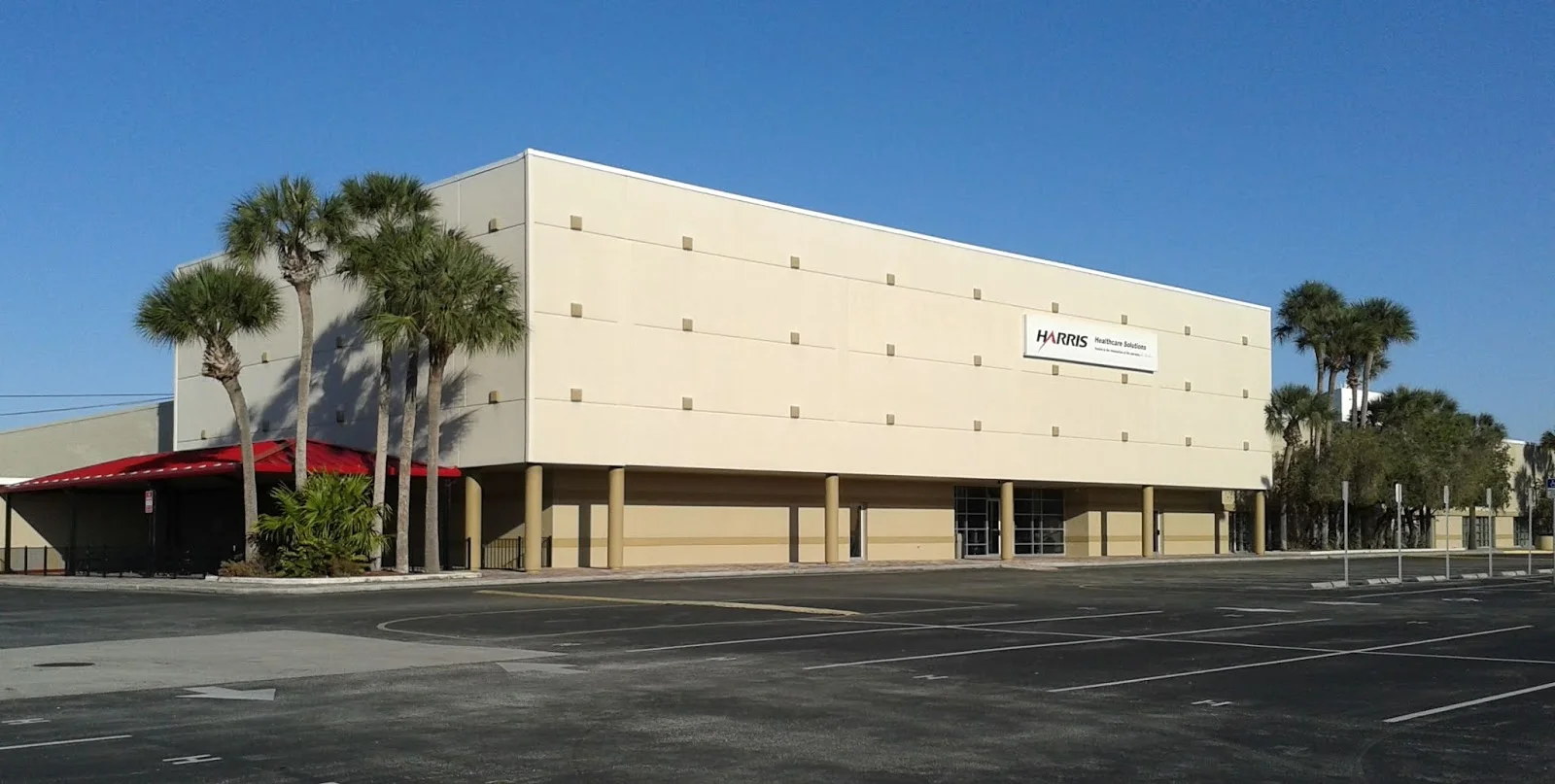
A neighborhood shopping center in Brevard County has sold for approximately $16 million after being held by its previous owner for more than 20 years, highlighting sustained investor appetite for stabilized retail properties across Florida’s growing Space Coast corridor. The transaction reflects continued interest in necessity-based retail centers as investors prioritize assets supported by long-term population growth and steady consumer demand in Central Florida markets.
The sale comes at a time when retail-sector fundamentals in suburban Florida remain relatively resilient compared with other commercial property types facing higher vacancy pressures nationwide. Analysts say neighborhood shopping centers anchored by service-oriented tenants or daily-needs retailers continue attracting buyers seeking predictable income streams despite elevated borrowing costs in the commercial real estate market.
Commercial brokerage data across Florida markets indicates investors increasingly favor stabilized retail assets rather than speculative development opportunities, particularly as financing conditions remain tighter than during the pandemic-era low-rate environment. Economists note that properties held long term—such as this Brevard County center—often benefit from established tenant mixes and consistent traffic patterns that support valuation stability during periods of economic uncertainty.
Brevard County itself has experienced steady demographic growth in recent years, supported by aerospace-sector employment expansion tied to activity around Kennedy Space Center and surrounding defense and technology industries. According to U.S. Census Bureau estimates, population growth across Florida’s Space Coast region has contributed to stronger retail demand compared with slower-growth regions nationally.
Macroeconomic conditions remain an important backdrop shaping retail investment activity. Federal Reserve policy tightening between 2022 and 2024 pushed borrowing costs significantly higher than pandemic-era levels, according to Federal Reserve data. Analysts say higher interest rates have reduced transaction volume across commercial real estate sectors, but necessity-based retail centers have generally remained among the more active segments.
Inflation trends have also influenced retail property valuations. Data from the Bureau of Labor Statistics shows consumer spending on essential goods has remained comparatively stable despite broader economic uncertainty, supporting tenant performance in grocery-adjacent and service-oriented retail centers. Economists note that such stability tends to reinforce investor confidence in neighborhood-scale shopping properties.
Construction-cost pressures have further strengthened the appeal of existing retail centers. Industry estimates suggest new retail development costs remain roughly 5% to 15% higher than pre-2020 levels in many U.S. markets, making acquisitions of stabilized assets more attractive than ground-up construction in some cases.
For residential real estate markets in Brevard County, the transaction signals continued confidence in the region’s long-term growth trajectory. Housing economists say proximity to established retail corridors remains an important factor influencing homebuyer decisions in suburban Florida markets. According to National Association of Realtors housing preference research, access to everyday services such as grocery stores and neighborhood shopping centers continues to rank among the most important location considerations for buyers.
Investors evaluating Central Florida opportunities are also closely watching retail transactions along the Space Coast as indicators of migration-driven demand. In many Florida markets, retail acquisition activity has historically preceded additional multifamily and single-family development pipelines as employment growth supports household formation.
Developers may view the $16 million transaction as a signal that stabilized retail properties remain viable anchors for mixed-use expansion in Brevard County. Historically, neighborhood shopping centers have served as catalysts for adjacent residential construction and infrastructure investment in suburban growth corridors across the Orlando–Space Coast region.
Mortgage-rate conditions remain a key factor shaping how retail investment momentum translates into housing-market activity. Recent Freddie Mac data shows mortgage rates have remained near the mid-6% range in recent months. Economists note that even a one-percentage-point increase in borrowing costs can raise monthly payments by approximately $150 to $300 on a $300,000 loan depending on loan structure, influencing how quickly buyers enter expanding suburban housing markets.
For renters, continued retail investment can signal strengthening neighborhood stability and long-term infrastructure confidence. Historically, areas experiencing sustained commercial reinvestment often attract additional multifamily development over time, though outcomes vary depending on zoning frameworks and construction timelines across individual Florida counties.
Looking ahead, the sale of the Brevard County shopping center after two decades of ownership may reflect broader confidence in Florida’s necessity-based retail sector as investors continue targeting income-producing properties in growth-oriented suburban corridors. Analysts say similar transactions could remain active across the Space Coast if population growth and consumer spending trends remain supportive in the months ahead.