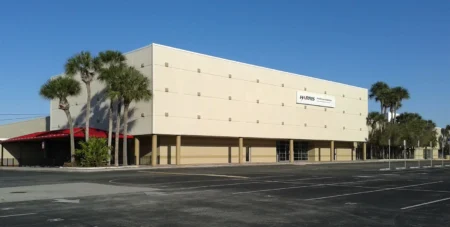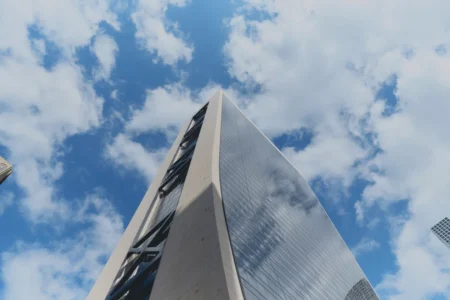



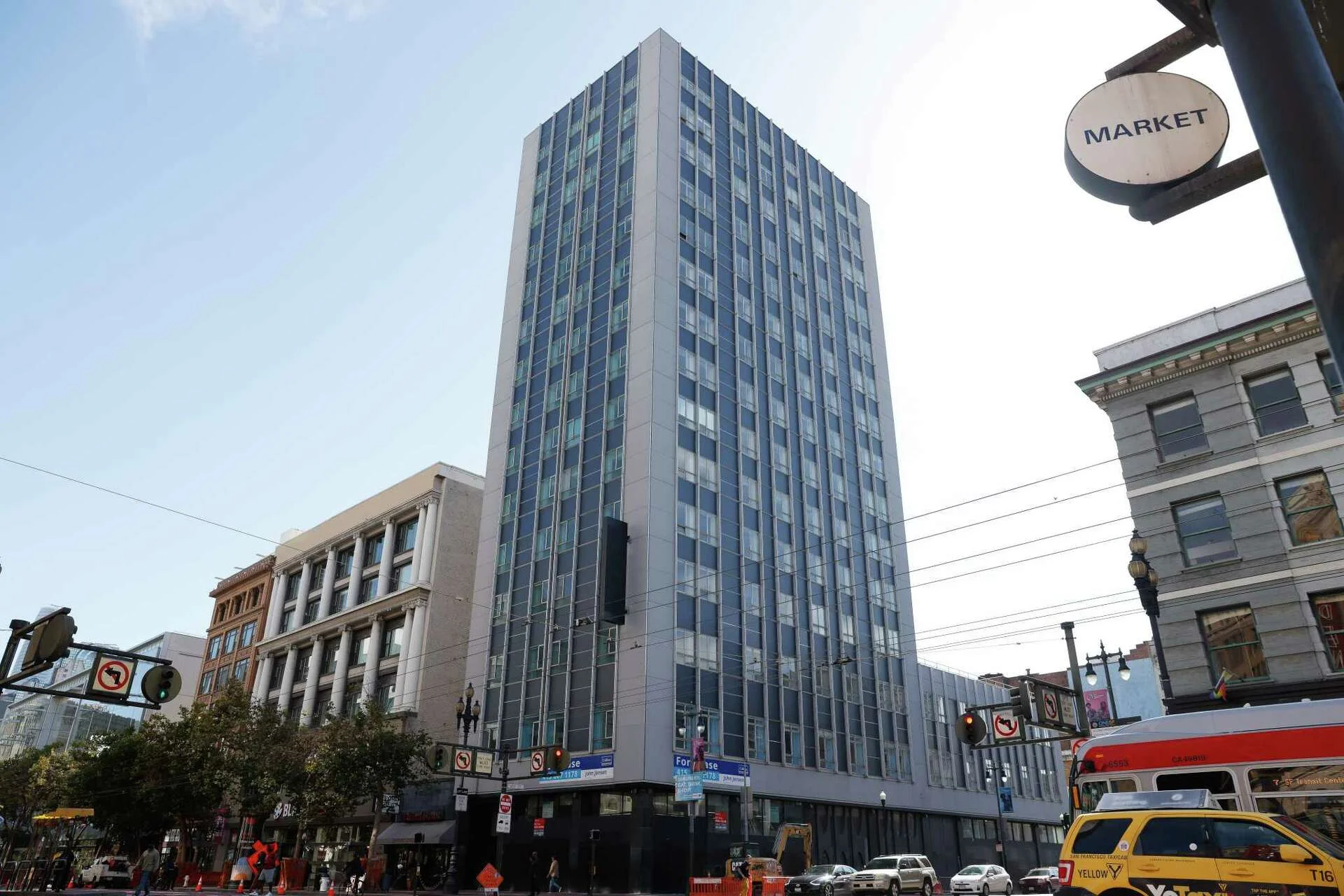
A growing wave of deeply discounted office-tower sales across major U.S. cities from Denver to Washington, D.C. is reshaping the commercial property landscape, with some buildings trading at prices up to 90% below their previous valuations as investors reposition aging assets for the future of real estate.
Developers and opportunistic investors are increasingly targeting distressed office properties that once commanded premium prices but have struggled with rising vacancy rates and reduced tenant demand following the pandemic shift toward hybrid work. The steep discounts reflect one of the largest repricing cycles in modern commercial real estate history.
Across multiple metropolitan areas, lenders are pushing landlords to restructure debt or sell properties outright as loan maturities approach. With borrowing costs higher than they were just a few years ago, many owners are choosing to exit investments rather than refinance under tougher financial conditions.
For real estate investors, however, the situation is creating a rare entry window into prime downtown locations at historically low acquisition costs.
In cities such as Denver and Washington, D.C., developers are purchasing office towers at significant discounts with plans to convert them into residential apartments, hotels, or mixed-use developments that better match today’s urban demand patterns.
These adaptive-reuse strategies are becoming one of the most important drivers of redevelopment activity across U.S. downtown cores.
Real estate analysts say older Class B and Class C office buildings are experiencing the steepest valuation declines because tenants increasingly prefer newer properties with flexible layouts, sustainability features, and stronger amenities. As a result, the market is undergoing what industry experts describe as a “flight to quality,” where premium office space remains relatively stable while aging inventory faces dramatic price corrections. The shift is already influencing residential real estate markets in several major cities.
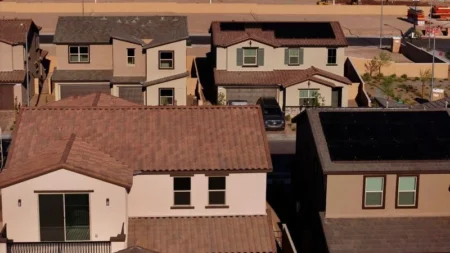
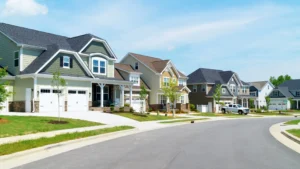
Office-to-residential conversion projects are accelerating nationwide as municipalities encourage redevelopment that increases housing supply and revitalizes downtown districts. Conversions allow developers to reuse centrally located buildings while avoiding the higher costs associated with acquiring new land in dense urban environments. This trend is particularly important at a time when many U.S. cities continue facing housing shortages and affordability challenges.
Lower acquisition prices make conversion projects financially viable in locations where they were previously considered too expensive to pursue. In some cases, discounted office towers are being repositioned into workforce housing, student housing, or mixed-income residential communities designed to support long-term urban population growth.
Retail real estate is also benefiting from these changes.
As more residential units move into downtown areas through conversion projects, street-level retail corridors are seeing renewed activity driven by increased pedestrian traffic and expanded neighborhood populations. Restaurants, service businesses, and entertainment venues typically follow residential growth, helping stabilize local economies that were previously dependent on daytime office workers.
At the same time, the correction is reshaping lending strategies across the commercial property sector.
Banks and institutional investors are increasingly cautious about financing traditional office developments but are showing greater interest in mixed-use and residential conversion projects that align with evolving urban demand patterns. This shift is expected to influence how cities plan redevelopment strategies over the next decade.
Municipal governments are also adjusting to the new valuation environment.
Because office buildings historically generated significant property-tax revenue, declining asset values are prompting cities to rethink downtown planning priorities. Many are now supporting zoning changes, tax incentives, and redevelopment partnerships designed to accelerate conversions and attract new residential development into business districts.
Despite the sharp valuation declines, analysts emphasize that the “fire-sale” environment does not signal a collapse of commercial real estate overall. Instead, it reflects a structural transition as the role of office space evolves in response to changing workplace habits and demographic trends.
For investors willing to take on redevelopment risk, the current market conditions represent one of the most significant repositioning opportunities in decades especially in cities where discounted acquisitions can support housing growth and mixed-use transformation strategies.
As distressed office sales continue from Denver to Washington, D.C., the ongoing repricing cycle is expected to remain one of the defining forces shaping the future of U.S. urban real estate throughout 2026 and beyond.