



Retail storefront turnover in Downtown Orlando is drawing increased attention from investors, residents, and business owners as changing consumer behavior, rising operating costs, and shifting urban development priorities reshape the city’s commercial core. Analysts say the transition reflects broader national trends affecting downtown retail districts while also highlighting Orlando’s evolving role as a mixed-use residential and entertainment center rather than a traditional office-driven business hub.
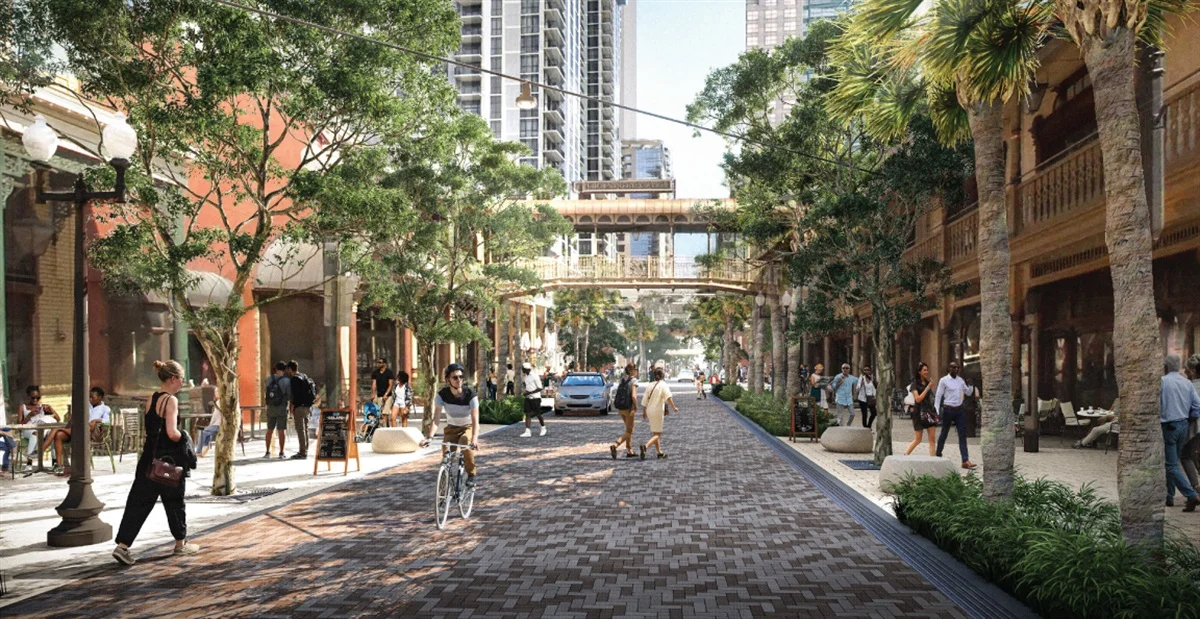
Over the past several years, storefront activity along corridors such as Orange Avenue and Church Street Station has reflected a shift toward hospitality-focused businesses, service providers, and experiential retail concepts replacing some legacy storefront uses. Urban planners say these transitions are common in downtown districts adjusting to post-pandemic workplace patterns and evolving pedestrian traffic flows.
One of the most important drivers behind the shift is changing office occupancy. Hybrid work patterns have reduced weekday foot traffic in many downtown areas across the United States, including Orlando. Economists note that reduced daily commuter presence often affects traditional retail categories such as quick-service lunch restaurants and convenience storefronts that historically depended on office-worker demand.
At the same time, Downtown Orlando’s residential population has continued growing steadily. According to estimates from the U.S. Census Bureau and regional planning agencies, thousands of new apartment units have been delivered or proposed near the city’s urban core over the past decade. Analysts say this shift is gradually changing the retail mix toward nightlife venues, fitness studios, specialty dining, and neighborhood-oriented services designed for residents rather than commuters.
Public infrastructure investments are also influencing storefront patterns. The continued expansion of transit access and pedestrian improvements near the LYNX Central Station corridor has encouraged developers to reposition properties for mixed-use activity supporting both residents and visitors. Economists note that transit-oriented development strategies often reshape retail demand by increasing walkability and supporting higher-density housing nearby.
Commercial rent dynamics remain another important factor shaping storefront turnover. Rising operating costs—including insurance, utilities, and labor—have affected smaller retailers nationwide. Analysts say these pressures can accelerate tenant transitions as landlords reposition properties toward operators with stronger long-term lease stability.
Tourism-related activity continues influencing downtown Orlando’s retail environment as well. While the region’s global tourism sector remains anchored by destinations such as Walt Disney World Resort, downtown Orlando has increasingly positioned itself as a complementary entertainment and nightlife destination. Economists say this strategy supports hospitality-driven storefront demand that differs from traditional daytime office-centered retail models.
Population growth across Central Florida remains a major factor supporting long-term commercial investment. According to the National Association of Realtors housing preference research and migration trend analyses, the Orlando metropolitan area continues attracting new residents due to employment growth, lifestyle amenities, and infrastructure expansion. Analysts say this migration helps sustain demand for neighborhood-serving retail concepts within the downtown district.
Interest-rate conditions also influence how quickly storefront redevelopment occurs. Data from the Federal Reserve shows borrowing costs remain elevated compared with pandemic-era lows, which can slow redevelopment timelines for older retail properties requiring renovation. However, economists note that investor interest in walkable urban districts remains strong despite financing constraints.
Developers are increasingly focusing on mixed-use strategies that integrate apartments, retail, and entertainment space into single projects. Historically, these developments have helped stabilize downtown retail corridors by creating consistent foot traffic throughout the day rather than relying primarily on office commuters.
For residential real estate markets nearby, storefront shifts may signal strengthening long-term urban-core investment. According to Freddie Mac housing-market indicators, proximity to walkable amenities remains one of the most important drivers of buyer interest in growing metro centers. Analysts say improved retail diversity often supports property-value stability in surrounding neighborhoods.
Investors are also monitoring downtown Orlando’s storefront transitions as indicators of broader commercial repositioning across Central Florida. Similar shifts toward experience-driven retail have appeared in fast-growing Sun Belt cities including Tampa and Miami, where mixed-use redevelopment strategies are reshaping historic business districts.
Looking ahead, economists say downtown Orlando’s storefront evolution is likely to continue as population growth, hybrid work patterns, and entertainment-focused redevelopment reshape the city’s urban core. While tenant turnover can signal short-term adjustment, analysts say the longer-term outlook points toward a more residentially integrated and experience-oriented retail environment supporting Central Florida’s expanding downtown economy.