




Author: Beenish Rida Habib



Florida Mortgage Rate Forecast 2026: What Experts Are Watching Mortgage rates in Florida don’t exist in a Florida-only bubble. They’re priced off national capital markets—especially U.S. Treasury yields and mortgage-backed securities (MBS)—then adjusted for lender risk, borrower profile, and property factors. So when someone searches for a Florida mortgage rate forecast for 2026, they’re really asking: Where are national mortgage rates headed in 2026? What Florida-specific factors could push my quote higher or lower? How should I use forecasts without trying to “time” the market? As of February 12, 2026, the Freddie Mac Primary Mortgage Market Survey (PMMS) reported: 30-year…

Adjustable-rate mortgages (ARMs) can look attractive because they often start with a lower introductory rate than a comparable fixed-rate loan. But “lower now” comes with a tradeoff: your rate (and payment) can change later based on a market index plus a lender-set margin—subject to caps. The real question for borrowers in 2026 isn’t “Are ARMs bad?” It’s: Can your budget handle the range of outcomes if rates move against you—and does your time horizon make that risk rational? In early 2026, the rate backdrop is still elevated versus the ultra-low era. Freddie Mac’s weekly survey showed the average 30-year fixed…

Discount points can feel like a simple deal: pay extra upfront, get a lower interest rate, save money every month. In reality, points are a pricing tradeoff, not a universal bargain. Whether paying points is “worth it” depends on (1) how long you’ll keep the mortgage, (2) how much the points actually reduce the rate, (3) what else you could do with that cash (down payment, reserves, debt paydown), and (4) the broader 2026 context—where homeowner costs (including insurance) have been rising and affordability is tight. In early 2026, widely cited benchmarks show mortgage rates around the low-6% range: Freddie…
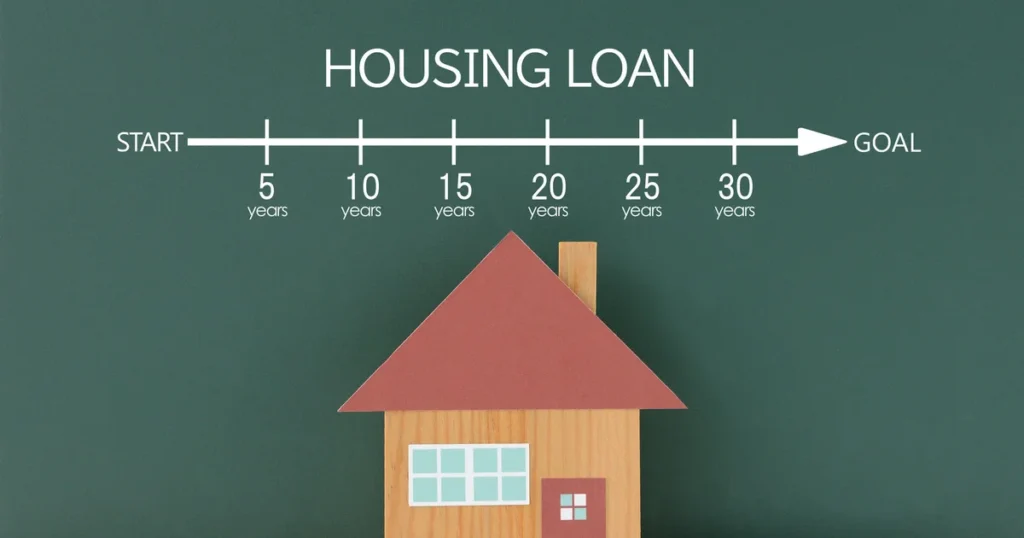
Choosing between a 30-year and 15-year mortgage is one of the most consequential “set-it-and-forget-it” decisions in home finance. Both are common, both can be appropriate, and both can be “smart” depending on your goals and cash-flow reality. What makes the decision tricky is that “saves more long term” can mean different things: Lower total interest paid over the full life of the loan Lower total monthly burden (more flexible cash flow) Higher net worth after a set period (e.g., 10–15 years) Lower risk of payment stress if taxes/insurance rise In early 2026, this decision is being made in a rate…

Mortgage rate “locking” is one of the most misunderstood steps in the home loan process. Many borrowers treat it like a single yes/no choice (“Lock now or wait?”), but in practice it’s a risk-management decision that sits at the intersection of: market volatility (rates can move daily), your timeline certainty (how likely you are to close on time), and pricing tradeoffs (lock length, points/credits, and extension risk). In 2026, borrowers are making lock decisions in a rate environment that is still materially higher than the ultra-low era. Freddie Mac’s Primary Mortgage Market Survey (PMMS) reported the average 30-year fixed rate…

Refinancing costs are one of the biggest reasons homeowners think they’re getting a better deal—then feel disappointed when the numbers don’t pencil out. In Florida, refinance costs can also look “higher than expected” because your total housing payment isn’t just interest and principal; insurance and escrow dynamics matter, and closing costs can include Florida-specific taxes depending on how a refinance is structured and recorded. This guide explains exactly what refinance fees are, where they show up on your Loan Estimate and Closing Disclosure, what’s typical vs optional, and how to run a 2026 break-even test that accounts for real-world tradeoffs…
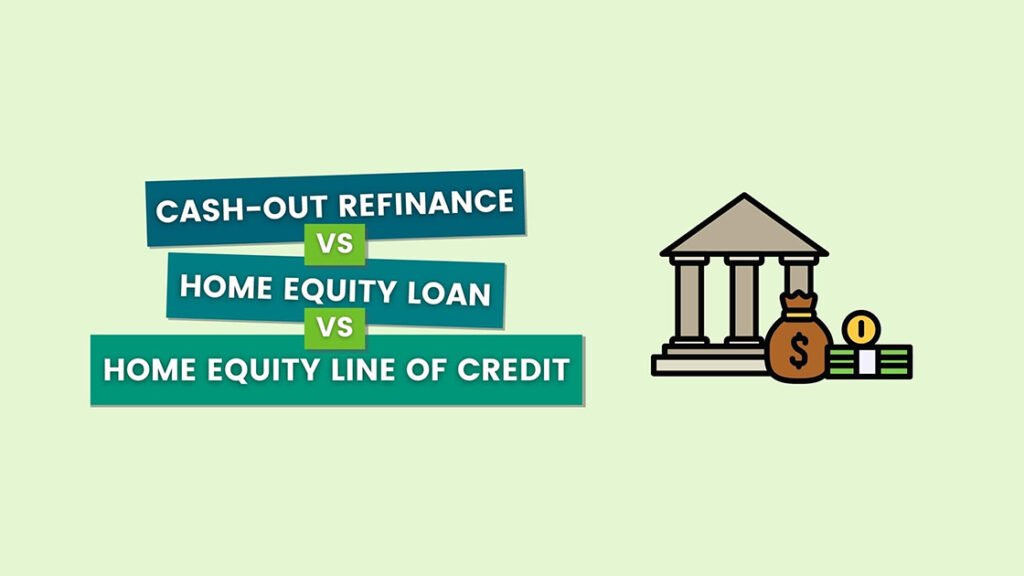
Home equity has become a major financial “lever” for many U.S. homeowners, but the smartest way to access that equity in 2026 depends on what you’re trying to do (monthly payment relief, debt consolidation, renovations, emergency liquidity) and how long you expect to keep the home and the loan. The two most common tools—cash-out refinance and a home equity line of credit (HELOC)—can both be valid, but they behave very differently under changing rates, changing insurance costs, and different time horizons. In 2026, those differences matter because the baseline mortgage-rate environment is still relatively elevated. Freddie Mac’s Primary Mortgage Market…

Refinancing can be one of the highest-impact financial decisions a homeowner makes because it changes the “engine” that powers your monthly payment: the interest rate, the loan term, and sometimes the risk structure (fixed vs adjustable). But refinance decisions are often made with oversimplified rules—“Refi if rates drop 1%”—without accounting for the real variables that drive outcomes: closing costs, points/credits, how long you’ll keep the home, whether you’re resetting the clock on interest, and the growing role of insurance/escrow costs in the total monthly payment. In 2026, this matters even more because mortgage rates are hovering in the mid-6% range…

Student loan debt is common in the U.S. and it does not automatically disqualify you from buying a home or property in Florida. Underwriting does not evaluate your student loan balance as “good” or “bad” in a moral sense. It evaluates whether your documented income can reasonably support: the new housing payment (mortgage + taxes + insurance + HOA/condo fees if any), and your existing monthly obligations, including student loans. That “monthly obligations” part is where many borrowers get surprised, because the student loan payment a lender must use in qualification is sometimes not what a borrower thinks it is—especially…
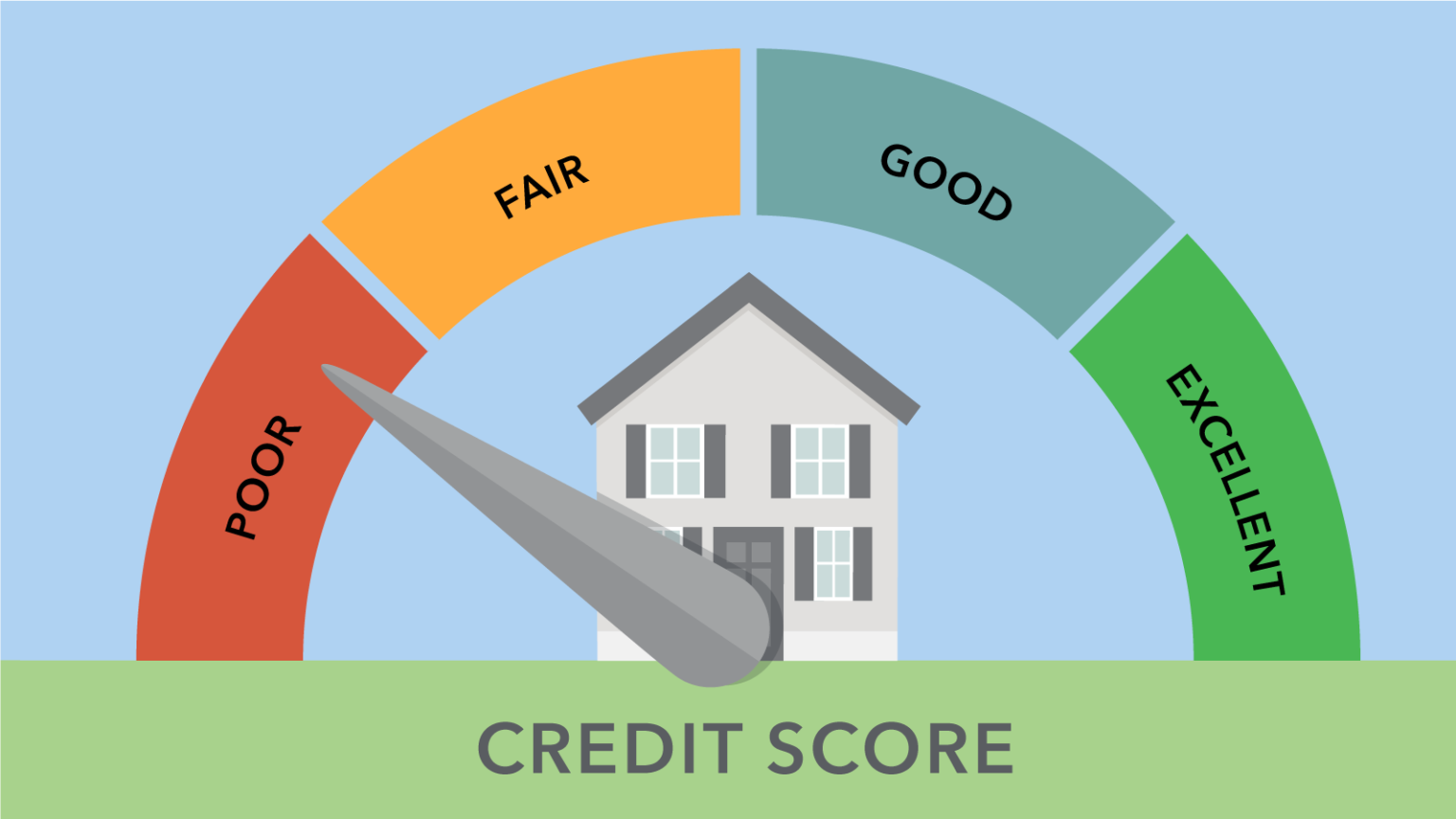
Credit scores are a major factor in U.S. mortgage lending, but they are not a single “pass/fail” number that works the same for every borrower, lender, or loan program. For home buyers in Florida, understanding how credit scores affect mortgage approval is especially important, as the state follows national underwriting standards while also facing unique local market conditions. Buyers reviewing qualification readiness often begin with removing error from your credit score. In Florida, the mortgage process uses the same national underwriting frameworks applied across most states. However, factors such as rising home prices, property taxes, homeowners’ association (HOA) fees, and…