



Author: Beenish Rida Habib

 Beenish Rida Habib
Beenish Rida Habib is a Mortgage & Lending Contributor at ACT Global Media, providing educational content on U.S. mortgage, lending, and credit topics in a neutral, consumer-focused format. She is a Florida-licensed Mortgage Loan Originator (NMLS #1721345). This content is for informational purposes only and does not constitute financial or lending advice. Readers should consult a licensed mortgage professional for guidance specific to their situation.

Mortgage rates in Florida change frequently because they are influenced by national financial conditions (like bond markets), local lending competition, and borrower-specific factors (credit profile, down payment, loan type, and more). This guide summarizes “today’s” Florida rate snapshots from widely used public rate trackers, explains why different sources can show different numbers, and outlines how mortgage rates are commonly presented in the U.S. (rate vs APR, points, fees). This is a general educational overview. It does not provide a rate quote, a loan offer, or individualized lending guidance. Specific mortgage terms and eligibility vary by lender, borrower qualifications, and applicable…

Buying your first home can feel confusing because “first-time homebuyer program in Florida” is not one single program. In practice, Florida buyers often combine (1) a primary mortgage, (2) a down payment/closing cost assistance option, and (3) required education/counseling, depending on the program and lender. This guide explains the most common Florida-specific and U.S.-wide first-time homebuyer options in a neutral, educational format. Program availability, funding, income limits, purchase price limits, lender participation, and rules can change. Nothing below is a loan offer or approval guarantee. What “First-Time Homebuyer” Usually Means Many programs define “first-time homebuyer” as someone who has not…

Introduction Identity theft and fraud are among the most frequently reported consumer crimes in the United States. As financial activity becomes increasingly digital, consumers face greater exposure to data breaches, account takeovers, and misuse of personal information. These risks affect individuals across income levels, regions, and age groups. According to the Federal Trade Commission (FTC), U.S. consumers filed over 5 million fraud and identity theft reports in 2023, with identity theft accounting for roughly one-third of all reports. Credit card fraud, new account fraud, and government benefits fraud consistently rank among the most common categories. This article provides a neutral,…
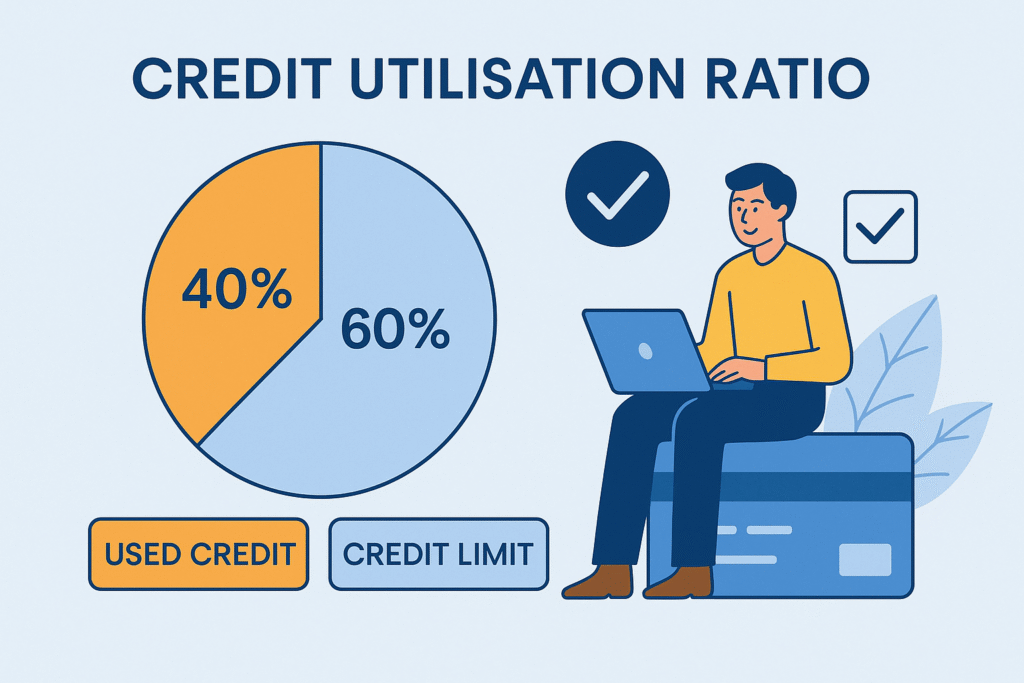
Introduction Credit utilization is one of the most frequently referenced but often misunderstood components of credit scoring in the United States. While many consumers primarily associate credit scores with payment history, public data and scoring model disclosures consistently show that lenders place significant weight on how much credit consumers use relative to their available limits when evaluating credit profiles. According to consumer education materials from the Consumer Financial Protection Bureau (CFPB) and public explanations from FICO, scoring models generally rank credit utilization as one of the most influential factors after payment history. However, utilization is not a fixed rule or…

Introduction Credit reports play a foundational role in the U.S. consumer finance system. They influence lending decisions, insurance pricing in some states, rental screening, and even utility deposit requirements. Despite this wide-ranging impact, many consumers review their credit reports infrequently or only after a problem arises. According to research cited by the Consumer Financial Protection Bureau (CFPB), errors in credit reports are not uncommon, and inaccuracies can affect credit scores, loan pricing, and financial access. At the same time, federal law gives consumers the right to access their credit reports regularly at no cost, making routine review an important component…
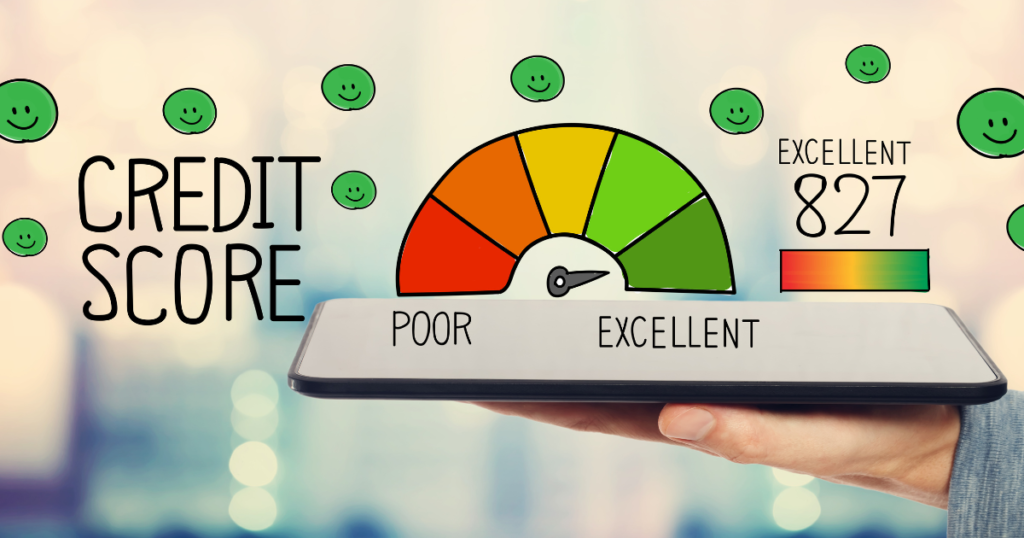
Introduction Credit scores play a central role in the U.S. financial system, influencing how lenders, insurers, landlords, and other institutions evaluate financial risk. While credit scores are often discussed in the context of borrowing, public data shows that they also affect a wide range of everyday financial outcomes, from insurance pricing to utility deposits. According to the Consumer Financial Protection Bureau (CFPB), more than 200 million U.S. adults have a credit record at one or more of the nationwide consumer reporting agencies. Of those, the majority have a score generated by commonly used scoring models, while a smaller share are…

Introduction Many U.S. homeowners are surprised to learn that their monthly mortgage payment can change even when they have a fixed-rate mortgage. One of the most common reasons for this change is the operation of an escrow account—a mechanism used by lenders and loan servicers to collect and pay certain housing-related expenses on behalf of the borrower. Escrow accounts are widely used in the U.S. mortgage system, particularly for loans with smaller down payments or higher loan-to-value (LTV) ratios. According to data and consumer education materials from the Consumer Financial Protection Bureau (CFPB), escrow accounts are designed to help ensure…

Introduction “How much house can you really afford?” is one of the most frequently asked questions in U.S. housing conversations. While the phrase is often used casually, public data shows that housing affordability is influenced by a complex interaction of income, existing obligations, housing costs beyond the mortgage, interest rates, and local market conditions. According to the U.S. Census Bureau, the median U.S. household income was approximately $80,610, while the Bureau of Labor Statistics (BLS) reports that housing represents the largest share of household spending, accounting for roughly 32–34% of total expenditures on average. This means that affordability discussions cannot…
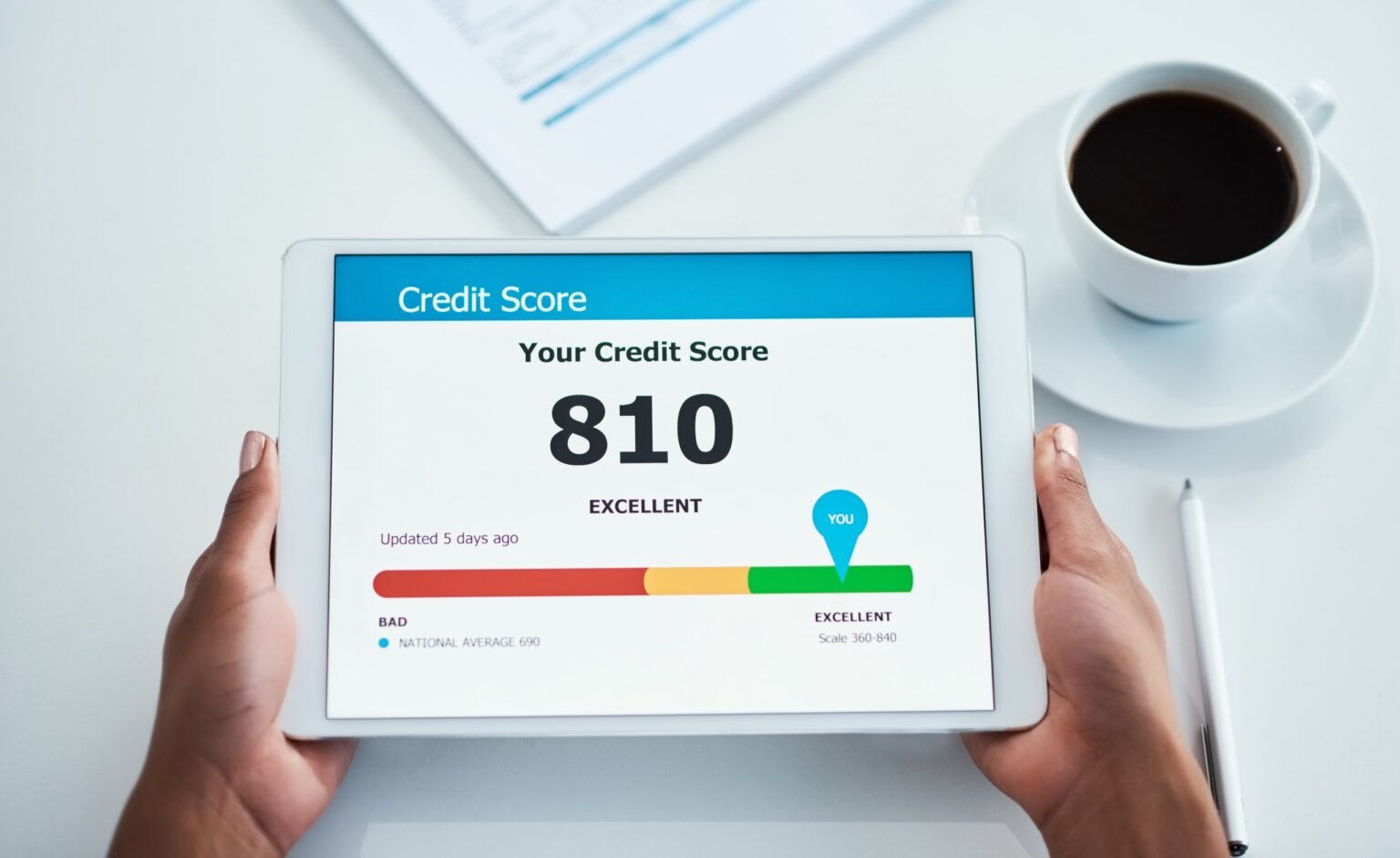
Introduction: There isn’t one “magic” credit score Many U.S. homebuyers search for a single number: “What credit score do I need to buy a house?” In practice, mortgage lending doesn’t work like a pass/fail exam with one universal cutoff. Credit scores matter, but lenders also evaluate: credit report contents (payment history, derogatory items, utilization patterns), income and employment stability, debt-to-income (DTI) ratios, down payment / reserves, property type and occupancy, and program guidelines plus lender-specific rules. The Consumer Financial Protection Bureau (CFPB) explains that your credit score and the information on your credit report can affect whether you qualify and…

Introduction Choosing a mortgage type in the United States is less about finding a “best” loan and more about understanding tradeoffs among eligibility rules, up-front cash needs, and ongoing costs (like mortgage insurance or program fees). Most U.S. homebuyers compare options using standardized documents such as the Loan Estimate and Closing Disclosure, which were designed to make loan costs easier to understand and compare across lenders. This educational guide explains three common pathways: Conventional mortgages (not government-insured) FHA loans (insured by the Federal Housing Administration, part of HUD) VA loans (guaranteed by the U.S. Department of Veterans Affairs for eligible…