



Author: Beenish Rida Habib

 Beenish Rida Habib
Beenish Rida Habib is a Mortgage & Lending Contributor at ACT Global Media, providing educational content on U.S. mortgage, lending, and credit topics in a neutral, consumer-focused format. She is a Florida-licensed Mortgage Loan Originator (NMLS #1721345). This content is for informational purposes only and does not constitute financial or lending advice. Readers should consult a licensed mortgage professional for guidance specific to their situation.

Mortgage rate “locking” is one of the most misunderstood steps in the home loan process. Many borrowers treat it like a single yes/no choice (“Lock now or wait?”), but in practice it’s a risk-management decision that sits at the intersection of: market volatility (rates can move daily), your timeline certainty (how likely you are to close on time), and pricing tradeoffs (lock length, points/credits, and extension risk). In 2026, borrowers are making lock decisions in a rate environment that is still materially higher than the ultra-low era. Freddie Mac’s Primary Mortgage Market Survey (PMMS) reported the average 30-year fixed rate…

Refinancing costs are one of the biggest reasons homeowners think they’re getting a better deal—then feel disappointed when the numbers don’t pencil out. In Florida, refinance costs can also look “higher than expected” because your total housing payment isn’t just interest and principal; insurance and escrow dynamics matter, and closing costs can include Florida-specific taxes depending on how a refinance is structured and recorded. This guide explains exactly what refinance fees are, where they show up on your Loan Estimate and Closing Disclosure, what’s typical vs optional, and how to run a 2026 break-even test that accounts for real-world tradeoffs…
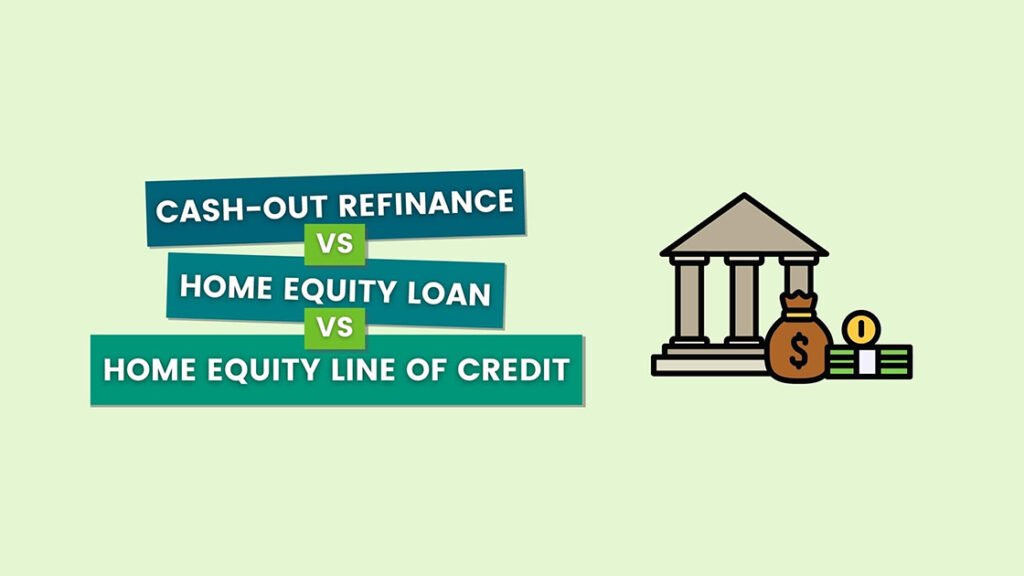
Home equity has become a major financial “lever” for many U.S. homeowners, but the smartest way to access that equity in 2026 depends on what you’re trying to do (monthly payment relief, debt consolidation, renovations, emergency liquidity) and how long you expect to keep the home and the loan. The two most common tools—cash-out refinance and a home equity line of credit (HELOC)—can both be valid, but they behave very differently under changing rates, changing insurance costs, and different time horizons. In 2026, those differences matter because the baseline mortgage-rate environment is still relatively elevated. Freddie Mac’s Primary Mortgage Market…

Refinancing can be one of the highest-impact financial decisions a homeowner makes because it changes the “engine” that powers your monthly payment: the interest rate, the loan term, and sometimes the risk structure (fixed vs adjustable). But refinance decisions are often made with oversimplified rules—“Refi if rates drop 1%”—without accounting for the real variables that drive outcomes: closing costs, points/credits, how long you’ll keep the home, whether you’re resetting the clock on interest, and the growing role of insurance/escrow costs in the total monthly payment. In 2026, this matters even more because mortgage rates are hovering in the mid-6% range…

Student loan debt is common in the U.S. and it does not automatically disqualify you from buying a home or property in Florida. Underwriting does not evaluate your student loan balance as “good” or “bad” in a moral sense. It evaluates whether your documented income can reasonably support: the new housing payment (mortgage + taxes + insurance + HOA/condo fees if any), and your existing monthly obligations, including student loans. That “monthly obligations” part is where many borrowers get surprised, because the student loan payment a lender must use in qualification is sometimes not what a borrower thinks it is—especially…
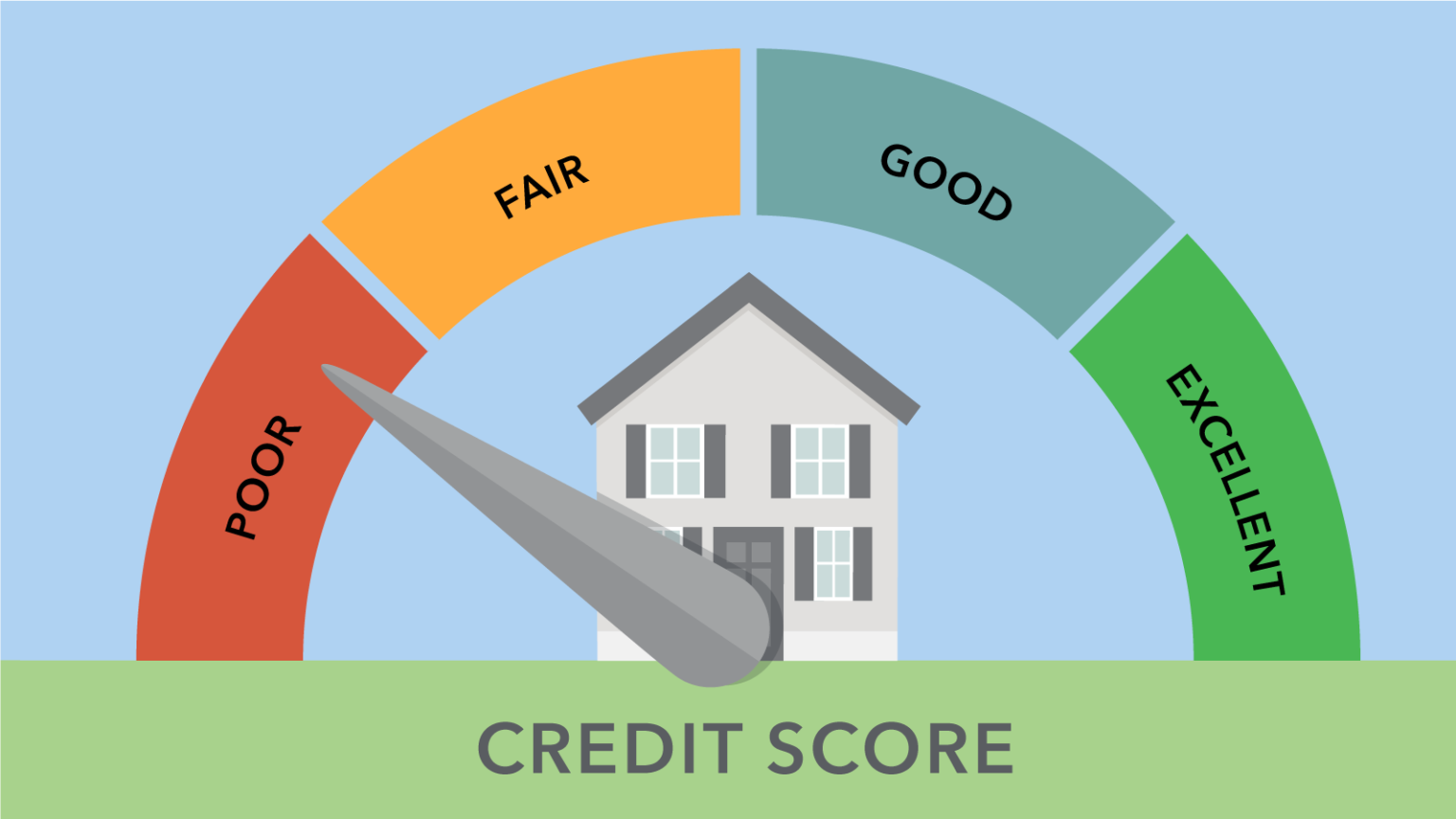
Credit scores are a major factor in U.S. mortgage lending, but they are not a single “pass/fail” number that works the same for every borrower, lender, or loan program. For home buyers in Florida, understanding how credit scores affect mortgage approval is especially important, as the state follows national underwriting standards while also facing unique local market conditions. Buyers reviewing qualification readiness often begin with removing error from your credit score. In Florida, the mortgage process uses the same national underwriting frameworks applied across most states. However, factors such as rising home prices, property taxes, homeowners’ association (HOA) fees, and…

Down payments are one of the most misunderstood parts of home buyers in Florida. Many home buyers assume 20% is required, while others assume “low down payment” always means “cheap.” In reality, the down payment is just one moving piece in a larger affordability equation that includes closing costs, mortgage insurance, interest rate environment, insurance premiums, property taxes, HOA dues, and reserves. This guide explains what “down payment” means in U.S. mortgage terms, what national and Florida-specific data suggests about typical buyer behavior, and how low-down-payment options work at a high level. It is written for education only and is…

Searching “best mortgage lenders for buying property in Orlando” is understandable but there is no single lender that is “best” for every borrower. In the U.S., mortgage pricing and approvals can vary by loan program, credit profile, income documentation, down payment, property type, timing, and even operational factors like turnaround time and communication. That is why the most reliable approach is not a universal ranking. It is a repeatable comparison method that helps you evaluate lenders using standardized disclosures, public data, and consumer-protection tools. This educational guide explains how to compare Orlando-area lenders safely and objectively—without relying on hype or…

Florida is one of the largest veteran-population states in the U.S., and that matters because VA-guaranteed home loans are designed to expand access to homeownership for eligible servicemembers, veterans, and certain surviving spouses. Florida’s Department of Veterans’ Affairs notes the state has nearly 1.4 million veterans, making it one of the largest veteran communities in the country. This trend is frequently highlighted in real estate news in Florida, as VA loans continue to play a major role in the state’s housing market, especially for eligible buyers comparing options like FHA and conventional financing. This guide explains VA loan benefits in…
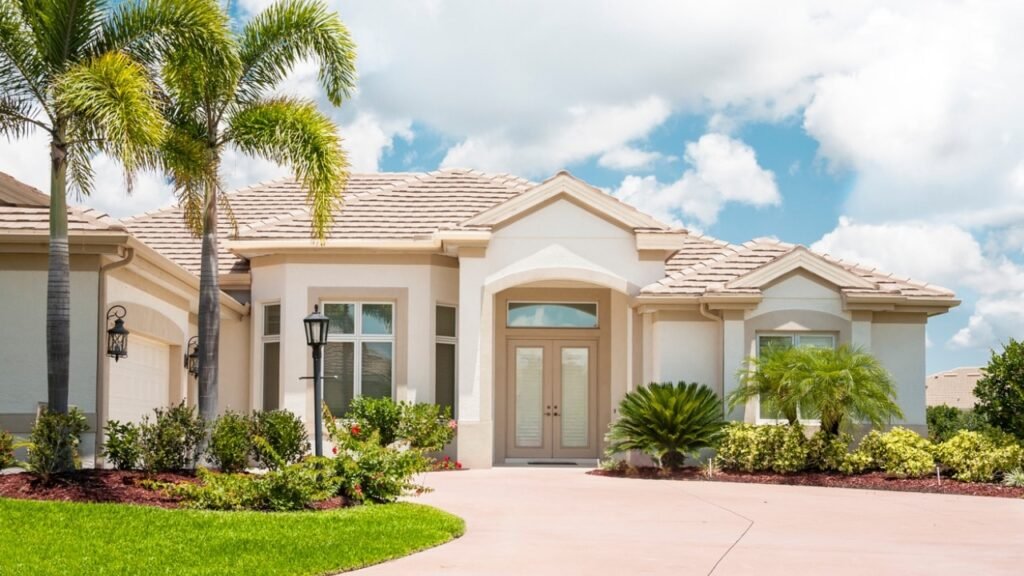
An FHA loan is a U.S. government-backed mortgage insured by the Federal Housing Administration (FHA). In Florida, FHA financing is commonly used by first-time and repeat buyers because it can allow lower down payments than many conventional options and permits a wider range of borrower profiles—while still requiring underwriting, documentation, and property standards. This guide explains FHA loans in Florida in a neutral, educational way—what they are, how they work, what they cost, and what typically causes delays or denials. It uses publicly available U.S. sources and Florida program examples. It is not a rate quote, not an offer to…