




Author: Asim Iftikhar



Understanding the Difference in the U.S. Housing Market Home improvement spending in the United States exceeds $450 billion annually, according to national housing and construction estimates. Yet not all improvements affect home value in the same way. One of the most misunderstood distinctions in residential real estate is the difference between renovations that preserve value and cosmetic upgrades that primarily affect appearance. Many homeowners assume that any visible improvement increases resale value. U.S. housing data and appraisal practices show a more nuanced reality: some projects protect a home’s existing value by preventing deterioration or functional obsolescence, while others mainly influence…

Home renovation decisions are often made with the expectation that higher spending will translate into higher resale value. Yet U.S. housing data consistently shows that neighborhood price ceilings not renovation quality alone ultimately determine how much value a home can capture at resale. A neighborhood price ceiling refers to the upper price range buyers are willing to pay for homes in a specific area, based on location fundamentals, housing stock, school boundaries, local amenities, and recent comparable sales. Once a property approaches or exceeds this ceiling, additional renovation spending tends to yield diminishing or nonexistent financial returns. This article explains,…

Home renovations are often associated with increased home value, but U.S. housing data consistently shows that not all renovations add value—and many fail to recover their full cost. While some improvements may increase buyer appeal or reduce time on market, others primarily deliver lifestyle benefits rather than financial returns. According to national cost-versus-value research published annually by industry analysts, most home renovations do not return 100% of their cost at resale, and outcomes vary significantly by region, home type, and market conditions. This reality underscores an important distinction: a renovation can improve a home without necessarily increasing its market value…

In U.S. residential real estate, the terms “market value” and “appraised value” are often used interchangeably—but they represent two different concepts, produced through two different processes, for two different purposes. This distinction matters because price disagreements, financing delays, and failed transactions frequently stem from confusion between the two. According to the Federal Housing Finance Agency (FHFA), appraisal-related issues are among the most common valuation-related friction points in mortgage-backed transactions, particularly during periods of rapid price movement. This article provides an advanced, U.S.-specific, data-backed explanation of how market value and appraised value are defined, calculated, and applied in practice without offering…

For many U.S. households, “the mortgage payment” becomes shorthand for the cost of owning a home. However, homeownership costs go far beyond the monthly mortgage payment. The full cost of homeownership typically includes property taxes, homeowners insurance, utilities, HOA or condo fees, maintenance and repairs, and periodic big-ticket replacements. When evaluating homeownership costs, buyers should also consider less obvious expenses such as permits, service contracts, and emergency reserves, all of which contribute to the true financial responsibility of owning a home. Market conditions can also affect the long-term cost and return on homeownership. Our analysis of how days on market…

Home renovations are often discussed as a way to “increase home value,” yet real-world data shows that not all improvements translate into higher resale prices. In the United States, renovation outcomes depend heavily on market conditions, location, buyer expectations, and the type of upgrade performed. For homeowners following real estate news in Florida, understanding which renovations add value and which do not is especially important, as local market trends and buyer demand can strongly influence the return on investment from home improvement projects. According to data from the National Association of Realtors, homeowners frequently overestimate how much value renovations add…
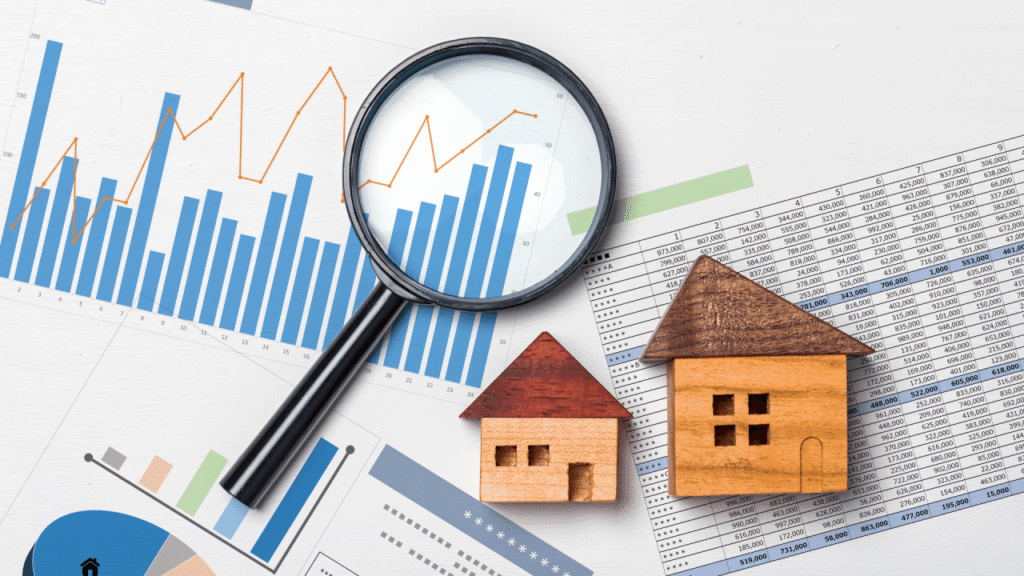
Days on Market (DOM) is one of the clearest indicators used to understand real estate trends in the U.S. housing market. Simply put, the longer a home stays on the market, the more time buyers have to compare options, negotiate, and wait for potential price changes. When DOM is short, it usually signals strong demand and higher competition among buyers. However, DOM does not directly determine a property’s price. Instead, it reflects how well a listing’s price, condition, location, and marketing align with current real estate trends and buyer demand. Factors like housing inventory, mortgage rates, and seasonal activity also…

Home appreciation is not “one market” and it is not evenly distributed. Two homes can look similar on paper (same size, same age, same general metro) yet grow in value at very different rates over time. The difference usually comes down to a small set of repeatable forces: local supply constraints, demand drivers (jobs, incomes, household formation), neighborhood and property-level fundamentals, and market-cycle timing. This article explains the major factors that can cause one home to appreciate faster than another in the United States, using publicly available data and widely cited market indicators. It is written for education and general…

Property location is one of the strongest long-run drivers of resale value in U.S. residential real estate because location influences demand, daily utility, risk exposure, and future change. Unlike a kitchen remodel or a new roof, you generally can’t “fix” location after closing. That’s why two homes with similar square footage and finishes can sell for very different prices. This educational guide explains how location affects resale value in the U.S., using publicly available government and industry research, with neutral, fair-housing–safe language. It does not provide real estate, legal, tax, insurance, or investment advice. Location is one of the most…
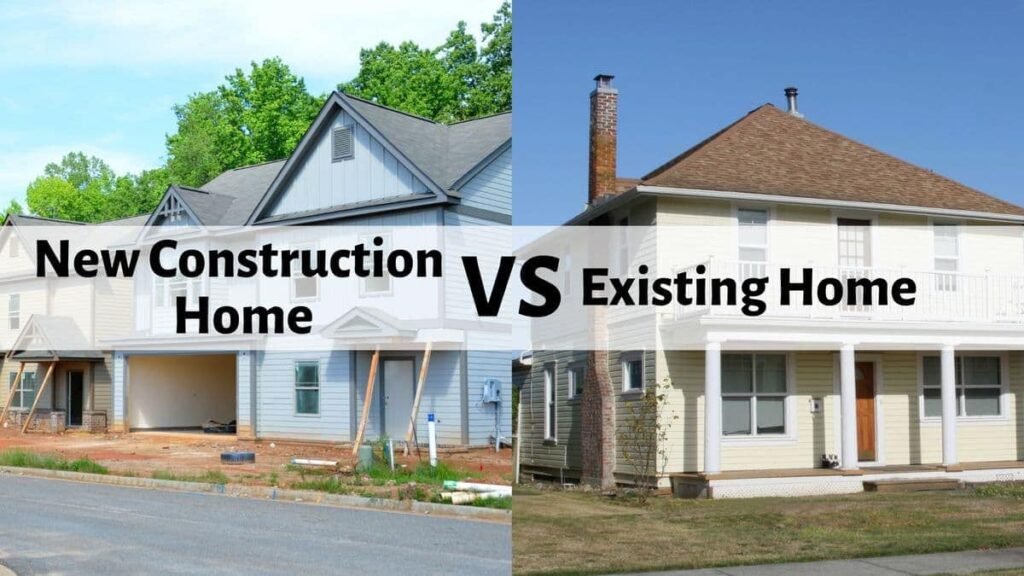
When deciding whether to buy a new construction home or an existing home, U.S. buyers often focus on simple differences such as “new vs old” or “modern vs established.” However, the real distinction goes far beyond appearance. The decision affects purchase price, financing flexibility, maintenance costs, property taxes, and long-term affordability. According to recent real estate news reports and data from the U.S. Census Bureau, newly built homes accounted for roughly 14% of all U.S. home sales in 2024, while 86% of buyers purchased existing homes. Despite the smaller share of transactions, new construction homes play a major role in…