



A new wave of entrepreneurs often described as “startup cowboys” is helping transform Austin into one of the fastest-growing technology hubs in the United States, reshaping the region’s housing market, commercial development pipeline, and long-term real estate investment outlook. Analysts say the city’s expanding startup ecosystem is accelerating migration trends that continue influencing both residential demand and office-sector repositioning across Central Texas.
Austin’s rise as a technology destination has been driven by a combination of lower operating costs compared with coastal tech centers, favorable tax conditions in Texas, and a steady influx of venture-backed companies relocating from higher-cost markets such as San Francisco and New York City. Economists say these migration patterns are reshaping both employment growth and housing-market activity across the region.
The “startup cowboy” label reflects a growing group of founders and investors choosing Austin for its business-friendly environment and expanding talent base. Analysts note that venture capital investment and early-stage company formation have increased significantly in the city over the past several years, reinforcing Austin’s position as a national innovation center outside traditional coastal tech corridors.
Population growth remains one of the most important drivers behind Austin’s real estate momentum. According to the U.S. Census Bureau, Austin continues ranking among the fastest-growing metro areas in the country, supporting sustained demand for both single-family housing and multifamily rental development across suburban expansion zones.
Housing economists say migration tied to technology-sector expansion has contributed to rising home values and stronger rental demand in neighborhoods near employment centers and innovation districts. Areas such as East Austin and northern suburban corridors have attracted increased attention from developers seeking to meet workforce housing demand generated by startup expansion.
Commercial real estate activity has also shifted alongside the city’s tech-sector growth. Analysts note that coworking hubs, flexible office campuses, and mixed-use innovation districts have become increasingly common as companies adopt hybrid workplace strategies while maintaining centralized collaboration spaces. These development trends mirror patterns seen previously in coastal technology markets.
Macroeconomic conditions remain a key factor shaping how quickly Austin’s development pipeline expands. Data from the Federal Reserve indicates borrowing costs remain higher than pandemic-era lows, influencing both residential construction timelines and office-sector investment decisions. However, economists say strong employment growth linked to technology-sector expansion continues supporting long-term investor confidence in Austin’s property market.
Construction-cost inflation also continues affecting development feasibility nationwide. Industry estimates suggest building expenses remain roughly 5% to 15% above pre-2020 levels, which can influence the pace of new housing delivery even in high-growth metros such as Austin.
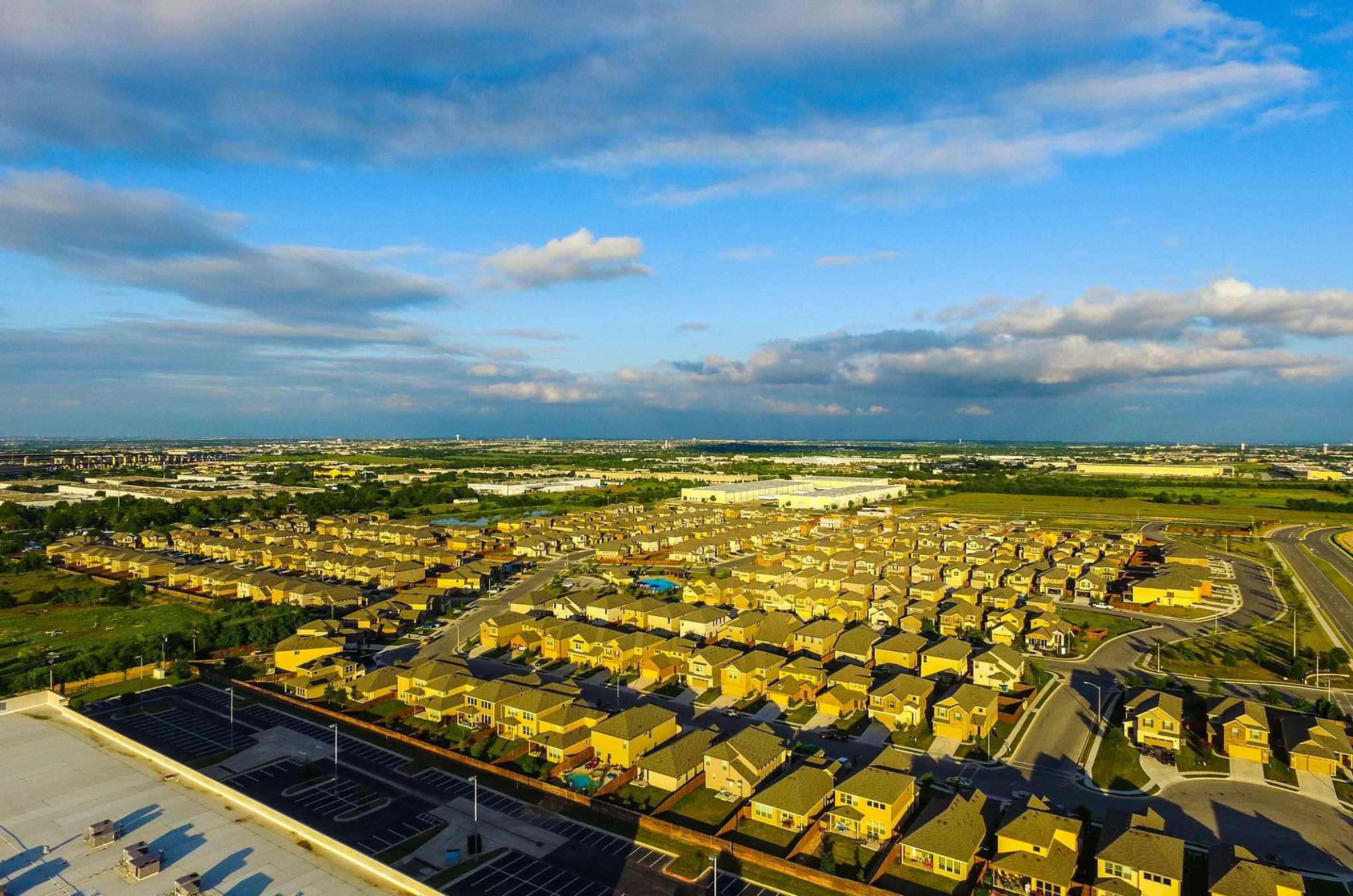
For homebuyers, the arrival of startup-driven employment opportunities has strengthened demand for entry-level housing in commuter-friendly suburban corridors surrounding Austin’s urban core. Analysts say workforce migration tied to early-stage companies often increases demand for townhomes and mid-priced single-family properties located near transportation routes and emerging retail centers.
Investors are closely monitoring Austin’s growth because technology-driven migration historically supports long-term property-value appreciation in expanding metro regions. Economists note that startup ecosystems often create multiplier effects across hospitality, retail, and residential development sectors as employment clusters attract additional service industries.
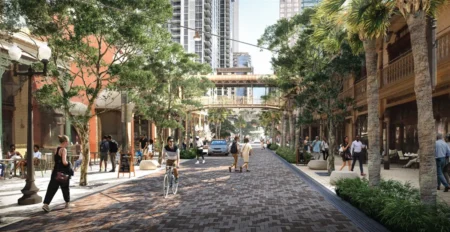
Developers have increasingly responded by expanding mixed-use construction pipelines designed to integrate office space, apartments, and retail amenities within walkable districts. Analysts say these projects reflect changing preferences among younger tech-sector employees seeking proximity to employment centers and lifestyle-oriented neighborhoods.
Mortgage-rate conditions remain a key variable shaping housing affordability across Austin’s fast-growing market. Recent Freddie Mac data shows mortgage rates have remained near the mid-6% range in recent months, influencing purchasing power even as employment growth supports continued buyer demand.
For renters, startup-driven migration has supported strong multifamily occupancy rates across several Austin submarkets. Historically, technology-sector expansion has contributed to sustained rental demand in innovation-oriented metros where workforce mobility remains high.
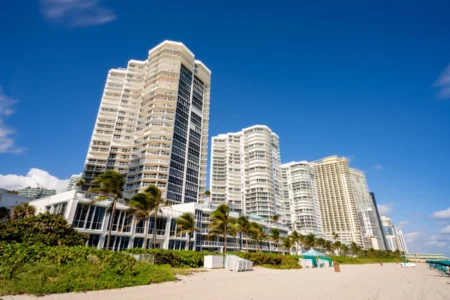
Developers and investors in other fast-growing Sun Belt regions including Florida are closely watching Austin’s transformation because similar migration-driven development patterns are influencing markets such as Miami, Orlando, and Tampa. Analysts say technology-sector expansion continues shaping real estate demand across multiple southern metros competing for startup relocation activity.
Looking ahead, economists say Austin’s emergence as a startup-driven innovation hub could continue supporting both residential and commercial real estate investment across the region. If venture capital flows remain strong and migration trends continue, the city’s property market may remain one of the most closely watched tech-driven real estate stories in the United States.