




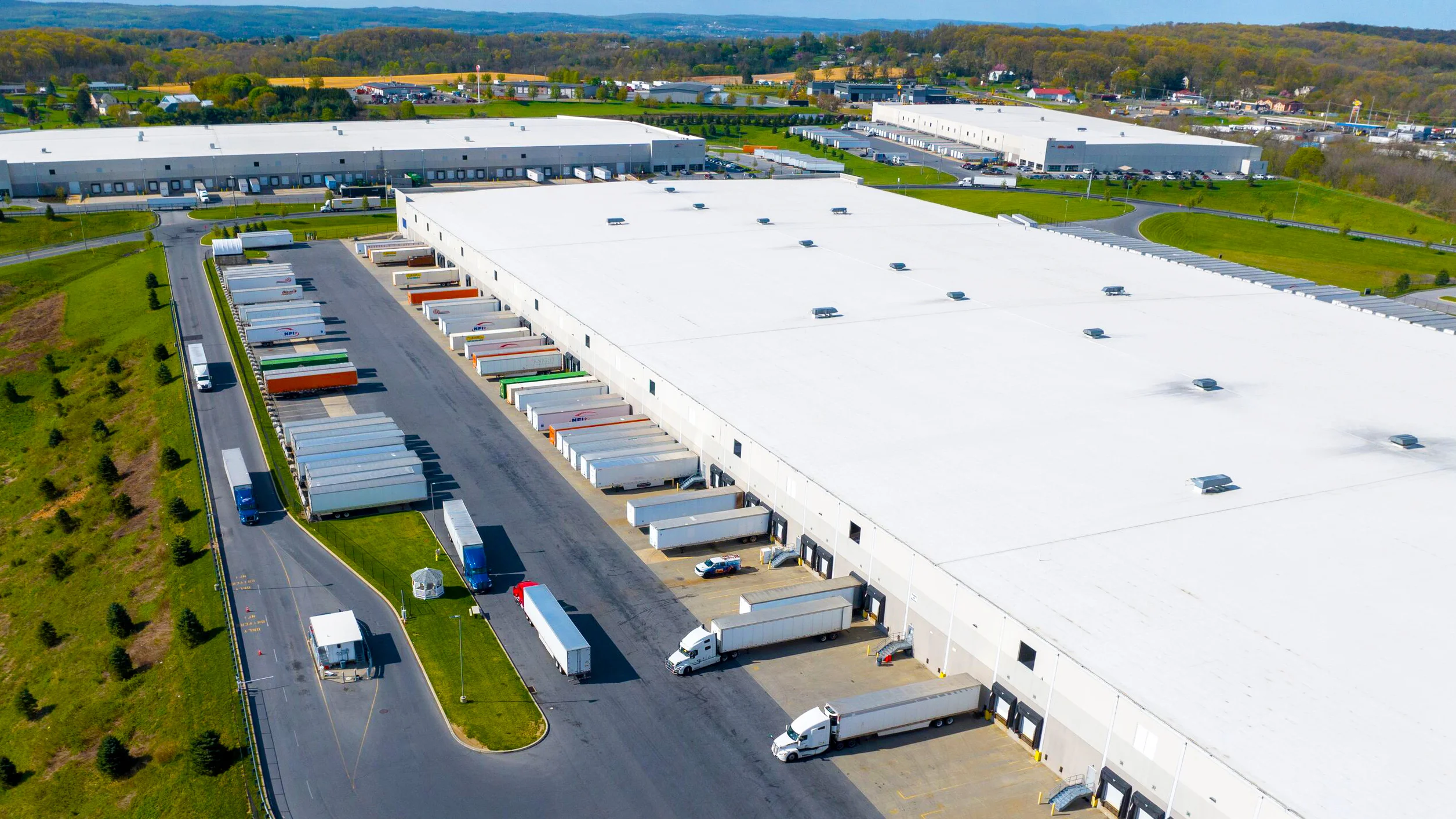
Industrial companies across the United States are increasingly shifting their real estate strategies toward what analysts describe as durable logistics properties, as supply chain disruptions, geopolitical uncertainty, and transportation volatility continue reshaping how businesses plan warehouse and distribution infrastructure in 2026.
Rather than relying heavily on just-in-time inventory systems, manufacturers and distributors are expanding their footprint in strategically located industrial facilities that can support long term storage, regional distribution flexibility, and operational resilience. Real estate experts say this shift is strengthening demand for logistics hubs near ports, highways, rail corridors, and fast growing population centers.
Recent supply chain disruptions linked to international conflicts and transportation bottlenecks have highlighted vulnerabilities in traditional inventory models. As a result, companies are increasing their focus on warehouse redundancy and regional distribution coverage. Analysts say this approach is helping businesses maintain operations even when global shipping conditions become unstable.
Industrial real estate located near major transportation networks continues attracting strong investment activity. Markets such as Dallas, Atlanta, Orlando, and Tampa are seeing increased demand from logistics operators seeking durable distribution capacity that supports both regional and national supply chains.
Durable industrial properties typically include modern warehouses with higher ceiling heights, expanded loading capacity, flexible storage configurations, and improved truck access. These features allow companies to adjust inventory strategies quickly in response to changing shipping timelines and consumer demand patterns.
Population growth tracked by the U.S. Census Bureau continues supporting logistics expansion across Sun Belt states. As more households relocate to regions such as Florida and Texas, companies are positioning distribution facilities closer to end consumers in order to shorten delivery times and improve reliability.
The shift toward durable logistics infrastructure is also influencing investment strategies across the commercial real estate sector. Institutional investors increasingly view industrial warehouses as stable income producing assets that benefit from long term leasing demand and essential supply chain positioning. Compared with other commercial property types, logistics facilities have shown strong occupancy performance during recent economic cycles.
Borrowing conditions shaped by the Federal Reserve continue influencing development timelines nationwide. While higher financing costs have slowed some speculative construction projects, companies with long term distribution strategies are continuing to secure space through build to suit facilities and preleasing agreements.
Construction costs reported by the Bureau of Labor Statistics remain elevated compared with earlier years, encouraging developers to prioritize projects with strong tenant commitments before breaking ground. Analysts say this trend is reinforcing the importance of durable industrial assets that support predictable leasing demand.
Another factor supporting warehouse expansion is the continued growth of e commerce. Retailers and third party logistics providers are increasing storage capacity closer to consumers to support faster delivery expectations. Durable warehouse properties that allow flexible inventory staging are becoming central components of this strategy.
Port activity is also influencing industrial real estate demand across coastal markets. Facilities located near major shipping gateways such as Miami and Houston are benefiting from companies seeking additional buffer capacity to manage import timing uncertainty. Analysts say proximity to ports helps businesses respond more effectively to shipping delays and cargo surges.
Industrial tenants are increasingly signing longer lease terms as well. Durable logistics facilities that support regional distribution networks often serve as core infrastructure rather than temporary storage space. This shift is improving stability for landlords and strengthening investor confidence in the sector.
Real estate developers are responding by expanding construction pipelines focused on high quality logistics parks rather than speculative warehouse inventory in secondary locations. Analysts say this strategy reflects growing tenant preference for resilient infrastructure that supports long term operational continuity.
For investors, the move toward durable logistics real estate signals continued strength in one of the most resilient segments of the commercial property market. As companies adjust to global supply chain uncertainty, warehouses located near transportation corridors and population centers are expected to remain among the most sought after commercial assets through the remainder of 2026.