




Cities across the United States are increasingly working with private developers to expand housing supply as affordability challenges continue to shape local real estate markets in 2026. Municipal governments facing persistent shortages of entry-level and workforce housing are adopting zoning reforms, incentive programs, and public-private partnerships designed to accelerate construction timelines and encourage new residential development in high-demand regions.
Housing economists say collaboration between local governments and builders has become more important as supply constraints remain one of the primary drivers of elevated home prices nationwide. According to estimates from the U.S. Census Bureau, household formation has continued to outpace new construction in several fast-growing metro areas over the past decade, contributing to ongoing inventory shortages.
Many cities are responding by updating zoning regulations to allow higher-density housing near transit corridors and employment centers. Analysts note that permitting duplexes, townhomes, and mixed-use developments in traditionally single-family zones can help increase supply without requiring large-scale land expansion. In several markets, these reforms are already encouraging developers to pursue projects that were previously not financially feasible.
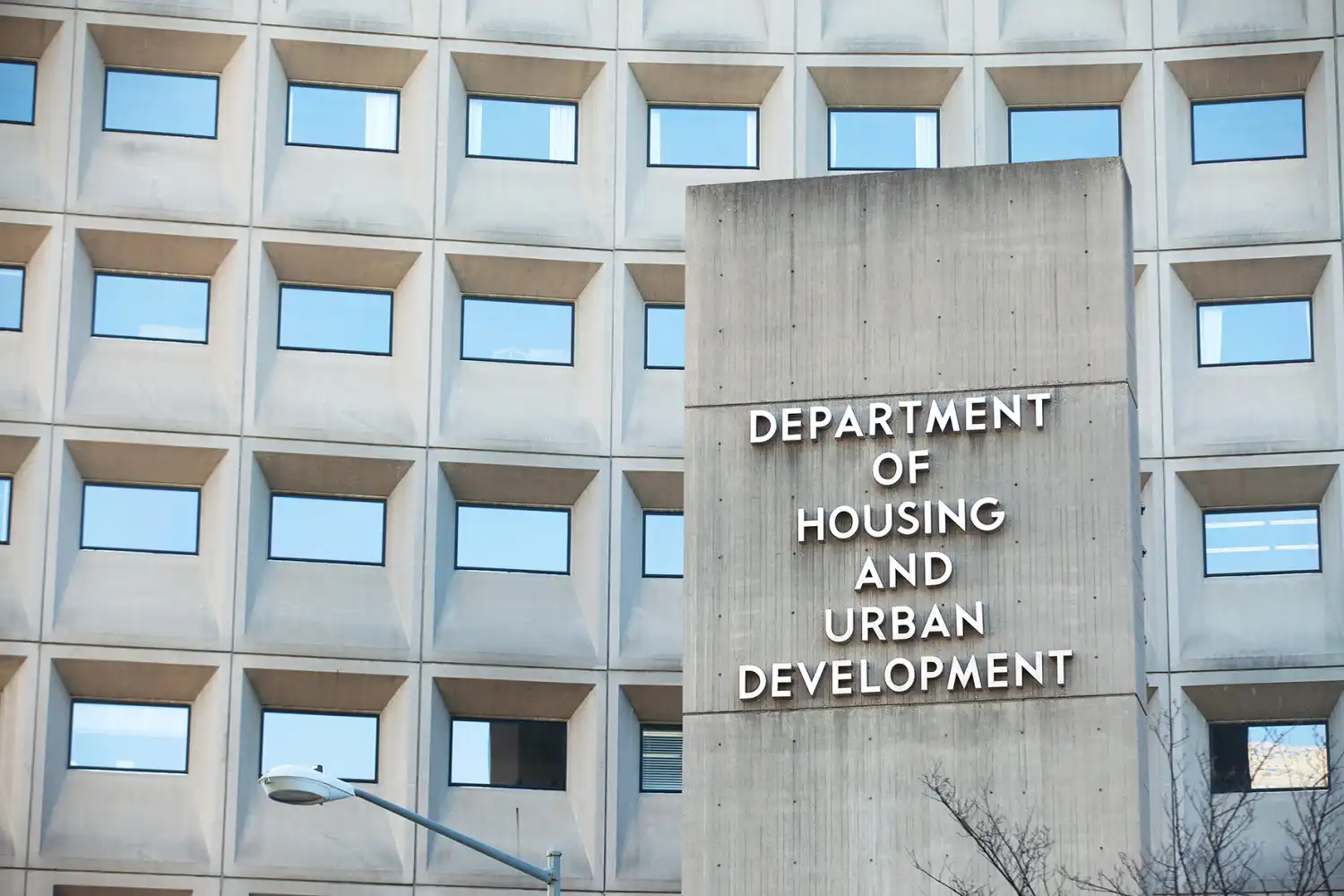
Public-private partnerships are also playing a larger role in addressing housing shortages. Local governments are offering incentives such as tax abatements, reduced permitting timelines, and infrastructure support to encourage construction of affordable and workforce housing. According to the U.S. Department of Housing and Urban Development (HUD), collaboration between municipalities and private developers has historically helped expand housing access in regions experiencing rapid population growth.
These initiatives are unfolding alongside broader macroeconomic conditions that continue influencing housing supply. Mortgage rates tracked by Freddie Mac have remained near the mid-6% range in recent months, a level that can affect both buyer demand and construction financing decisions. Economists say elevated borrowing costs often slow new project starts because developers rely heavily on financing to launch residential construction.
Inflation trends reported by the Bureau of Labor Statistics have also contributed to rising construction costs. Labor shortages and material pricing volatility have increased development expenses in many markets by an estimated 5% to 10% in recent years, making city-level incentives more important for maintaining project feasibility.
Interest-rate expectations from the Federal Reserve remain another factor shaping housing supply strategies. When borrowing costs stabilize or decline, developers typically accelerate construction pipelines. As a result, city planners are increasingly coordinating policy changes with expectations about future financing conditions.
For homebuyers, expanded cooperation between cities and developers could gradually improve inventory availability, particularly in entry-level price segments where shortages remain most severe. Analysts say even modest increases in new construction can help reduce competition among buyers and slow the pace of price increases in supply-constrained neighborhoods.
Investors are also monitoring these partnerships closely. Workforce housing developments supported by municipal incentives often provide stable long-term rental demand, especially in regions experiencing job growth in healthcare, logistics, and technology sectors. In many metro areas, these projects are becoming an important component of diversified residential investment strategies.
Builders and developers benefit from clearer regulatory pathways and reduced uncertainty when working directly with city governments. Streamlined permitting processes can shorten project timelines by several months, helping offset financing costs and improving return projections. Industry observers say these efficiencies are particularly valuable in markets where land availability remains limited.
Florida provides a strong example of how city-developer partnerships are shaping housing supply expansion. Rapid population growth across metro areas such as Orlando, Tampa, and Jacksonville has encouraged municipalities to support higher-density developments near employment hubs and transportation corridors. Local officials and developers are increasingly coordinating infrastructure planning with residential construction to meet rising demand from new residents relocating from other states.
For consumers deciding whether to rent or buy, increased housing supply could gradually improve affordability conditions over time. Industry estimates suggest that adding even small percentages of new inventory annually can help moderate price growth in high-demand regions, especially when combined with stable mortgage-rate conditions.
Looking ahead, economists say cooperation between cities and developers will likely remain a central strategy in addressing the nation’s housing shortage. While construction costs and financing conditions continue to present challenges, coordinated policy efforts may help expand inventory and support more balanced housing markets through the remainder of 2026 and beyond.