



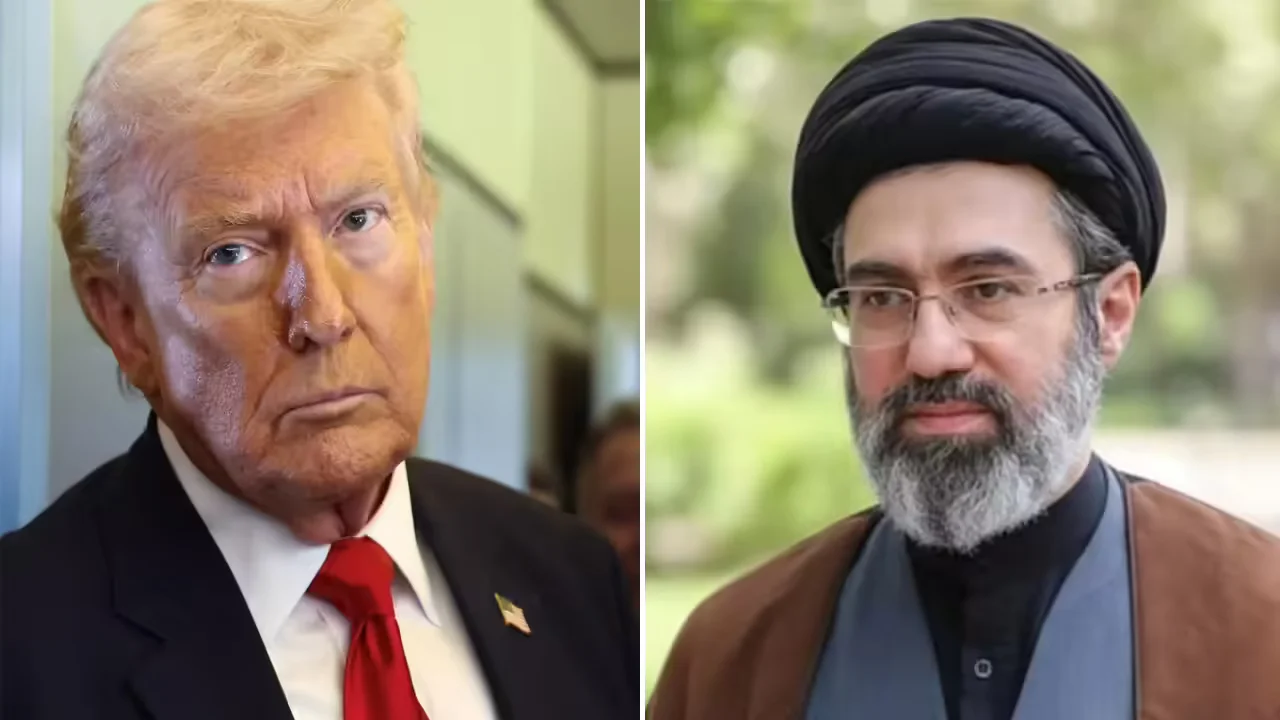
U.S. officials are considering a second round of in-person negotiations with Iran even as a newly imposed American naval blockade targeting Iranian ports remains in force, signaling that diplomacy is continuing alongside rising military pressure.
The potential talks would follow marathon negotiations held earlier this week in Islamabad, Pakistan, where delegations from both countries failed to reach an agreement after more than 20 hours of discussions focused on Iran’s nuclear program and maritime security issues. Despite the setback, officials from both sides are keeping communication channels open and exploring the possibility of another meeting within days.
Pakistan, which mediated the earlier talks, has reportedly offered to host a second round before the expiration of a fragile two-week ceasefire currently limiting direct hostilities between the two countries.
The diplomatic efforts come as the United States continues enforcing a naval blockade restricting vessels entering or leaving Iranian ports, a move intended to pressure Tehran following the collapse of the initial negotiations. Washington says the blockade is aimed at preventing Iran from advancing its nuclear capabilities and forcing progress toward a broader agreement.
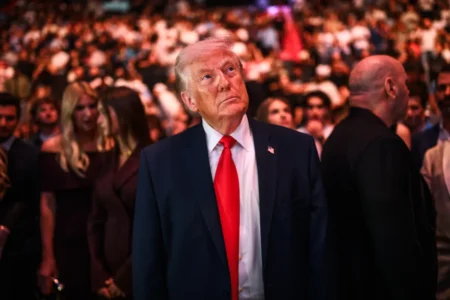
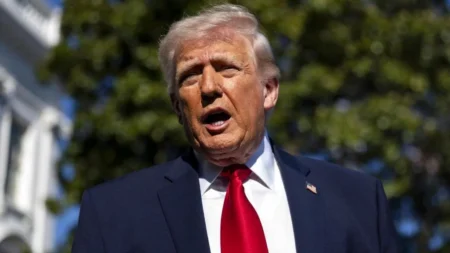
Despite the escalation, President Donald Trump said Iranian officials had reached out expressing interest in continuing negotiations, raising cautious optimism that talks could resume soon.
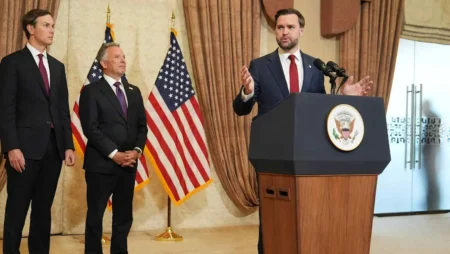
Vice President JD Vance, who led the U.S. delegation during the Islamabad talks, said progress had been made on some issues but acknowledged that significant disagreements remain particularly over uranium enrichment limits and control of shipping routes near the Strait of Hormuz.
Energy markets and regional governments are closely monitoring developments, as tensions around the Strait of Hormuz continue to affect global oil supply expectations and shipping security.
While no formal date has been confirmed for a second round of negotiations, officials say renewed talks remain possible and could prove critical in determining whether diplomacy can prevent further escalation in the conflict.