




Author: Beenish Rida Habib



Credit utilization is one of the most influential yet frequently misunderstood factors in U.S. credit scoring. While many consumers focus on making payments on time, public research shows that how much credit you use relative to your available limits can materially affect credit scores, even when no payments are missed. According to consumer education materials published by the Consumer Financial Protection Bureau (CFPB), utilization is a key indicator of credit risk because it reflects borrowing behavior in real time. High utilization may signal financial strain, while lower utilization generally reflects greater capacity to manage credit. This article provides a neutral,…
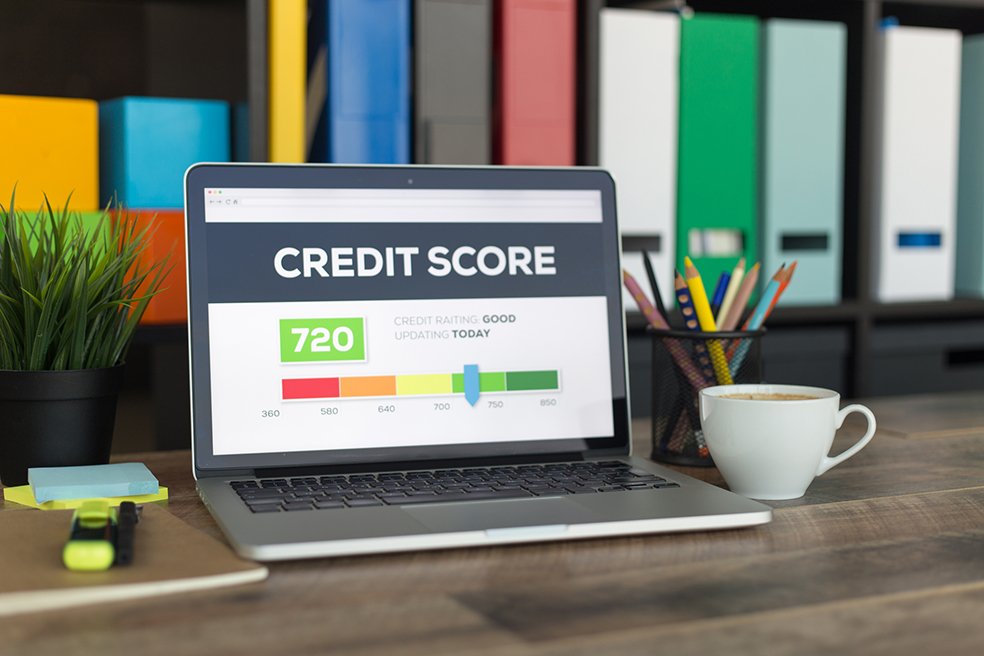
Credit scores play a central role in the U.S. financial system. They influence access to credit, borrowing costs, housing options, insurance pricing, and even employment screening in some cases. Despite their importance, many consumers misunderstand how credit scores are calculated and what they actually represent. According to data published by the Consumer Financial Protection Bureau (CFPB), confusion about credit scoring is widespread, and misconceptions often lead consumers to overestimate the impact of isolated actions or underestimate the role of long-term credit behavior. This article provides a neutral, educational, U.S.-specific, data-based explanation of how credit scores work, what factors influence them,…

Homebuyers hear “Don’t let anyone pull your credit!” all the time—but that advice is incomplete. Some credit checks matter for your mortgage score, and some don’t. The key is knowing the difference between a hard inquiry and a soft inquiry, and how modern credit scoring models treat mortgage rate shopping. In 2026, this topic is more than trivia. Housing affordability is still tight, and small changes in your credit profile can affect pricing and approval outcomes. The U.S. Census Bureau reported that median monthly owner costs for homeowners with a mortgage increased to $2,035 in 2024 from $1,960 in 2023…
Best Credit Monitoring Services for Homebuyers in 2026 Buying a home requires strong financial preparation, and one of the most important factors lenders evaluate is your credit profile. Credit monitoring can be genuinely useful for homebuyers—but only if you understand what it can and cannot do. A good credit monitoring service can alert you to changes on your credit file such as: New accounts opened in your name Hard credit inquiries Address updates Credit utilization changes These alerts help you detect errors or identity theft early. However, credit monitoring cannot guarantee mortgage approval, improve your credit score automatically, or prevent…

Late payments can affect mortgage approval in two connected ways: they impact your credit score and they influence lender underwriting decisions. First, late payments can lower your credit score, which may reduce your chances of approval or increase the interest rate on your mortgage. Second, lenders also evaluate the recency and severity of delinquent payments, even beyond the score itself. Recent or severe late payments can sometimes limit eligibility for certain mortgage programs. In 2026, this issue is especially important because housing affordability is already under pressure. According to the U.S. Census Bureau, the median monthly homeowner cost with a…

Paying off (or paying down) credit cards can increase your mortgage approval odds for two big reasons: It can lower your debt-to-income ratio (DTI) by reducing the minimum monthly payments lenders must count. It can improve your credit utilization, which can help your credit scores—especially if your balances are high relative to your limits. But it’s not always a slam dunk. The same money used to pay off cards could reduce your cash reserves and cash-to-close, and underwriting cares about those too. In 2026, this tradeoff matters more because total housing costs have been rising: the U.S. Census Bureau reported…

Improving your credit score before applying for a mortgage is less about “hacks” and more about targeting the specific credit factors lenders care about most—then giving those improvements time to appear on your credit reports and score models. The good news: several high-impact actions (like lowering credit card utilization and correcting report errors) can sometimes improve your profile faster than people expect. The tradeoff: not every action helps every borrower, and score movement is never guaranteed. In 2026, credit prep matters even more because affordability is tighter. The U.S. Census Bureau reported the median monthly owner costs for homeowners with…

A “required credit score” to buy property in Florida isn’t a single number. It depends on the loan program (FHA, VA, conventional, jumbo), your down payment, debt-to-income (DTI), cash reserves, and payment history. Individual lenders may also add stricter rules beyond the program minimum. The most accurate way to think about the question is: What do major loan programs allow at the low end? What do lenders commonly require in practice to approve and price a loan? How does Florida’s cost environment (home values, insurance, total owner costs) change what score you realistically need to qualify comfortably? Florida’s housing numbers…
Refinancing with “bad credit” in Florida is sometimes possible, but the answer depends on what kind of refinance you’re trying to do (rate/term vs cash-out), what loan you have today (FHA, VA, conventional), and what else your file looks like (equity, income stability, debt-to-income ratio, and most importantly recent payment history). Before deciding to refinance, homeowners should also understand the true cost of refinancing, including lender fees and closing costs. Our guide on how much refinancing costs in Florida explains the full fee breakdown and what borrowers typically pay. If your credit score is limiting your refinance options, improving it…

Florida Mortgage Rate Forecast 2026: What Experts Are Watching Mortgage rates in Florida don’t exist in a Florida-only bubble. They’re priced off national capital markets—especially U.S. Treasury yields and mortgage-backed securities (MBS)—then adjusted for lender risk, borrower profile, and property factors. So when someone searches for a Florida mortgage rate forecast for 2026, they’re really asking: Where are national mortgage rates headed in 2026? What Florida-specific factors could push my quote higher or lower? How should I use forecasts without trying to “time” the market? As of February 12, 2026, the Freddie Mac Primary Mortgage Market Survey (PMMS) reported: 30-year…