




Author: Asim Iftikhar



Property Taxes and Retirement Housing Costs in Florida Housing costs are one of the largest financial expenses for retirees in the United States. Even after a mortgage is paid off, homeowners must continue paying property taxes, insurance, maintenance costs, and utilities. For older homeowners living on fixed retirement income, property taxes can represent a significant financial burden. This is especially important to consider when evaluating Property Tax for Investment Properties in Florida, where tax obligations can impact overall returns and long-term affordability. Across the United States, property taxes generate more than $350 billion annually in revenue, according to government finance…
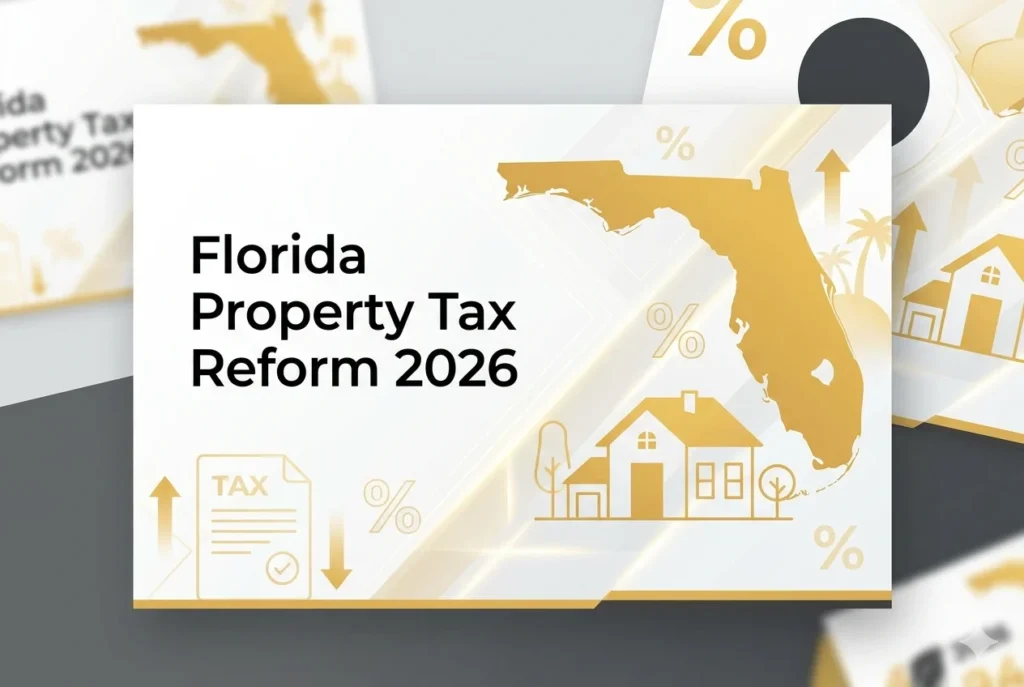
Understanding Property Taxes on Investment Properties in Florida Property taxes represent one of the largest recurring operating expenses for real estate investors in the United States. Unlike income taxes, which are based on earnings, property taxes are assessed based on the value of real estate assets and are paid annually by property owners. This makes understanding tax obligations especially important when investing in property in Florida, where rates and regulations can directly impact overall returns. Across the United States, property taxes generate more than $350 billion annually in revenue for local governments, according to data compiled by the U.S. Census…

The Importance of Paying Property Taxes in Florida Property taxes are one of the most significant recurring obligations for homeowners in the United States. Local governments rely heavily on property tax revenue to fund essential services such as schools, infrastructure, police departments, emergency services, and community programs. This is particularly relevant when analyzing Property Tax for Investment Properties in Florida, where tax rates and assessments can directly impact profitability and long-term returns. According to public finance data compiled from the U.S. Census Bureau, property taxes generate over $350 billion annually nationwide, representing one of the largest sources of funding for…
The 70% rule is one of the most widely referenced guidelines in residential real estate investment, particularly in the fix-and-flip sector. For investors researching how to flip houses, this rule serves as a practical starting point for evaluating profitable deals in a competitive market. House flipping involves purchasing a property—often below market value—renovating it, and reselling it at a higher price. When learning how to flip houses in Florida, it’s important to understand that renovation projects include multiple financial variables such as repair costs, financing expenses, and resale values. Because of this complexity, investors rely on simplified formulas to analyze…

Why Property Tax Appeals Matter for Florida Homeowners Property taxes are a major component of housing costs in the United States and represent one of the largest sources of revenue for local governments. According to public finance data compiled by the U.S. Census Bureau, property taxes generate more than $350 billion annually nationwide, funding schools, infrastructure, and essential public services. In Florida, property taxes play an especially important role because the state does not levy a personal income tax. Local governments therefore rely heavily on property tax revenue to support public services. To better understand regional differences, homeowners can review…

Why County Property Tax Rates Matter in Florida Property taxes are one of the most significant recurring costs of homeownership in the United States. Local governments rely heavily on property tax revenue to fund essential public services such as schools, police departments, fire protection, transportation infrastructure, and local government operations. Across the United States, property taxes generate more than $350 billion annually, making them the largest single source of local government revenue. This funding structure is documented through housing finance data compiled by the U.S. Census Bureau and local government fiscal reports. Florida’s property tax system is unique in several…

Why the Florida Homestead Exemption Matters Property taxes are one of the most significant recurring costs associated with owning a home in the United States. Local governments rely heavily on property tax revenue to fund public services such as schools, transportation infrastructure, law enforcement, and emergency services. Across the United States, property taxes generate more than $352 billion annually, making them one of the largest sources of revenue for state and local governments. Florida’s property tax system operates differently from many other states. While Florida does not impose a state income tax, local governments rely heavily on property taxes and…

A Housing Market Transition Year The U.S. housing market enters 2026 in a period of transition rather than crisis. After several years of elevated mortgage rates, limited inventory, and affordability pressures, economists expect moderate improvement rather than a dramatic boom or crash. Several structural forces—interest rates, demographics, inventory constraints, and economic growth—are shaping the outlook for the coming year. In this context, understanding the Florida vs U.S. Housing Market: Key Differences becomes essential for buyers, investors, and analysts. Housing economists at the National Association of Realtors forecast that existing home sales could rise approximately 14% in 2026, supported by slightly…

Florida’s Real Estate Market at a Turning Point Florida has long been one of the most active real estate markets in the United States. Strong population growth, migration from high-cost states, international investment, and favorable tax policies have helped drive housing demand across the state for decades. Between 2020 and 2022, Florida experienced one of the most significant housing booms in the country, with home prices rising rapidly as demand surged and inventory remained historically low. However, the market environment entering 2026 looks different from the pandemic housing boom years. Mortgage rates have risen compared with historic lows, housing inventory…
Why “Housing Crash” Fears Are Increasing After experiencing one of the fastest housing booms in modern history, Florida’s real estate market has entered a period of adjustment. Home prices surged dramatically between 2020 and 2022 due to migration, low mortgage rates, and limited housing supply. However, rising borrowing costs, increasing insurance premiums, and slowing buyer demand have led many observers to ask an important question: Could the Florida housing market crash? A housing market crash typically refers to a rapid and sustained decline in home prices, often accompanied by high foreclosure rates and falling demand. The last major housing crash…