




Author: Asim Iftikhar

 Asim Iftikhar
Asim Iftikhar is a Real Estate Contributor at ACT Global Media, providing educational content on U.S. residential real estate processes, market structure, and consumer awareness. He is a licensed Florida Real Estate Sales Associate (License No. SL3633555) and a commissioned Florida Notary Public (Commission No. HH 709161). This content is for informational purposes only and does not constitute legal, financial, or investment advice. Readers should consult licensed professionals for guidance specific to their situation.
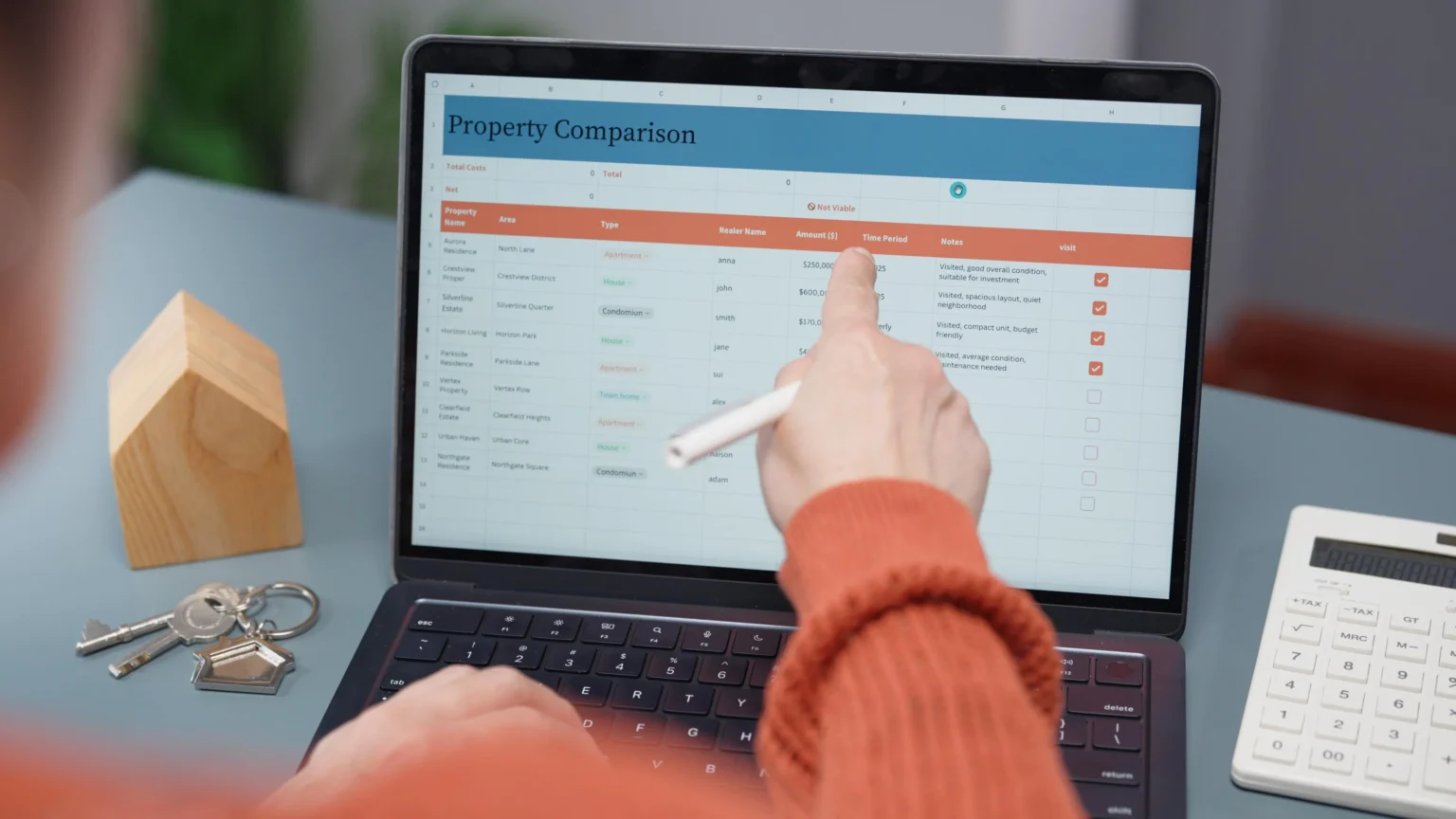
The choice between the 70% rule and the 75% rule is not a matter of preference it is a matter of context. Use the wrong formula for your specific situation and you either overpay for a deal (applying 75% when 70% was correct) or walk away from a deal that would have profited (applying 70% when 75% was justified). On a $350,000 ARV property, the difference between a 70% and 75% ceiling is $17,500 in maximum allowable offer. That $17,500 is the margin between winning the deal and losing it to a competing investor who understood which formula the situation…

Every fix-and-flip investor in Florida eventually runs the 70% rule. Most run it wrong. Not because the math is complicated it isn’t but because the rule was designed for a market where rehab costs were lower, insurance was predictable, and hard money rates hadn’t reached 10% to 13%. Running the standard formula in Florida’s 2026 environment without adjusting the inputs produces offers that look profitable on a spreadsheet and lose money in real life. The 70% rule states that an investor should pay no more than 70% of a property’s after-repair value (ARV) minus the estimated cost of repairs. On…

Short-term rental revenue in Kissimmee averaged $46,000 per active listing over the twelve months through October 2025, according to Airbtics market data, on properties with a median occupancy rate of 67%. That is not a projection or a headline number from a developer’s brochure. It is the aggregate of what hosts in that market actually collected from actual guests, across a market with nearly 2,000 active listings. Florida’s short-term rental market is real, it is substantial, and for investors who pick the right market and the right property, it generates returns that long-term residential rentals in the same state cannot…
Something fundamental has changed about how Floridians shop for homes, and it has almost nothing to do with mortgage rates. Real estate agents across the state now report that buyers routinely request detailed insurance cost estimates before making an offera behavior that was far less common five years ago. In a 2025 market analysis from Naples-based real estate professionals, approximately 45% of first-time buyers had reconsidered purchases specifically due to insurance costs, up from an estimated 35% in 2024. Insurance is no longer a closing-table line item that buyers encounter after they have decided where to live. It is, for…

The man in Okeechobee County who took out a personal loan to pay off his mortgage so he could cancel his insurance policy is not a cautionary tale from the peak of the crisis. He made that decision recently, after his renewal notice arrived at $14,500a figure that exceeded his capacity to pay and left him with a choice between coverage and financial survival. He chose survival, accepting total financial exposure for a home he built himself with his late wife. He is one of thousands. Florida’s average annual home insurance premium reached $8,292 in 2025, an 18% increase from…
A warehouse supervisor in Lakeland earning $53,000 a year sits at a specific intersection that most economic reporting on Central Florida misses entirely. He earns above Polk County’s median household income of approximately $63,644, per U.S. Census Bureau ACS data. His county’s Florida Price Level Index score of 97.06 makes it technically more affordable than Orange County, where the index reaches 103 or above. On paper, he and his family should be fine. In practice, the $266,500 median home value in Polk Countywhich has risen 11% in a single year per Data USA’s 2024 analysishas outpaced the 3.4% wage growth…

Roughly 113,400 workers in Orange County earn below $15 per hour, according to the Florida Policy Instituteapproximately 13 percent of the county’s total workforce. That figure is not a poverty statistic. It is a description of Orlando’s theme park ticket-takers, hotel housekeepers, fast food workers, and hospitality service staff: the people whose labor makes Orlando function as one of the world’s most visited destinations. At $14 per hourFlorida’s minimum wage effective September 2025a full-time worker earning exactly that takes home approximately $29,120 before taxes annually. The MIT Living Wage Calculator places the minimum annual income needed for a single adult…

Somewhere between the headlines that make Florida homeownership sound permanently out of reach and the promotional content that tells every renter they can buy tomorrow with no money down, there is a truthful answerand it depends almost entirely on where in Florida you are looking, what your military or employment status is, and whether you are one of the buyers whose specific profile still maps to a viable pathway. The first-time buyer market share reached a 43-year low of 24% in 2024, per the National Association of Realtors. That number tells an accurate story about the majority. It does not…

The picture of the typical approved mortgage borrower has shifted so dramatically over the past five years that it now tells a different story about housing in Florida than almost any other data set can. In Q1 2025, the median credit score for a purchase loan reached 772, according to Federal Reserve Bank of New York mortgage originations dataa figure that would have been considered exceptional even among well-qualified buyers a decade ago. It is now the midpoint. Half of approved borrowers in America score above it. That statistic has a specific implication for working Floridians. The national average credit…
Self-Employment, Appraisals, and Income Documentation Twelve years after starting his residential painting company in Sarasota, Carlos earned $118,000 last year. He has zero late payments, a credit score of 714, and $35,000 in savings. When he applied for a mortgage on a $340,000 home, the underwriter calculated his qualifying income at $62,000 because that is what his two most recent tax returns show after legitimate business deductions. Under conventional lending guidelines, $62,000 in qualifying income supports a purchase price well below $300,000. Carlos is not a credit risk—he is a documentation risk, and that is an entirely different problem. This…