




Author: Asim Iftikhar



Fix-and-flip real estate investing involves purchasing a property, renovating it, and reselling it for a profit within a relatively short time frame. While the investment model appears straightforward, one of the most critical components of a successful flip project is access to financing. Real estate renovation projects require capital for several purposes: property acquisition renovation and construction expenses holding costs such as insurance and taxes transaction costs at resale. Because many investors do not have sufficient cash to fund multiple projects simultaneously, financing plays a central role in the house-flipping ecosystem. The scale of fix-and-flip activity highlights the importance of…
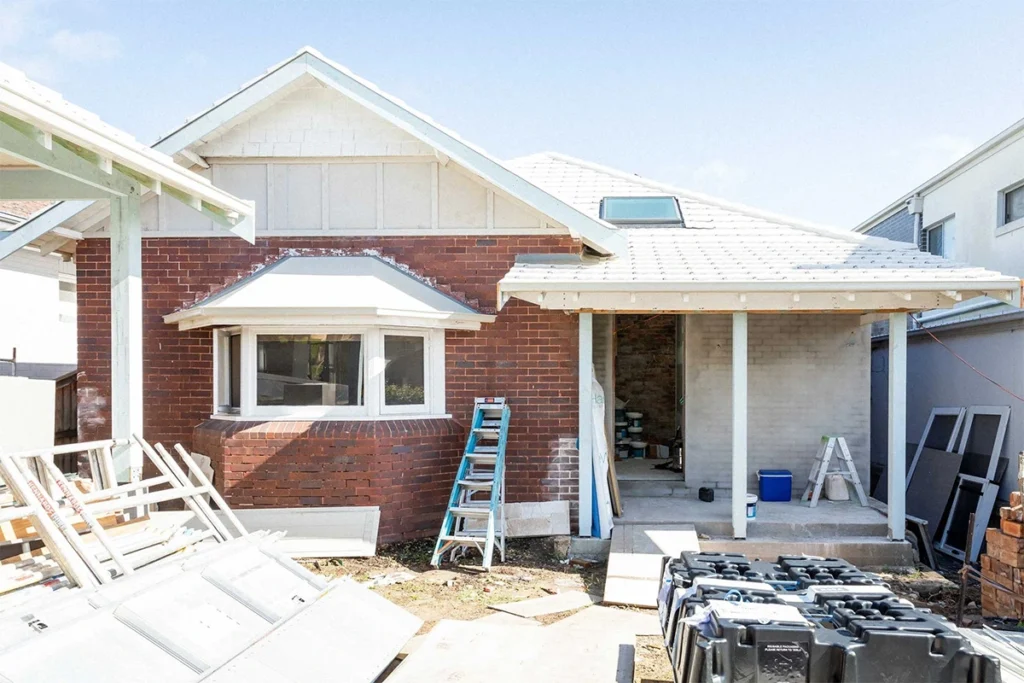
Estimating renovation costs accurately is one of the most critical steps in real estate investment analysis, especially when evaluating real estate properties in Florida. Whether a property owner is planning a home improvement project or an investor is assessing a fix-and-flip opportunity, understanding renovation expenses helps determine whether a project is financially viable. Renovation spending represents a major component of the U.S. housing economy. According to the Joint Center for Housing Studies at Harvard University Joint Center for Housing Studies, total expenditures on home improvements and repairs exceeded $600 billion annually in the United States, reflecting sustained demand for housing…
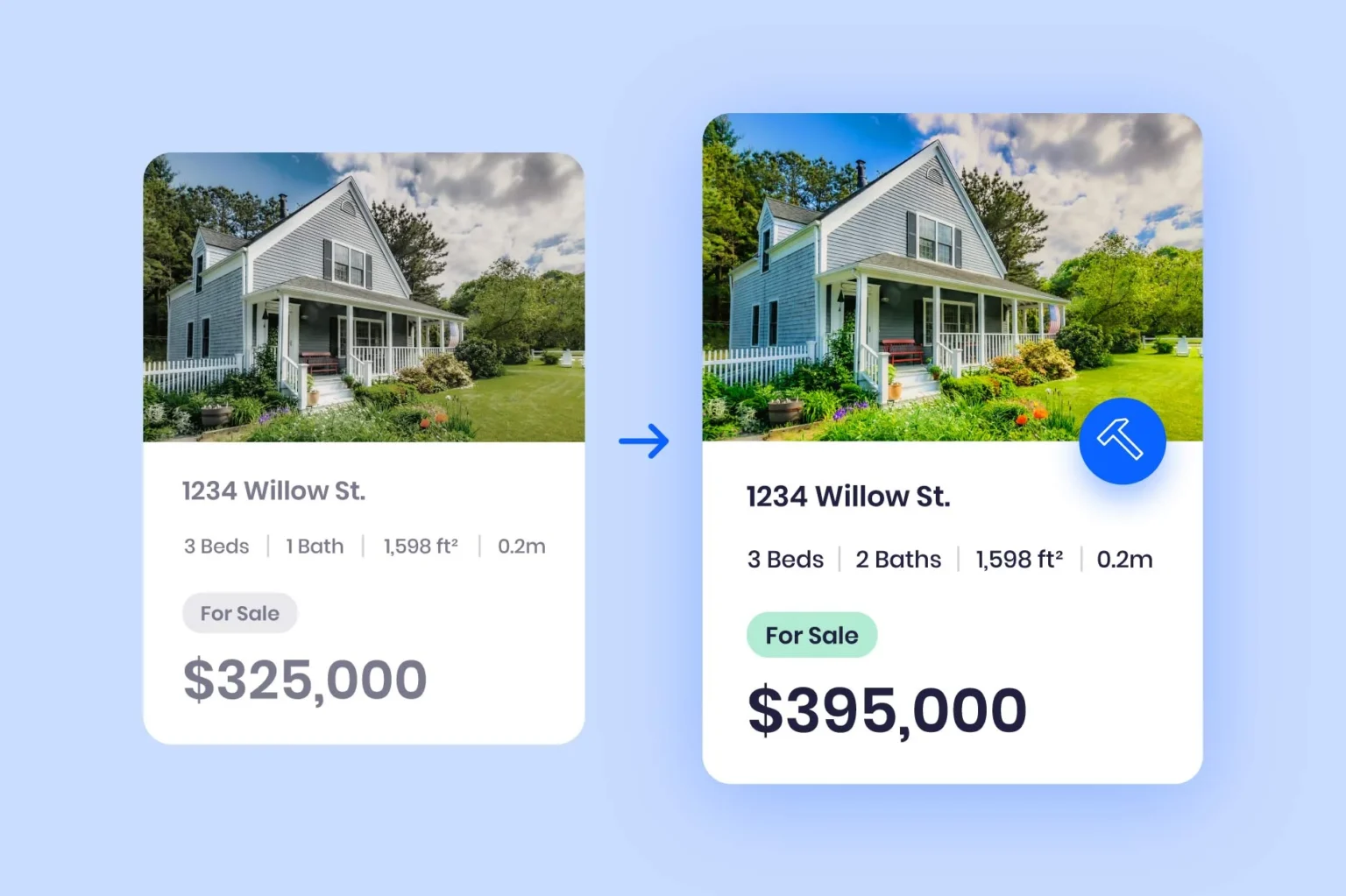
After Repair Value (ARV) is one of the most important metrics used in real estate investment analysis. Investors, lenders, appraisers, and property developers rely on ARV to estimate what a property might be worth after renovations or improvements are completed. In practical terms, ARV represents the future market value of a property in its improved condition, rather than its value in its current state. The concept is widely used in several areas of the real estate properties in Florida, including: fix-and-flip investing property redevelopment renovation lending real estate appraisal investment property financing. Accurately estimating ARV can determine whether a real…

Capital Gains Taxes and Homeownership in Florida For many homeowners, selling a property represents one of the most significant financial transactions of their lifetime. Over time, rising real estate prices can generate substantial profits when a home is sold. These profits are known as capital gains. Normally, capital gains from the sale of assets are subject to federal taxes. However, U.S. tax law provides an important exemption for homeowners selling their primary residence. Under Section 121 of the Internal Revenue Code, homeowners can exclude a portion of capital gains from taxation when selling a primary residence if certain requirements are…
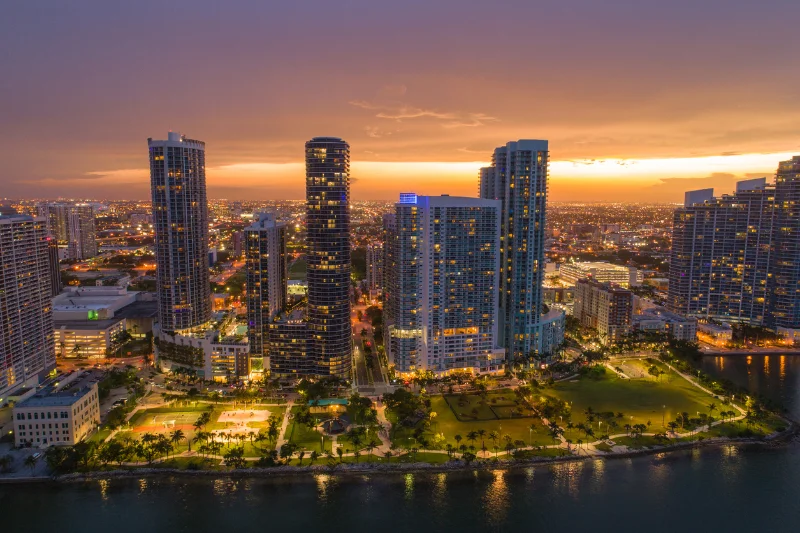
Why Emerging Cities Matter in Real Estate Investment Real estate investment strategies often focus on identifying markets before they fully mature. In Florida real estate, cities experiencing strong population growth, expanding job markets, and infrastructure development frequently become emerging housing markets that attract long-term real estate investment. Florida has become one of the fastest-growing states in the United States, creating numerous emerging real estate markets across the state. According to the U.S. Census Bureau, Florida’s population increased by approximately 8.24% between 2020 and 2024, making it the fastest-growing state in the country during that period. This population growth has been…

Why College Towns Are Popular for Rental Property Investment College towns have long been considered attractive locations for rental property investment. Cities with large universities typically experience consistent demand for rental housing due to steady student enrollment, academic staff, and related economic activity, making them a key focus in the Florida Rental Market 2026. Unlike many traditional housing markets that fluctuate with broader economic cycles, university housing markets often demonstrate greater stability. Each academic year brings a new group of students seeking housing, creating a recurring tenant base for property owners. According to the U.S. Census Bureau and American Community…
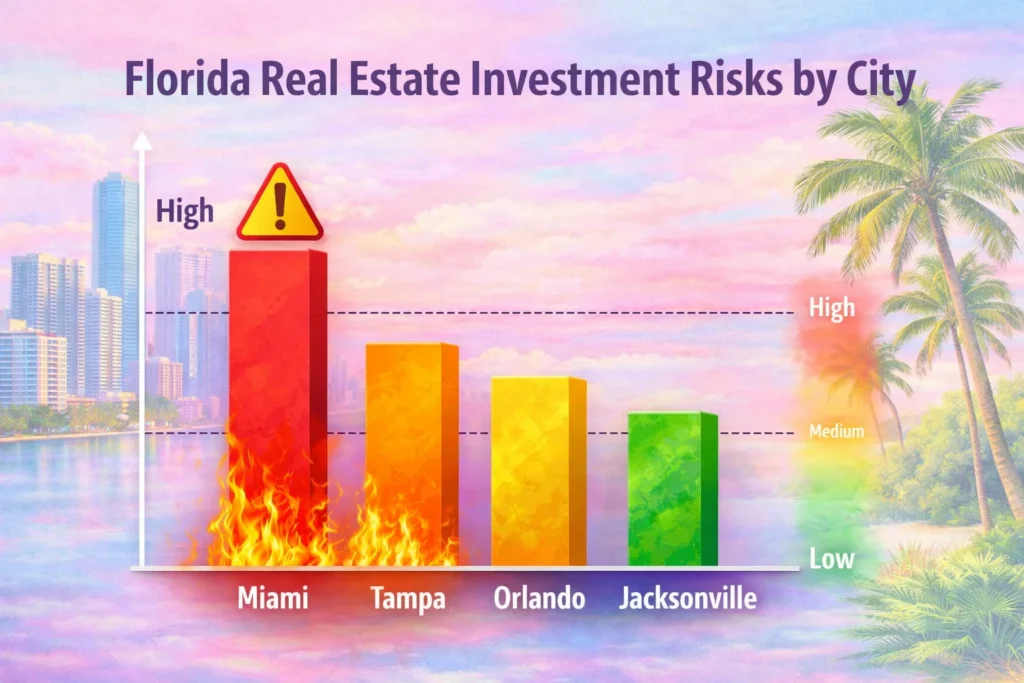
Understanding Real Estate Investment Risks in Florida Florida has long been considered one of the most attractive real estate markets in the United States. Strong population growth, favorable tax policies, warm climate, and expanding employment opportunities have drawn millions of new residents and investors to the state over the past two decades. However, despite strong long-term demand, real estate investment in Florida carries several unique risks that vary by city and region. These risks include: climate and hurricane exposure rising insurance costs housing affordability pressures population migration shifts market volatility and price corrections. Understanding these risks is essential for investors…
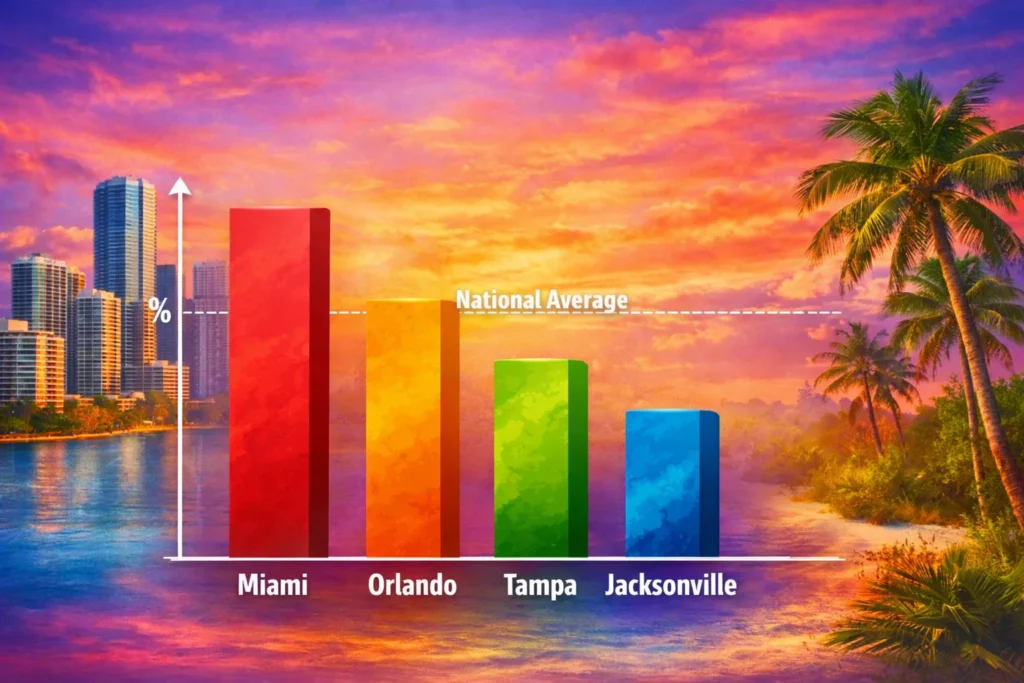
Understanding Cost of Living Differences Across Florida Florida has become one of the fastest-growing states in the United States, attracting new residents from across the country due to its warm climate, employment opportunities, and tax environment. However, while Florida is often perceived as a relatively affordable state, the cost of living varies significantly between cities and regions. Housing costs, rent levels, transportation expenses, healthcare, and household income all contribute to the overall cost of living in a particular location. Recent economic data suggests that Florida’s overall cost of living is about 1% higher than the U.S. national average, although some…

Why Job Market Growth Matters for Housing and Economic Stability Employment growth is one of the most important drivers of economic development and housing demand in the United States. When cities experience strong job creation, they typically attract population growth, increased consumer spending, and higher demand for housing. These trends are frequently highlighted in real estate news in Florida, where rising employment often signals stronger property demand and long-term investment potential. Florida has emerged as one of the most dynamic job-growth regions in the United States during the past decade. Rapid population expansion, business relocation, and economic diversification have helped…
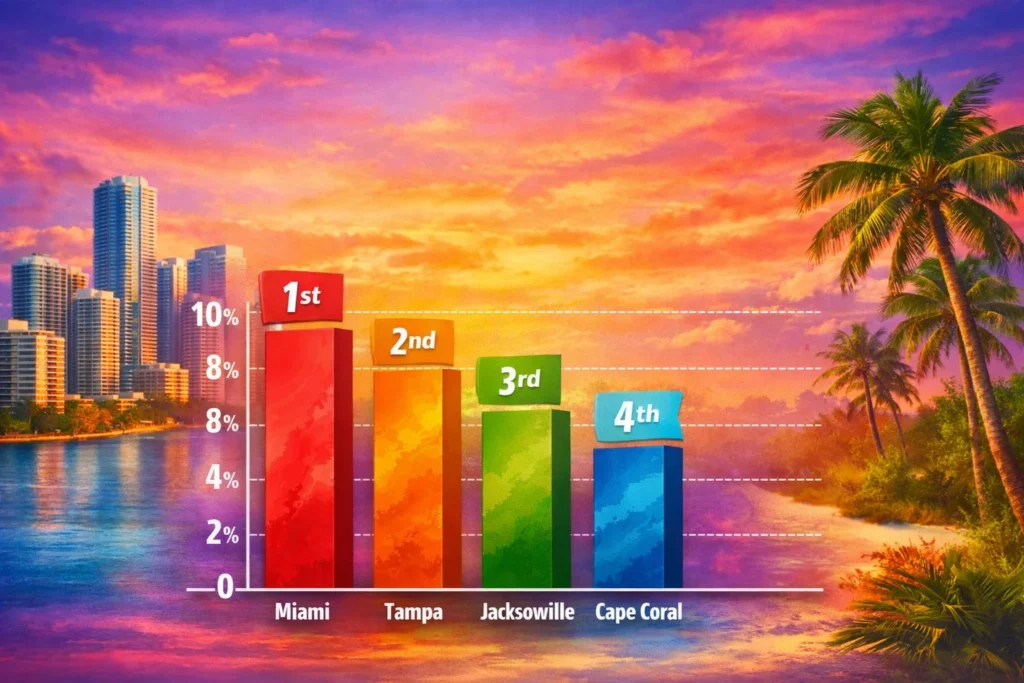
Why Rent Growth Matters in the Florida Housing Market Florida has experienced one of the most dramatic rental housing shifts in the United States during the past decade. Rapid population growth, strong migration flows, and rising home prices have pushed many households toward renting rather than homeownership. Between 2019 and 2023, the state experienced an extraordinary surge in rental costs. According to research from the University of Florida’s Shimberg Center for Housing Studies, the median gross rent in Florida rose from $1,238 in 2019 to $1,719 in 2023, representing a 39% increase in just four years. This sharp growth far…