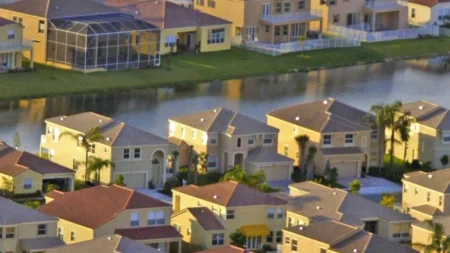



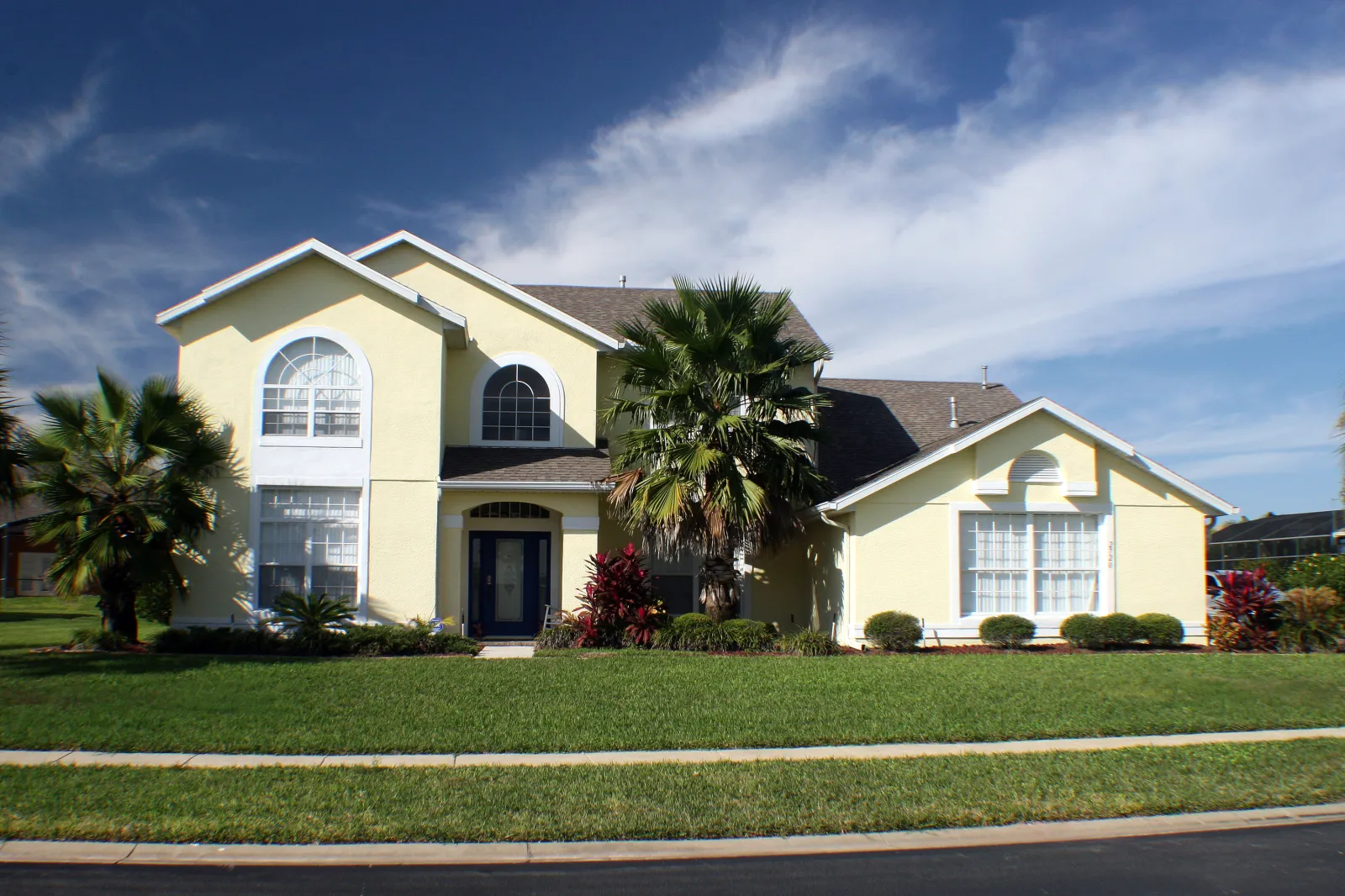
Florida’s housing market showed signs of renewed momentum in March 2026 as both home sales and median prices increased across several major metro areas, signaling what analysts say could be an early shift toward stabilization after months of affordability pressures and slower transaction activity.
According to the latest data released by Florida Realtors, closed sales of single-family homes rose compared with the previous month, while median home prices posted modest gains in multiple regions. Industry observers say the improvement reflects stronger buyer confidence as mortgage-rate expectations begin to stabilize and inventory levels gradually expand across key markets.
Housing economists note that March traditionally marks the start of the spring homebuying season, but this year’s activity is drawing particular attention because it follows a period of elevated borrowing costs that slowed transactions statewide throughout much of 2025. Analysts say even moderate increases in monthly sales activity can signal improving market balance between buyers and sellers.
Population growth continues to play a central role in Florida’s housing demand outlook. Data from the U.S. Census Bureau shows Florida remains one of the fastest-growing states nationally, supporting steady long-term demand for both ownership and rental housing across metro areas such as Miami, Orlando, Tampa, and Jacksonville.
The March increase in median prices suggests that underlying demand remains resilient despite higher financing costs compared with pandemic-era lows. Analysts say limited inventory particularly in entry-level price ranges—continues to support price stability across much of the state. While price growth has moderated compared with earlier peaks, it remains positive in several migration-driven markets.
Mortgage-rate trends remain one of the most important factors shaping buyer activity. Rates tracked by Freddie Mac have stayed near the mid-6% range in recent months, but expectations that borrowing costs could stabilize later in 2026 are encouraging some buyers to re-enter the market. Industry professionals say improved certainty around rate direction often increases confidence among households considering home purchases.
Inventory conditions also improved slightly in March, giving buyers more options than earlier in the year. Economists say gradual increases in available listings can help reduce competition pressure while supporting healthier transaction volume across mid-price housing segments. However, supply remains below long-term historical averages in several Florida regions.
Inflation trends reported by the Bureau of Labor Statistics continue influencing affordability decisions as well. Rising costs for insurance, taxes, and construction materials remain part of the broader housing-expense picture facing buyers across the state. Even so, analysts say steady employment growth and continued migration are helping offset some affordability challenges.
South Florida’s housing market continues to benefit from relocation activity tied to finance, technology, and professional services sectors. Buyers from higher-cost states such as California and New York remain active across coastal markets, supporting price performance in higher-value neighborhoods. Meanwhile, Central Florida markets including Orlando are seeing continued demand from both domestic migrants and workforce households tied to logistics, healthcare, and tourism industries.
Townhome and condominium segments also showed signs of stabilization in March as buyers adjusted expectations around financing conditions and insurance costs. Analysts say attached housing formats are becoming increasingly important entry points into homeownership for first-time buyers priced out of detached single-family markets.
Developers are monitoring the shift closely as well. Improved transaction activity during the spring season often influences construction planning decisions later in the year. Builders say stronger resale activity can signal healthier absorption conditions for newly delivered communities scheduled for completion in late 2026 and early 2027.
Investors are also watching Florida’s housing indicators carefully. Residential real estate in migration-driven states tends to recover earlier than slower-growth markets following periods of elevated interest rates. Analysts say March’s performance suggests Florida could remain among the first major U.S. housing markets to regain momentum if borrowing conditions continue stabilizing.
Looking ahead, economists caution that affordability challenges particularly insurance costs and financing conditions will remain important variables shaping the pace of recovery. However, the combination of rising sales activity, steady pricing, and continued population growth suggests Florida’s housing market may be entering a more balanced phase as the 2026 spring season progresses.