


The ongoing war involving the United States, Israel, and Iran is having ripple effects across the Middle East, with the United Arab Emirates (UAE) emerging as one of the countries feeling the immediate impact despite not being a direct participant in the conflict.
After U.S. and Israeli forces launched strikes on Iranian military targets, Iran responded with retaliatory missile and drone attacks against American assets across the region. Some of these strikes targeted locations in Gulf countries, including the UAE, which hosts military facilities used by the United States and its allies. These attacks have caused casualties and damage in parts of the country, highlighting the risks faced by nations caught in the middle of the escalating confrontation.
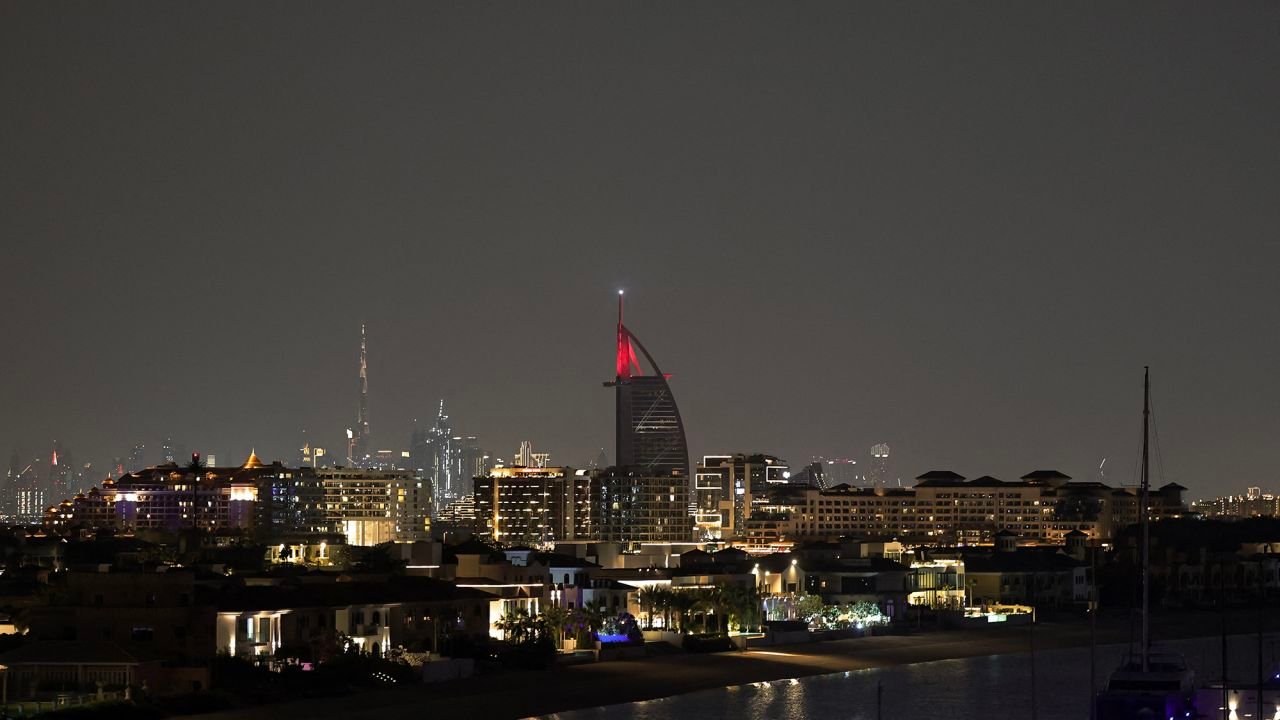
Beyond the security concerns, the conflict is also affecting the UAE’s economy. Dubai’s status as a major global travel hub has come under pressure as airlines reroute flights and travelers grow cautious about visiting the region due to rising tensions and security risks.
Energy markets have also been shaken. The conflict has disrupted shipping through the Strait of Hormuz, a critical waterway that carries about 20% of the world’s oil supply. With tanker traffic declining and facilities temporarily shutting down, oil prices have surged globally, increasing economic uncertainty across the Gulf region.
The UAE also faces diplomatic challenges. Although Gulf states have tried to avoid being drawn into the conflict, their long-standing security partnerships with the United States make them potential targets in Iran’s broader strategy to respond to Western military actions.
Analysts say the situation highlights how regional powers can suffer major economic and security consequences even when they are not the main parties involved in a war.