


The White House is working to arrange possible weekend talks aimed at reducing tensions in the ongoing conflict with Iran, as Washington explores diplomatic options alongside continued military preparations in the Middle East.
According to officials familiar with the effort, the United States has circulated proposals through intermediaries, with countries such as Pakistan and Turkey being discussed as potential venues for negotiations between representatives from both sides. The talks are intended to explore a possible pathway toward de-escalation following weeks of rising confrontation across the region.
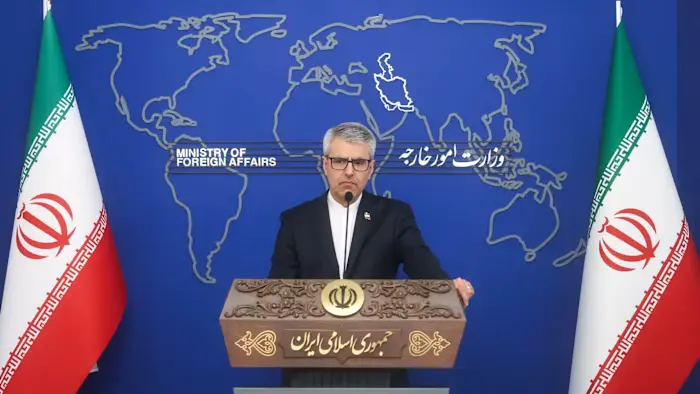
Despite the outreach, Iranian authorities have publicly denied that formal negotiations are currently underway, highlighting the fragile and uncertain nature of the diplomatic process. Still, regional mediators remain engaged in attempts to bring both sides to the table as concerns grow about the risk of a wider conflict.
U.S. officials say the proposed discussions could focus on reducing military escalation, protecting shipping routes in the Strait of Hormuz, and exploring conditions for a temporary ceasefire or broader settlement framework. Analysts note that diplomatic channels often continue quietly even when public messaging from both governments appears confrontational.
European officials have also welcomed efforts to pursue negotiations, stressing that any opportunity for dialogue should be explored while tensions remain high. At the same time, Washington continues reinforcing its military posture in the region as part of contingency planning tied to the evolving conflict.
Markets and regional governments are closely watching whether the weekend talks materialize, as even limited diplomatic progress could help stabilize energy supplies and reduce the risk of further escalation.
While no agreement has been confirmed, the renewed diplomatic push suggests both sides may still be testing options for a negotiated path forward despite continued military signaling and political tensions.