


US warns ships in Strait of Hormuz to avoid Iranian waters as tensions rise. New guidance comes alongside nuclear talks and fresh tariffs, keeping global oil markets on edge.
WEBDESK – Act Global Media
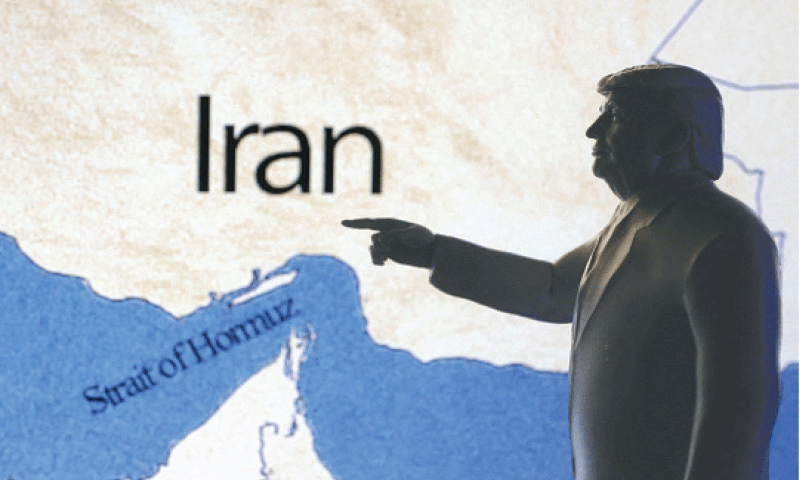
The United States has warned commercial vessels to exercise heightened caution while transiting the Strait of Hormuz, one of the world’s most critical oil chokepoints, amid renewed friction with Iran over its nuclear programme and regional activities.
In updated maritime security guidance, the US Department of Transportation’s Maritime Administration advised US-flagged ships to stay as far away as possible from Iranian territorial waters without compromising safe navigation. Crews were also instructed to verbally refuse Iranian requests to board vessels but not physically resist if boarding occurs.
The advisory comes as Washington fears the risk of harassment or seizure of ships in the narrow waterway linking the Persian Gulf to global markets. Roughly a fifth of the world’s oil trade passes through the strait.
Iran has previously detained tankers and commercial vessels, accusing them of smuggling or violating maritime rules, and has repeatedly warned it could shut the passage during periods of confrontation with Western powers.
Diplomacy and pressure running in parallel
The maritime warning coincides with fragile diplomatic engagement. Tehran said last week that nuclear talks mediated by Oman had begun positively and would continue, raising cautious hopes of de-escalation.
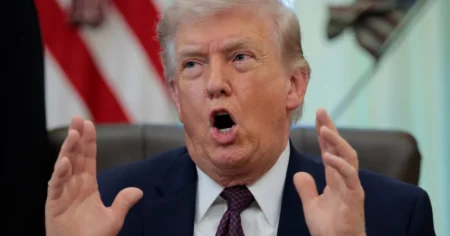
However, the United States is simultaneously tightening economic pressure. President Donald Trump recently signed an executive order imposing a 25% tariff on imports from any country that directly or indirectly buys Iranian goods — a move analysts say targets Iran’s oil customers.
Washington also wants negotiations to address Iran’s ballistic missile programme, support for armed groups across the Middle East, and human rights concerns — demands Tehran has historically resisted.
Energy markets on alert
The Strait of Hormuz remains a geopolitical flashpoint where even minor incidents can shake global energy markets. Shipping companies and insurers typically raise premiums and reroute vessels during periods of heightened tension.
While talks continue, maritime security experts say the dual track of diplomacy and pressure means the risk of miscalculation remains high — especially in crowded waters patrolled by Iranian naval forces and Western military fleets.
Any disruption in the corridor could rapidly affect oil prices worldwide and intensify instability across the Middle East.