




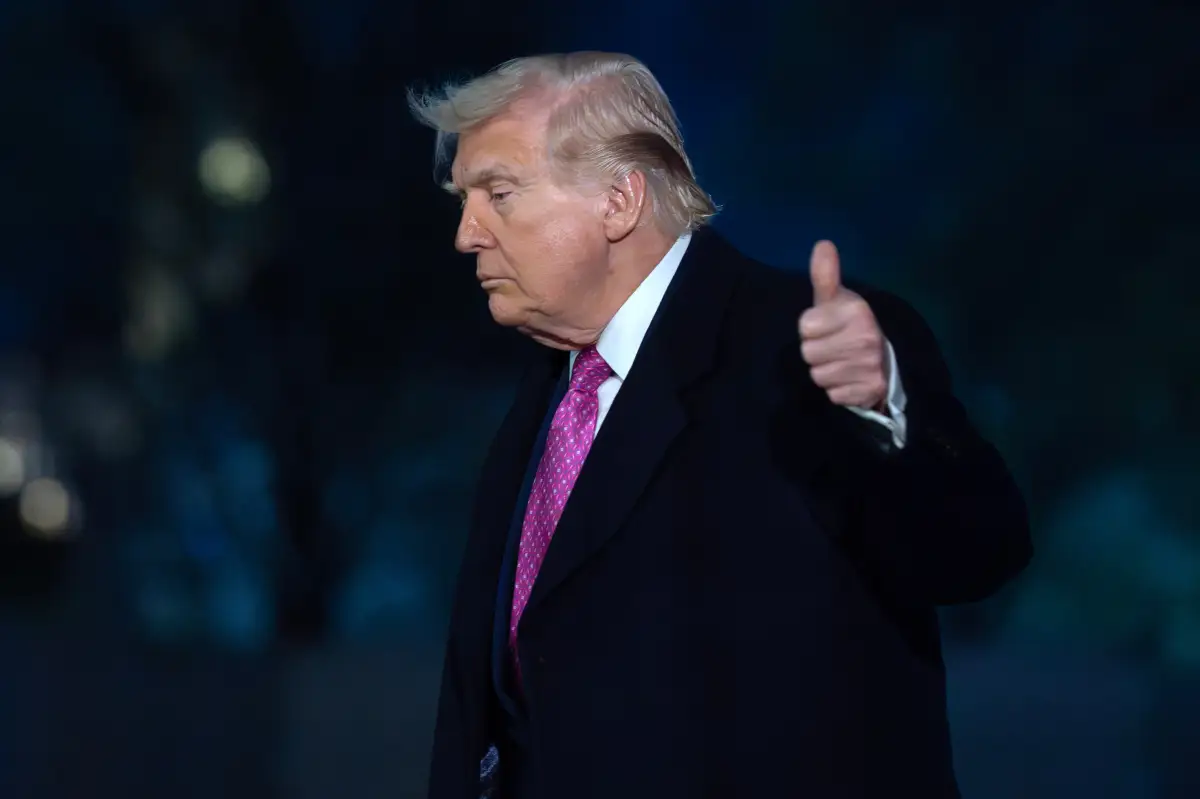
Gasoline prices across parts of the United States have surged to around $4 per gallon, raising fresh concerns among consumers and businesses as energy markets react to shifting policy signals and geopolitical uncertainty. The price increase comes after former President Donald Trump publicly urged other countries to rely less on American energy support and instead “go get your own oil,” a statement that has sparked debate about future U.S. energy strategy.
Energy analysts say the remarks reflect a broader shift toward prioritizing domestic supply stability over global commitments. While the United States remains one of the world’s top oil producers, tightening inventories, refinery maintenance cycles, and seasonal demand increases have also contributed to higher pump prices in recent weeks.
Trump’s comments were widely interpreted as a signal that future policy could emphasize national energy independence and reduced involvement in stabilizing international oil markets. Supporters argue such an approach could strengthen domestic industries and protect U.S. resources, while critics warn it may increase volatility in global energy prices and strain relations with key allies.
Drivers across multiple states are already feeling the impact, with transportation costs rising and concerns growing over potential ripple effects on food and shipping expenses. Economists caution that sustained fuel price increases could place additional pressure on inflation if the trend continues into the summer travel season.
Meanwhile, energy producers are watching market signals closely, as higher prices often encourage increased drilling activity. However, production expansion typically takes time, meaning consumers may continue facing elevated costs in the near term.
As policymakers debate the direction of U.S. energy priorities, the latest price spike highlights how political messaging, supply expectations, and global demand remain tightly linked in shaping fuel costs at home and abroad.