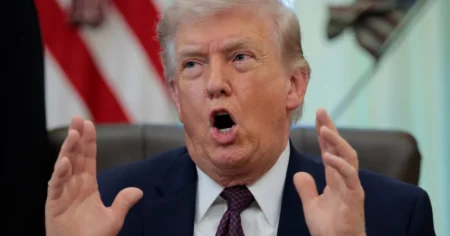



U.S. President Donald Trump has sharply criticized several allied nations for declining his past requests to contribute more support toward securing the strategically vital Strait of Hormuz, one of the world’s most important energy shipping corridors.
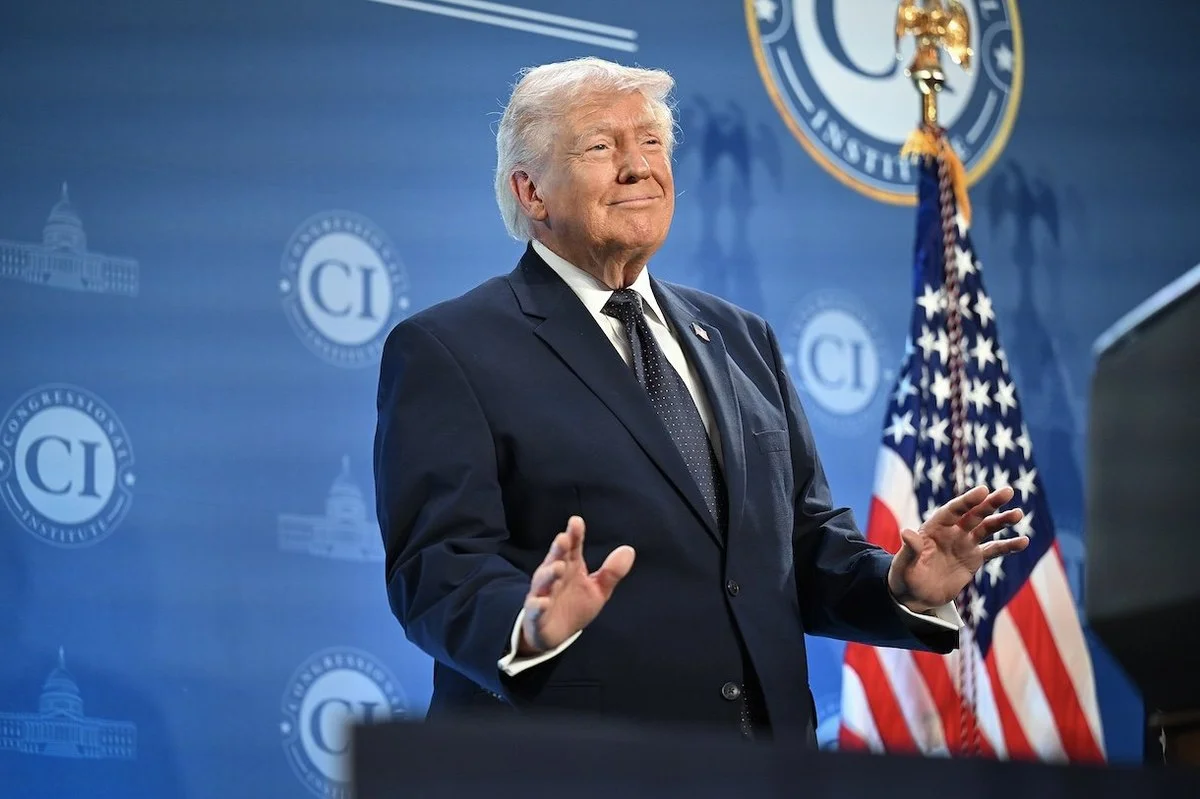
Speaking at a recent political event, Trump argued that U.S. allies benefited from the protection of global trade routes while contributing too little to the security efforts designed to keep them safe. The Strait of Hormuz, located between Iran and Oman, serves as a critical passageway through which a large portion of the world’s oil supply travels each day.
Trump claimed that during his administration he urged partner nations, particularly those heavily dependent on Middle Eastern oil, to take a more active role in safeguarding maritime traffic in the region. He argued that American taxpayers should not bear the majority of the cost of maintaining security in a corridor that benefits many other countries.
The comments revived debate about burden-sharing among Western allies and partners involved in international security operations. During Trump’s presidency, the U.S. repeatedly called for multinational cooperation to protect commercial shipping in the Gulf after a series of tensions and tanker incidents raised concerns about regional stability.
Several allies at the time expressed caution about joining expanded patrol operations, preferring diplomatic approaches to de-escalate tensions with Iran. Analysts say the issue highlights ongoing disagreements between the United States and some partners about how best to balance military deterrence with diplomacy in the Middle East.
The Strait of Hormuz remains one of the most sensitive geopolitical chokepoints in global trade. Any disruption to shipping in the area could have immediate effects on oil prices and energy markets worldwide, making security in the region a continuing priority for governments and international shipping companies.