


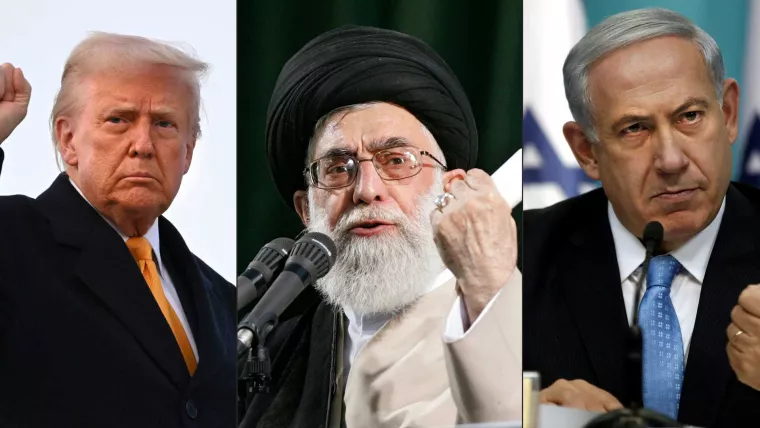
In the wake of coordinated military strikes by the United States and Israel against Iran, former U.S. President and current commander-in-chief Donald Trump explicitly called for regime change and urged ordinary Iranians to overthrow their government in a dramatic escalation of rhetoric.
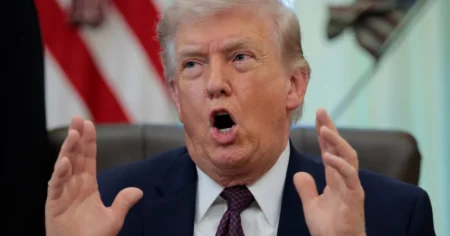
In a video message released after the joint offensive, Trump described the strikes dubbed “major combat operations” as aimed not only at degrading Tehran’s military capabilities but also creating conditions for political transformation. He said that Iranians should “take over your government” once the military phase concludes, positioning the campaign as a unique opportunity for citizens to seize control of their country’s future.
The strikes, which targeted military infrastructure and leadership sites, followed years of mounting tension over Iran’s nuclear program, ballistic missile development, and alleged support for regional militant groups. Trump framed the operation as necessary to counter what he described as ongoing threats and to support the Iranian people in reclaiming their destiny.
Iran responded forcefully, launching missiles at U.S. and Israeli assets across the Middle East, while its leadership condemned the attacks as violations of national sovereignty. Regional allies and global powers have reacted with alarm, calling for restraint and warning of a wider conflagration.
Analysts say Trump’s call for regime change marks a notable shift in U.S. strategy, contrasting with previous American approaches that focused on sanctions or containment rather than direct encouragement of internal political upheaval. Some critics argue the rhetoric risks drawing the U.S. into a prolonged conflict without a clear exit strategy, echoing concerns from past Middle East engagements.
The situation remains highly fluid, with continued military operations and diplomatic efforts unfolding as tensions escalate across the region.