


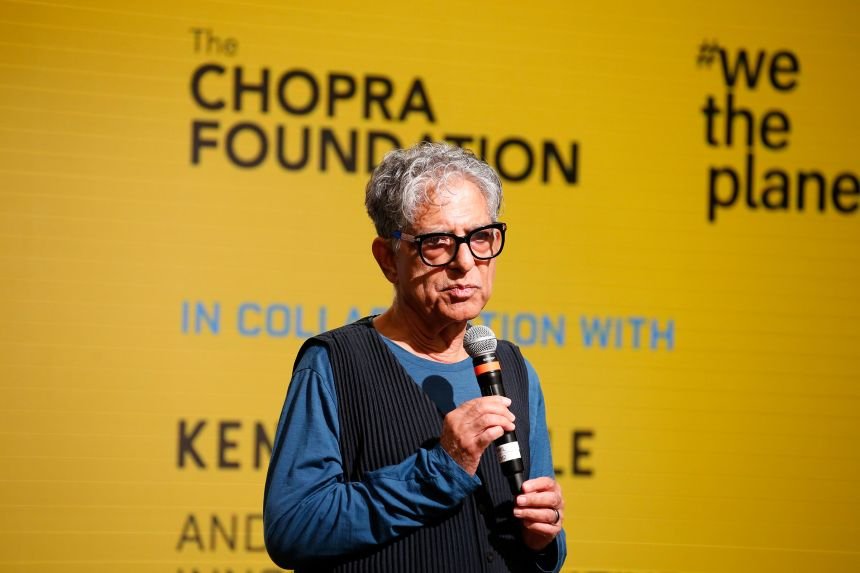
Newly surfaced messages connected to the Jeffrey Epstein case have revealed previously undisclosed communications involving author and wellness figure Deepak Chopra, drawing renewed public attention to individuals who interacted with the late financier.
According to documents referenced in court filings, the correspondence included a request asking Epstein to bring “your girls” on travel arrangements. The wording has sparked online debate and widespread discussion about the nature of relationships surrounding Epstein prior to his 2019 arrest and death while awaiting trial on federal trafficking charges.
Legal experts stress that appearing in communications does not in itself indicate criminal wrongdoing. Investigators typically evaluate context, timing, corroborating testimony, and documented actions before determining whether any laws were broken. In prior document releases tied to the case, numerous public figures were mentioned without facing accusations or charges.
Advocates for victims say continued disclosures highlight the need for transparency and accountability while also urging caution against speculation. They argue the primary focus should remain on proven offenses and institutional failures that allowed abuse to occur, rather than assumptions drawn from incomplete records.
Authorities and researchers also warn misinformation often spreads rapidly after document releases, as online discussions attempt to interpret complex legal material without full context. Courts continue to unseal records in stages, meaning additional details may still emerge through formal proceedings.
The newly referenced communications add another layer of scrutiny to Epstein’s social network. However, legal responsibility ultimately depends on verified conduct established through investigations and judicial findings not merely association or mention in documents.