



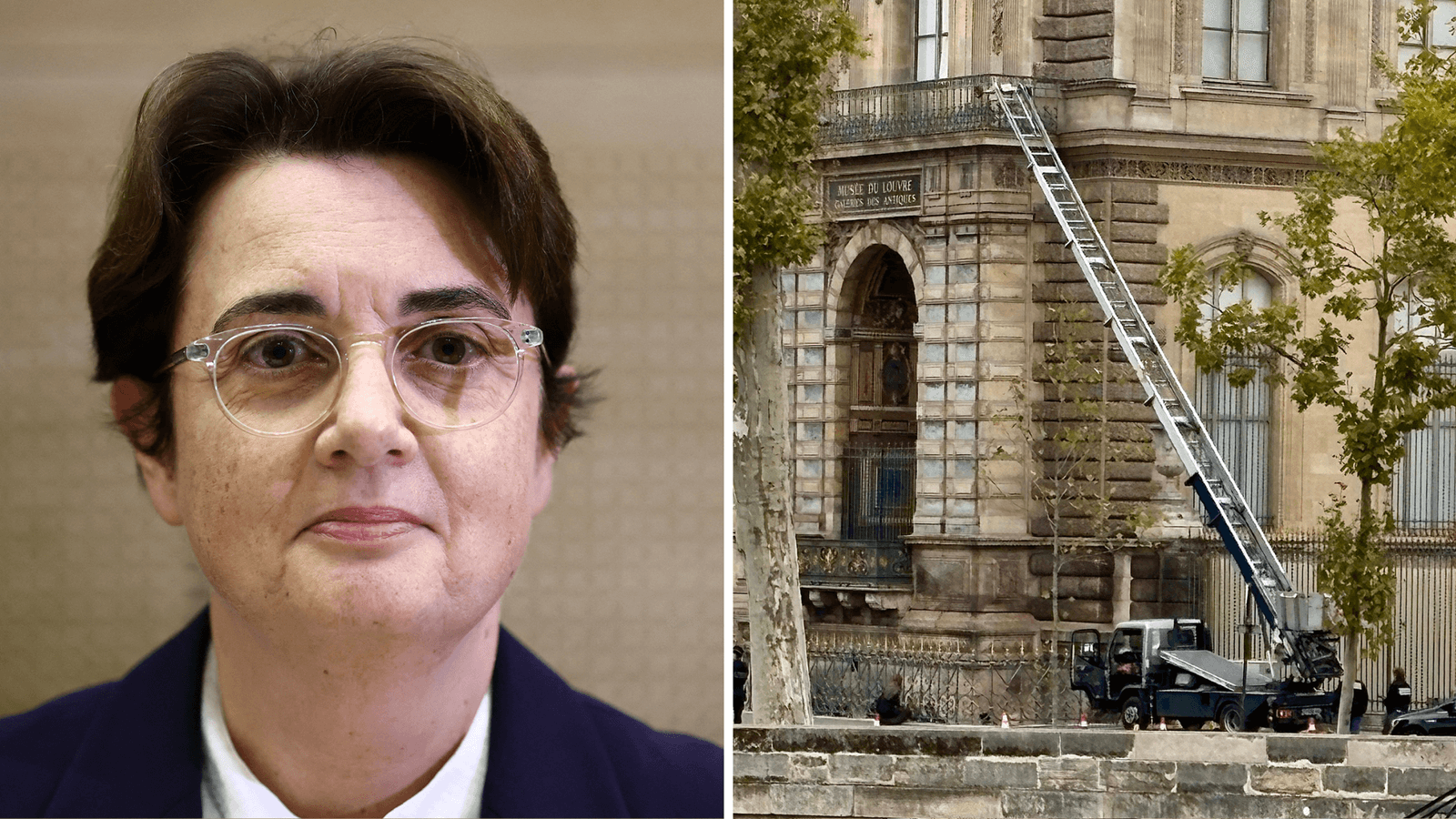
The director of the Louvre Museum has resigned following mounting pressure linked to what investigators and media outlets are calling the “heist of the century,” a security breach that shocked the global art world and raised serious questions about museum protection standards.
Officials say the incident involved the disappearance of several high-value artifacts under circumstances that suggested careful planning and insider knowledge. Authorities have not publicly disclosed every detail of the theft, but early findings indicate the perpetrators may have exploited routine operations, staff access protocols, and blind spots within surveillance systems.
French cultural authorities confirmed that a formal criminal investigation is underway, involving national police and specialized art-crime units. Investigators are reviewing security logs, staff movements, and digital access records, while international agencies have been alerted in case the items are trafficked across borders.
In a brief statement, the outgoing director acknowledged “institutional responsibility” and said stepping down was necessary to protect the museum during the investigation. The French Ministry of Culture has appointed an interim administrator and announced an immediate review of security procedures across major museums in the country.
Art historians warn that stolen works are often difficult to sell openly but may circulate through private collectors or underground markets for years. Experts say rapid international coordination will be critical to recovering the missing pieces before they disappear into hidden collections.
The Louvre remains open to visitors, though certain galleries have been temporarily closed while authorities conduct forensic examinations.
The case has sparked a broader debate about museum security in an era where priceless cultural heritage faces increasingly sophisticated criminal networks.