



Israel has resumed large-scale military strikes against Iran, escalating tensions in the Middle East and sending global oil prices sharply higher. The renewed attacks reportedly targeted Iranian military infrastructure and energy facilities, raising fears of a wider regional conflict and disruptions to global energy supplies.
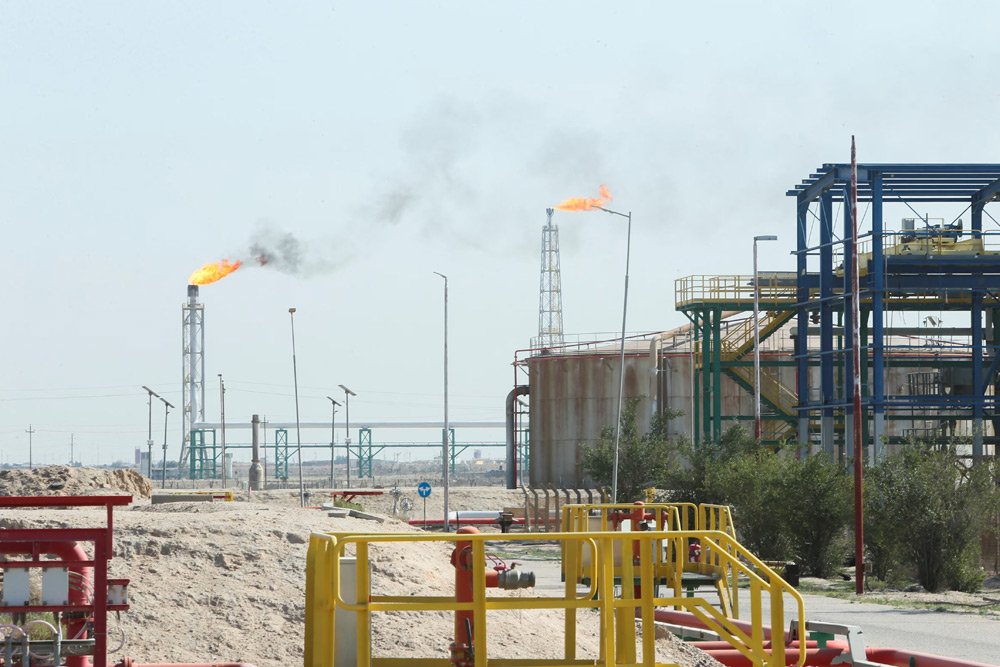
Explosions and fires were reported near several oil storage sites and refineries around Tehran following the latest strikes. Thick smoke was seen rising from damaged facilities as emergency teams responded to the incidents. The attacks mark another major escalation in the ongoing conflict between Israel and Iran, which has already led to retaliatory missile and drone strikes across the region.
The intensifying conflict has had an immediate impact on global energy markets. Oil prices surged sharply, with Brent crude briefly climbing to nearly $120 per barrel, the highest level since 2022, amid fears that supply routes could be disrupted.
One of the biggest concerns for markets is the security of the Strait of Hormuz, a critical shipping route that handles roughly 20% of the world’s oil supply. Any disruption to this passage could significantly affect global energy availability and push prices even higher.
Iran has warned that continued strikes on its infrastructure could send oil prices soaring to $200 per barrel and has threatened further retaliatory attacks on regional energy facilities.
Meanwhile, global leaders are closely monitoring the situation. Finance ministers from the G7 nations are considering emergency measures, including the possible release of strategic oil reserves, to stabilize energy markets and reduce economic shocks caused by the conflict.
Analysts warn that if the fighting continues or spreads to additional countries, the economic consequences could be severe, affecting fuel prices, inflation, and global trade.