



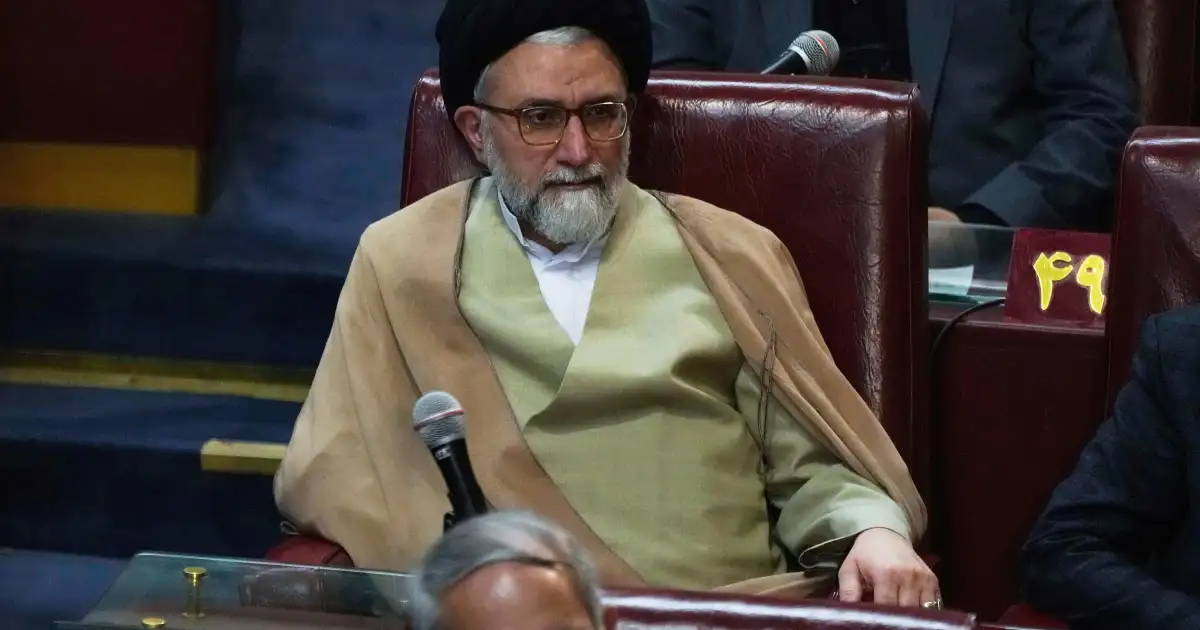
Israel has reportedly killed Iran’s Intelligence Minister, Esmaeil Khatib, in a targeted overnight airstrike, marking one of the most significant escalations in the ongoing conflict between the two regional powers. Iranian officials have confirmed the killing, making Khatib the latest high-ranking figure eliminated in a rapidly intensifying campaign against Iran’s leadership.
The assassination is part of a broader Israeli strategy aimed at dismantling Iran’s political and military command structure. Khatib’s death comes just days after the killings of other senior figures, including top security official Ali Larijani and Basij militia commander Gholamreza Soleimani. Analysts say these coordinated strikes demonstrate deep intelligence penetration and a shift toward direct targeting of Iran’s leadership.
Israeli officials have indicated that the military has been granted expanded authority to continue targeting senior Iranian leaders without requiring additional approvals. This signals a potentially prolonged campaign focused on weakening the core of Iran’s governing and security apparatus.
In response, Iran has launched missile and drone attacks on Israeli territory and across parts of the Gulf, further escalating tensions in an already volatile region. Civilian casualties have been reported, and critical infrastructure, including energy facilities, has come under threat.
The conflict, now entering its third week, has already resulted in thousands of casualties and severe geopolitical consequences. Global oil markets have been disrupted, with key shipping routes such as the Strait of Hormuz affected, raising concerns about energy supply and economic stability worldwide.
Observers warn that the continued targeting of senior officials could push the conflict toward a broader regional war, with unpredictable consequences for the Middle East and beyond.