


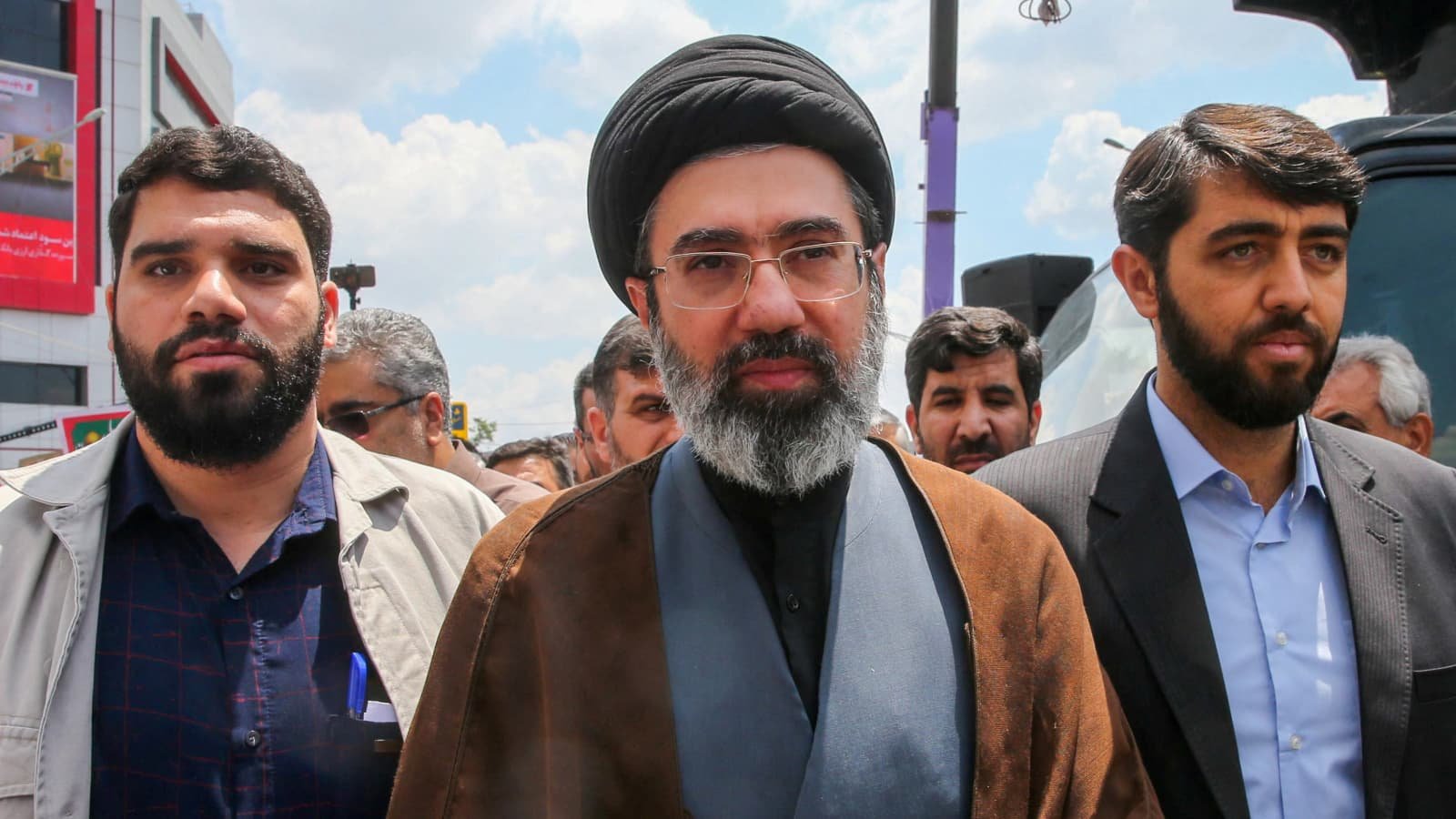
Iran’s newly appointed supreme leader, Ayatollah Mojtaba Khamenei, has declared that the strategically vital Strait of Hormuz will remain closed, according to his first reported message to the public since assuming power amid escalating regional tensions.
The statement, broadcast through Iranian state media, signals a continuation of Tehran’s hard-line stance in the ongoing conflict involving the United States and Israel. Khamenei described the closure of the strait as a “tool of pressure” against Iran’s adversaries and warned that foreign military bases in the region could face further attacks.
The Strait of Hormuz, located between Iran and Oman, is one of the world’s most critical maritime chokepoints. Roughly one-fifth of global oil and liquefied natural gas shipments pass through the narrow waterway, making any disruption a major concern for international energy markets and global trade.
Khamenei assumed leadership earlier this month after the death of his father, longtime supreme leader Ali Khamenei, during the escalating regional conflict. Iran’s Assembly of Experts confirmed Mojtaba Khamenei as the country’s third supreme leader on March 9.
In the message, the new leader emphasized Iran’s commitment to resisting foreign pressure and pledged to retaliate for attacks against Iranian territory and interests. Analysts say the remarks suggest Tehran is unlikely to ease its military posture anytime soon.
The closure of the Strait of Hormuz has already intensified fears of a global energy supply shock, with oil prices rising sharply as shipping routes remain uncertain. Governments and energy companies worldwide are closely monitoring developments, warning that prolonged disruption could affect fuel supplies, shipping costs, and broader economic stability.
Diplomatic efforts to de-escalate the crisis have so far made little progress, leaving the international community concerned about the potential for a wider regional confrontation.