



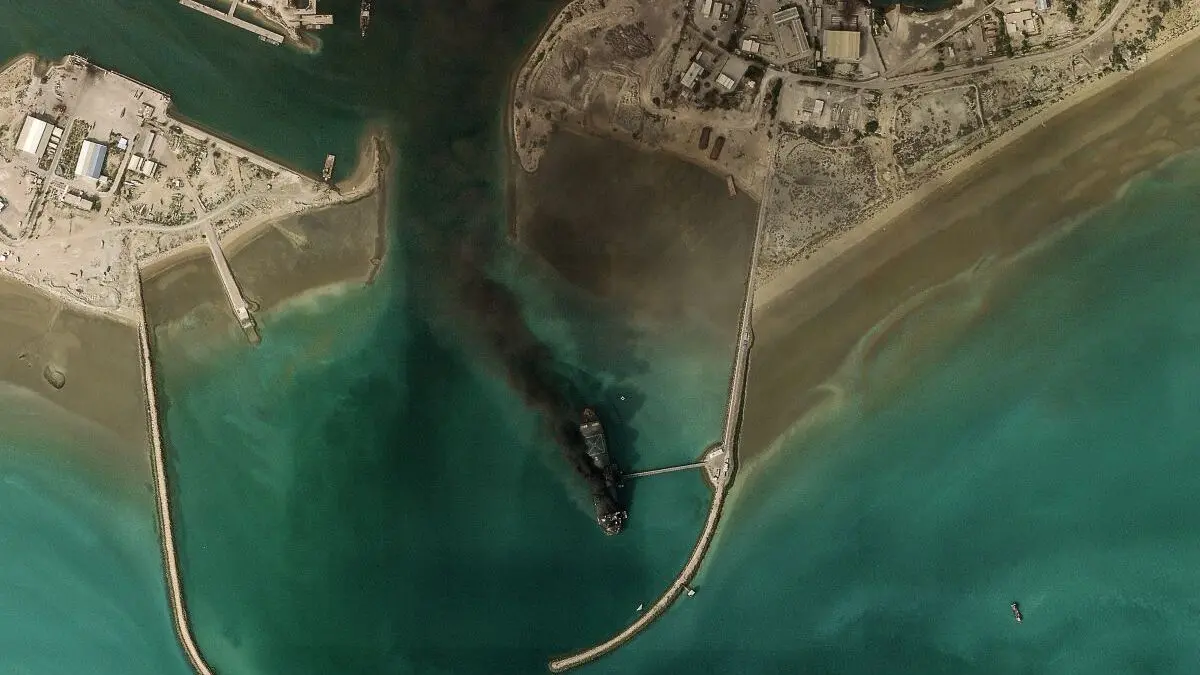
Iran’s military has warned that the strategically critical Strait of Hormuz would be “completely closed” if the United States carries out airstrikes on Iranian power plants, escalating tensions in an already volatile regional conflict.
In statements carried by Iranian state media, senior military officials said any direct attack on key domestic infrastructure would trigger a decisive response affecting global energy transit routes. The Strait of Hormuz is one of the world’s most important maritime chokepoints, handling roughly one-fifth of global oil shipments each day.
Iran’s warning comes amid growing fears of a broader confrontation involving U.S. forces and regional allies following recent strikes and counter-strikes across the Middle East. Analysts say any disruption to shipping through the narrow waterway could immediately impact oil markets, increase shipping insurance costs, and raise the risk of a wider economic shock.
Washington has not confirmed plans to target Iranian energy infrastructure but has maintained that it will act to protect its forces and partners in the region if necessary. U.S. officials have repeatedly stressed their commitment to keeping international shipping lanes open.
Security experts note that Iran has previously threatened to restrict access to the Strait of Hormuz during periods of heightened tension, though a full closure would represent a major escalation with global consequences. Several naval forces from Western and regional countries continue to patrol nearby waters to ensure maritime safety.
Energy markets are already reacting cautiously to the latest developments, with traders closely monitoring signals from both Tehran and Washington. Economists warn that prolonged disruption to the strait could push oil prices sharply higher and intensify inflation pressures worldwide.
Diplomatic efforts to prevent further escalation are ongoing, but the situation remains fragile as both sides exchange warnings and reinforce their positions.