



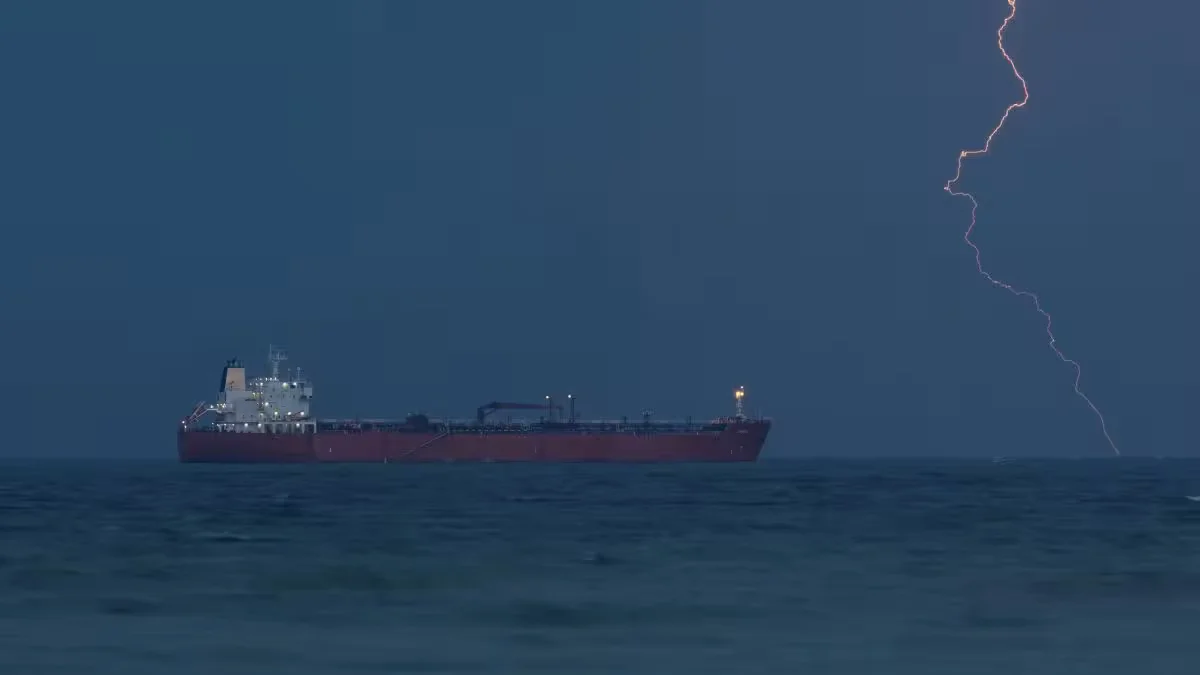
Iran has announced that “non-hostile” vessels will be allowed to transit the strategically vital Strait of Hormuz, offering partial reassurance to global shipping companies and energy markets amid rising tensions with the United States and its allies.
Iranian officials said ships not linked to countries considered hostile would continue to pass through the narrow waterway, though the situation remains subject to security conditions. The Strait of Hormuz is one of the world’s most critical maritime chokepoints, carrying roughly 20% of global oil shipments each day.
The announcement comes after weeks of uncertainty surrounding possible restrictions on shipping through the Gulf region as conflict risks increased. Concerns over a potential closure had already driven volatility in global oil prices and raised insurance premiums for tankers entering the area.
Energy analysts say Iran’s statement may help stabilize oil markets in the short term by reducing fears of a full blockade. However, experts caution that access remains conditional and could change rapidly depending on military developments and diplomatic negotiations.
Shipping companies and international insurers are continuing to monitor the situation closely as naval forces from several countries maintain a presence in nearby waters to safeguard maritime routes and commercial traffic.
Western governments have repeatedly stressed the importance of keeping the Strait of Hormuz open to ensure uninterrupted global energy supplies. Any prolonged disruption could affect fuel prices, trade flows, and inflation worldwide.
Despite Iran’s assurances, security risks remain elevated in the region. Market observers say the evolving situation highlights how tensions around the Strait of Hormuz continue to play a central role in shaping global oil prices, shipping confidence, and broader economic stability.