



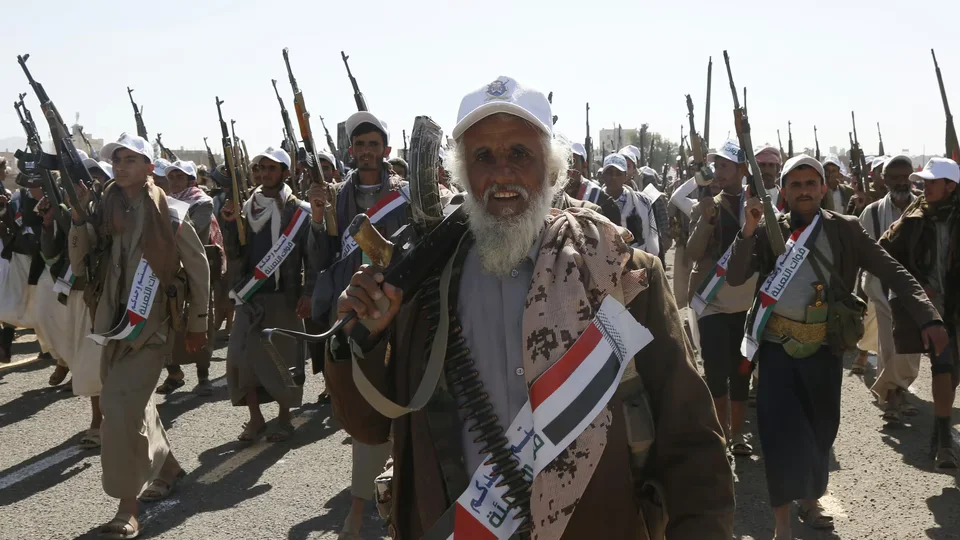
Iran-backed Houthi forces in Yemen have entered the widening regional conflict by launching a ballistic missile toward Israel, marking a significant escalation as tensions spread beyond the core fronts of the war.
According to Israeli military officials, the missile triggered air-raid sirens in southern parts of the country, including the city of Beersheba. Authorities said air-defense systems were activated in response to the launch, though officials are still reviewing details about interception outcomes and potential damage.
The strike represents the first direct missile attack by the Houthis against Israel since the latest phase of fighting intensified earlier this year. Houthi leaders had previously warned they could expand their involvement in support of Iran-aligned regional actors if the conflict continued to escalate.
The Houthi movement has long been considered part of a network of groups aligned with Iran across the region. Analysts say the missile launch signals a potential widening of the conflict’s geographic scope, raising concerns about further attacks from multiple directions against Israel.
Military observers note that Israel maintains layered air-defense systems designed to intercept long-range missile threats from countries and non-state actors across the region, including launches from Yemen. Still, even limited attacks can increase pressure on security resources and heighten uncertainty among civilians.
The latest strike follows weeks of intensifying regional hostilities involving Iranian forces and allied groups, prompting fears that additional actors could become directly involved. Experts warn that continued escalation may increase the risk of a broader Middle East confrontation involving multiple fronts.
Officials in Israel have not yet announced whether retaliatory action will follow, but previous attacks from Yemen have often been met with airstrikes targeting Houthi-controlled infrastructure.
Security analysts say the development underscores how quickly the conflict could expand beyond its original boundaries if additional regional groups increase direct military involvement.