



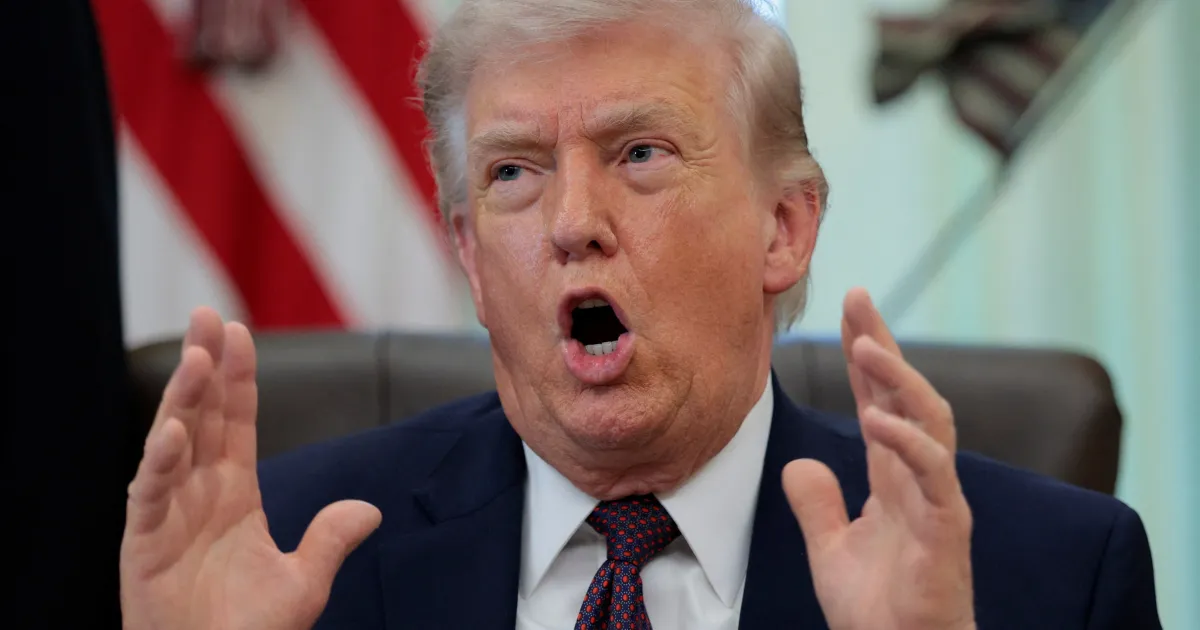
U.S. President Donald Trump has said he is “strongly considering” withdrawing the United States from NATO, citing frustration that key allies declined to support Washington’s military campaign against Iran. The remarks mark one of the most serious challenges yet to the future of the transatlantic alliance.
Trump’s comments came as tensions with European partners deepened following the U.S.–Israeli military operation against Iran earlier this year. Several NATO countries reportedly refused direct participation and limited cooperation related to bases and overflight access, intensifying disagreements within the alliance.
At the same time, the president suggested the ongoing conflict with Iran could end within two to three weeks, signaling a possible rapid shift in U.S. military involvement in the region. Trump indicated that the objective of crippling Iran’s military capabilities—particularly preventing nuclear development—was nearing completion and that a formal diplomatic agreement might not be required to conclude operations.
He also said the United States could withdraw from Iran “pretty quickly,” while keeping open the option of returning for targeted strikes if necessary, reflecting a strategy focused on limited but decisive intervention rather than long-term deployment.
Despite the strong rhetoric about NATO, legal experts note that a U.S. president cannot easily exit the alliance without congressional approval. A law passed in recent years requires either a two-thirds Senate vote or new legislation from Congress before any withdrawal from the treaty can take effect.
Trump’s statements have raised concern among European leaders and defense analysts, who warn that uncertainty about U.S. commitment could weaken NATO’s collective security framework at a time of heightened global instability.
As the conflict with Iran evolves and diplomatic pressure increases, Washington’s next moves could reshape both the war’s timeline and the future of its alliances across Europe and the Middle East.