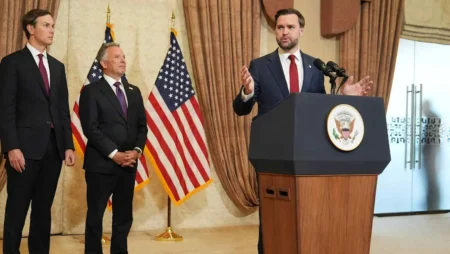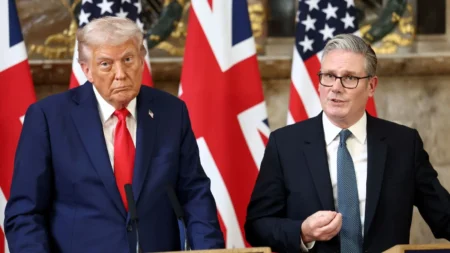




High-level peace talks between the United States and Iran ended without agreement after negotiators failed to bridge major differences over control of the Strait of Hormuz and the future of Iran’s nuclear stockpile, officials familiar with the discussions said.
The direct talks in Islamabad lasted more than 20 hours but concluded in an impasse, leaving a fragile ceasefire in place without a long-term settlement. According to officials on both sides, disputes over maritime access through the strategically vital Strait of Hormuz and limits on Iran’s uranium reserves emerged as the central obstacles to progress.
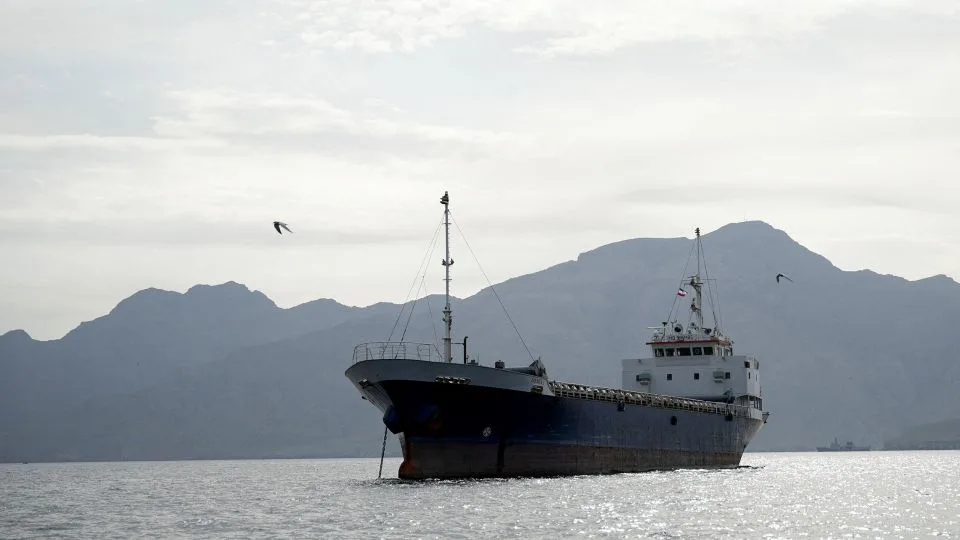
U.S. negotiators pushed for guarantees that the strait would reopen fully to international shipping without conditions, while Iranian officials insisted on maintaining control of the waterway and sought the ability to regulate transit and potentially charge tolls. The narrow passage handles a large share of the world’s oil shipments, making it a key bargaining point in the negotiations.
At the same time, Washington demanded firm commitments from Tehran to limit or relinquish portions of its highly enriched uranium stockpile, which U.S. officials say raises concerns about potential weapons capability. Iranian representatives rejected those demands, maintaining their nuclear program is intended for civilian purposes and accusing the United States of overreach.
Iran also signaled it would continue asserting influence over the Strait of Hormuz until what it considers a “reasonable” agreement is reached, further complicating efforts to restore normal shipping flows through the critical energy corridor.
The breakdown highlights the difficulty of balancing military, economic, and nuclear issues in a single diplomatic framework. While both sides indicated that future talks remain possible, officials warned that tensions could escalate again if no compromise is reached soon.
With global energy markets closely watching the situation and regional security still uncertain, the unresolved disputes over Hormuz and Iran’s nuclear program remain central to whether diplomacy can prevent renewed conflict.