



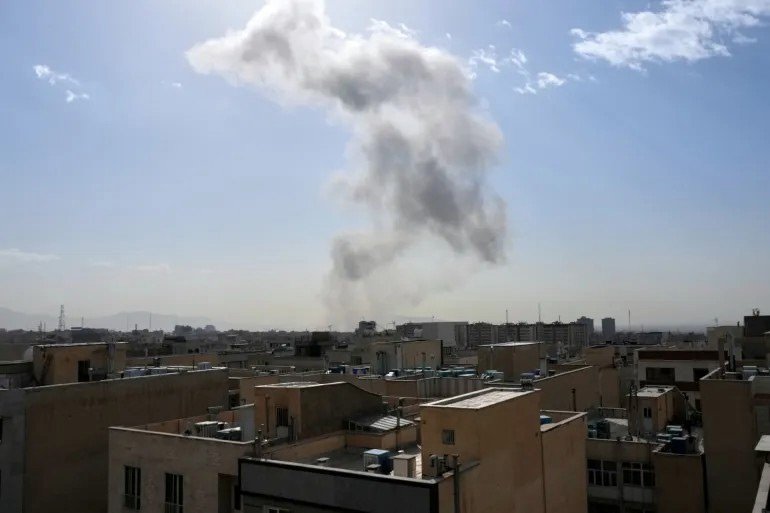
The United States and Israel have launched coordinated military strikes on Iran, marking one of the most serious escalations in Middle East tensions in years. Explosions were reported in Tehran and other major cities after what officials described as pre-emptive attacks targeting military infrastructure and leadership sites.
Israeli authorities said the operation aimed to counter perceived security threats, while U.S. officials characterized the campaign as part of “major combat operations.” Air-raid sirens sounded across Israel as authorities prepared for retaliation.
Iran responded within hours, launching missiles and drones toward Israel and U.S. military positions across the region, including sites in Bahrain and other Gulf states. Iranian leadership warned of a “crushing response,” signaling the possibility of a prolonged confrontation.
The conflict quickly affected civilian activity. Countries across the Middle East closed airspace and major airlines suspended flights as security risks increased.
Analysts say the situation has moved beyond proxy tensions into direct state-level confrontation, raising fears of a broader regional war involving multiple actors. Oil markets, shipping routes, and international travel are already experiencing disruption as governments urge restraint and monitor developments.
With both sides preparing for further action, global leaders are calling for de-escalation, but no immediate ceasefire efforts have been confirmed. Observers warn that miscalculation could trigger a wider conflict across the Middle East.