


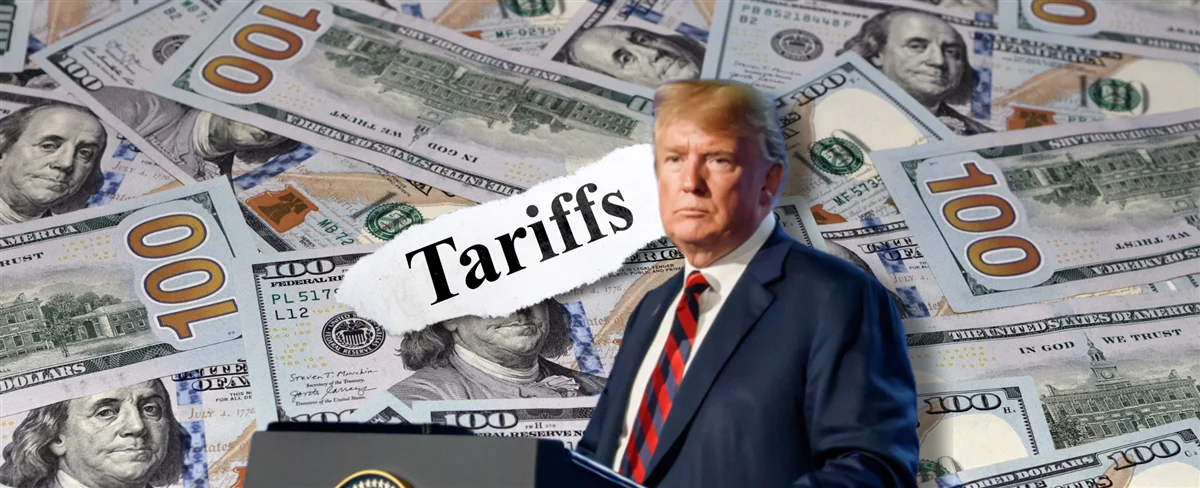
Americans who ultimately bore the cost of tariffs on imported goods may be surprised to learn they are unlikely to see any direct refunds even as legal battles reshape how those trade penalties are handled.
Over the past several years, tariffs imposed on a wide range of foreign products raised prices across multiple sectors, from household appliances to construction materials and consumer electronics. Economists broadly agree that while tariffs are charged at the border to importers, much of the cost is passed down the supply chain to businesses and consumers through higher prices.
Now, after court rulings and administrative reviews have questioned or rolled back some duties, billions of dollars in collected tariffs could be returned — but only to the companies that formally paid them to the government. These are typically importers and large distributors, not individual shoppers who absorbed price increases at stores.
Trade attorneys explain the law treats tariffs as taxes paid by the importer of record. Because consumers never directly paid the government, they are not legally eligible for reimbursement. Even if companies receive refunds, there is no requirement that savings be passed on to customers who originally paid more at checkout.
Consumer advocates argue the situation highlights how trade policy can indirectly tax the public without a clear mechanism for repayment. Meanwhile, business groups say refunding importers is necessary to correct improperly applied duties and maintain confidence in the legal trade system.
Experts note that while shoppers may never receive a check, tariff reversals can still reduce future prices as supply costs normalize though the effect varies by industry and competition levels.