



The United States has launched one of its most technologically advanced military campaigns in decades, deploying a wide range of cutting-edge weapons against Iran as the conflict intensifies across the Middle East.
At the center of the operation are B-2 Spirit stealth bombers, designed to penetrate heavily defended airspace and strike hardened underground facilities. The aircraft have dropped 2,000-pound precision bombs on Iranian missile infrastructure and command centers.
Supporting them are long-range Tomahawk cruise missiles, fired from naval destroyers and submarines hundreds of kilometers away. These missiles can travel roughly 1,000 miles and were used to hit air defenses, launch sites, and communications networks during the opening phase of the assault.
The U.S. has also introduced a new battlefield tactic: large numbers of low-cost one-way attack drones known as LUCAS. Modeled after Iran’s own kamikaze drones, the GPS-guided weapons are designed to overwhelm defenses by attacking in swarms while keeping costs low.
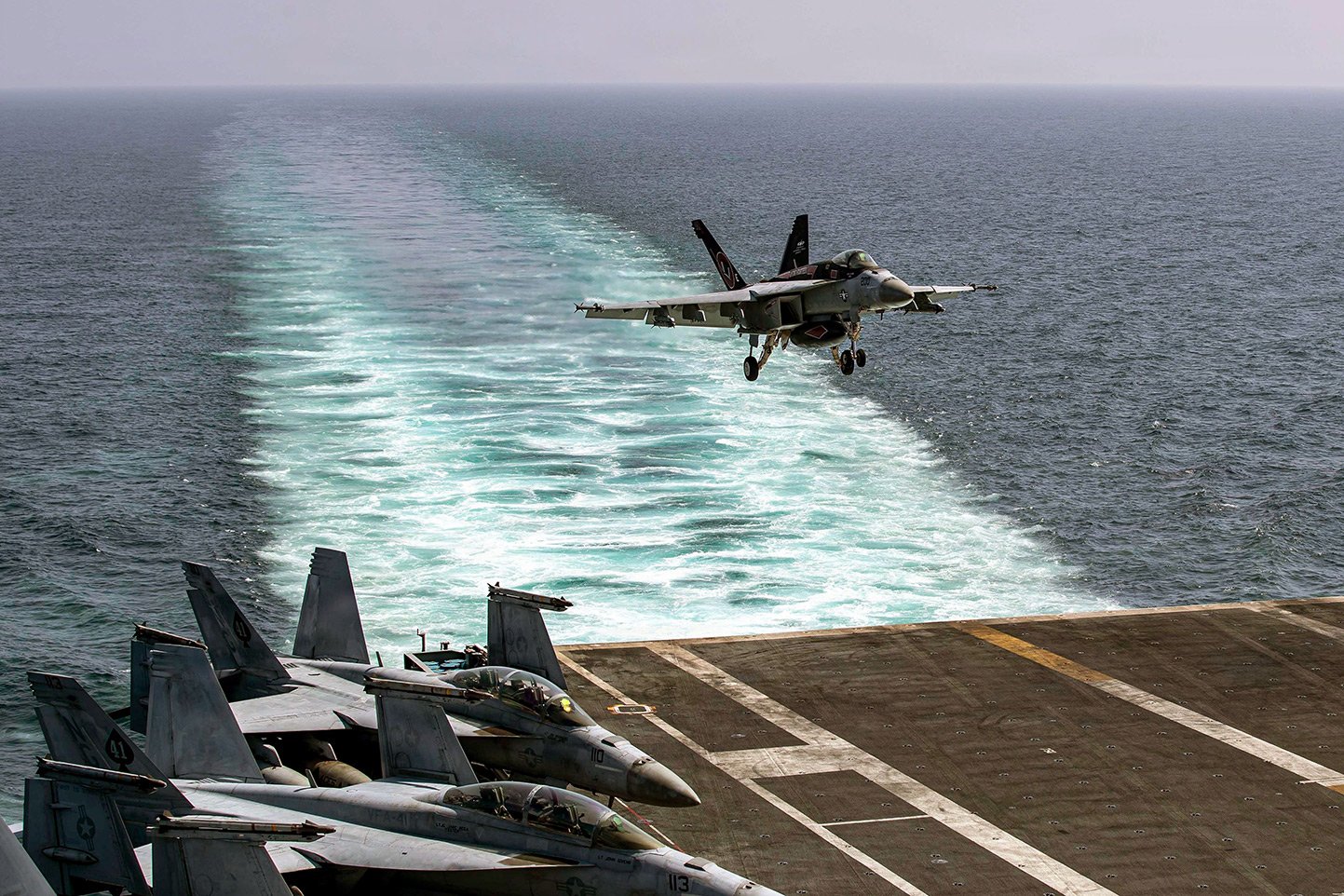
Air superiority is maintained by advanced fighter aircraft including F-35, F-22, F-16 and Navy F/A-18 jets, while A-10 attack planes provide close-air support. Surveillance aircraft and electronic-warfare planes disrupt radar and communications systems before strikes occur.
At sea, more than a dozen warships — including carrier strike groups — have launched missiles and coordinated air operations. The naval presence allows sustained attacks without relying solely on regional bases.
Officials say over 1,000 targets have been hit so far, ranging from missile installations to naval facilities.
Military analysts note the operation highlights a shift in modern warfare: combining stealth aircraft, precision missiles and inexpensive drones to achieve both overwhelming force and cost efficiency — a model likely to shape future conflicts.