




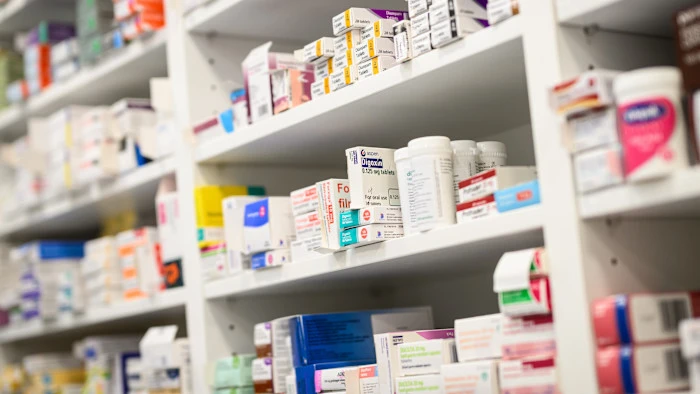
U.S. President Donald Trump is expected to announce new tariffs targeting certain imported pharmaceutical drugs, a move aimed at lowering prescription prices and encouraging drugmakers to expand manufacturing inside the United States.
According to reports, the proposed policy could impose tariffs of up to 100% on selected branded and patented medicines produced overseas by companies that have not agreed to reduce prices for U.S. consumers or shift production domestically.
Officials say several major pharmaceutical companies—including Pfizer and AstraZeneca—have already negotiated agreements that may allow them to avoid the new tariffs through pricing commitments and investments in U.S. facilities.
The policy is part of a broader effort by the administration to pressure drugmakers into offering lower-cost medications through initiatives such as the TrumpRx pricing platform and domestic manufacturing incentives. Analysts say the strategy could reshape global pharmaceutical supply chains and affect companies heavily dependent on exports to the U.S. market.
However, industry groups warn the tariffs could raise uncertainty across the global healthcare sector and potentially affect medicine availability in some regions. Investors have already reacted cautiously, with shares of several international drugmakers declining amid concerns about export exposure to the U.S.
Some countries may avoid the impact entirely through trade agreements. For example, the United Kingdom recently secured tariff-free access for pharmaceutical exports to the United States under a bilateral deal finalized this year.
While the administration has not confirmed final details, the announcement could come within days. Economists say the move signals a continued shift toward aggressive trade measures designed to reduce drug costs and boost domestic production in the pharmaceutical sector.