


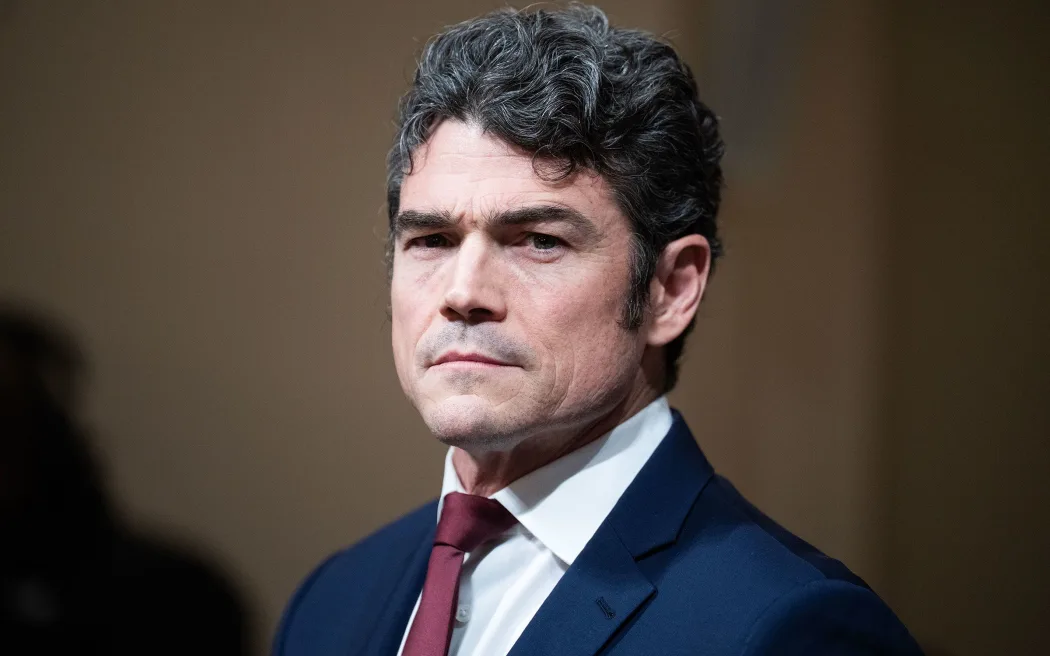
A major controversy has erupted in Washington after Joe Kent, a senior intelligence official appointed by Donald Trump, resigned in protest over the ongoing U.S. war with Iran. Kent, who served as director of the National Counterterrorism Center, stepped down on March 17, 2026, citing deep concerns about the justification for military action.
In his resignation statement, Kent made a striking claim: “Iran posed no imminent threat to our nation.” He added that he could not, in good conscience, support a war that he believes was not backed by clear and immediate intelligence. His remarks directly contradict the administration’s position that military action was necessary to prevent a potential attack.
Kent’s departure marks the first high-level resignation tied directly to the Iran conflict, signaling growing internal divisions within the administration. As head of counterterrorism, Kent had access to some of the most sensitive intelligence assessments, making his statement particularly significant. His stance has quickly fueled debate among lawmakers, analysts, and international observers.
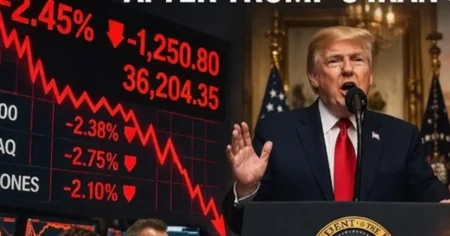
The Trump administration has strongly rejected Kent’s claims, insisting that credible intelligence pointed to a serious and evolving threat from Iran. Officials argue that decisive action was required to protect national security and prevent escalation.
The situation has drawn comparisons to past U.S. military interventions where intelligence assessments were later questioned. Critics are now calling for greater transparency and congressional oversight to evaluate the evidence used to justify the war.
As tensions continue to rise, Kent’s resignation is likely to intensify scrutiny over U.S. foreign policy decisions and the role of intelligence in shaping them, potentially influencing both domestic politics and international relations in the months ahead.