


Several senior figures in President Donald Trump’s inner circle who once urged caution about military action against Iran are now publicly backing the administration’s campaign as the conflict intensifies.
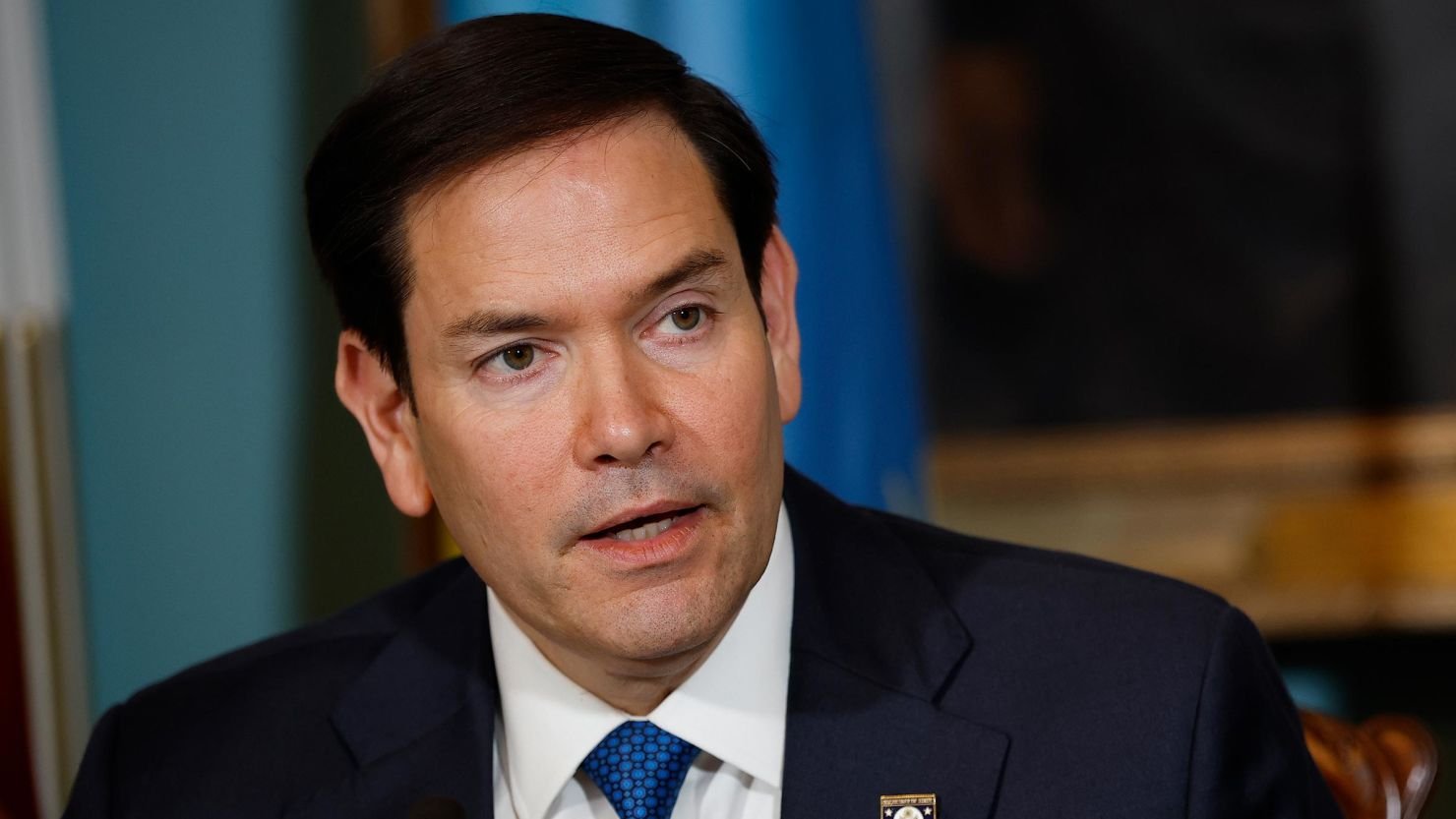
Among those who previously voiced concerns were Vice President JD Vance and Secretary of State Marco Rubio. Both had earlier signaled hesitation about deeper U.S. involvement in another Middle East conflict, reflecting divisions within Trump’s political coalition between interventionists and those aligned with the “America First” movement that favors avoiding foreign wars.
However, as military operations expanded, both officials have largely aligned themselves with the administration’s strategy. Vance has emphasized that the goal of the campaign is to prevent Iran from developing nuclear weapons, arguing that the current approach differs from past U.S. wars in the region and has more limited objectives.
Rubio, meanwhile, has defended the strikes by saying U.S. intelligence indicated Iran could retaliate against American forces if Israel launched an attack first. According to Rubio, the United States acted pre-emptively to reduce the risk of casualties and destroy key Iranian military capabilities such as missile systems and naval assets.
The shift reflects how rapidly the political debate in Washington has evolved since the conflict began. Early caution among Trump allies was partly driven by concerns that a prolonged war could contradict promises to avoid large-scale foreign interventions.
Now, with the U.S. military carrying out widespread strikes against Iranian targets and regional tensions rising, most of Trump’s top advisers have rallied behind the administration’s position.
Analysts say the shift underscores the strong pressure within presidential administrations to present a unified front during wartime, even when internal disagreements exist about the risks and long-term consequences of military action.