



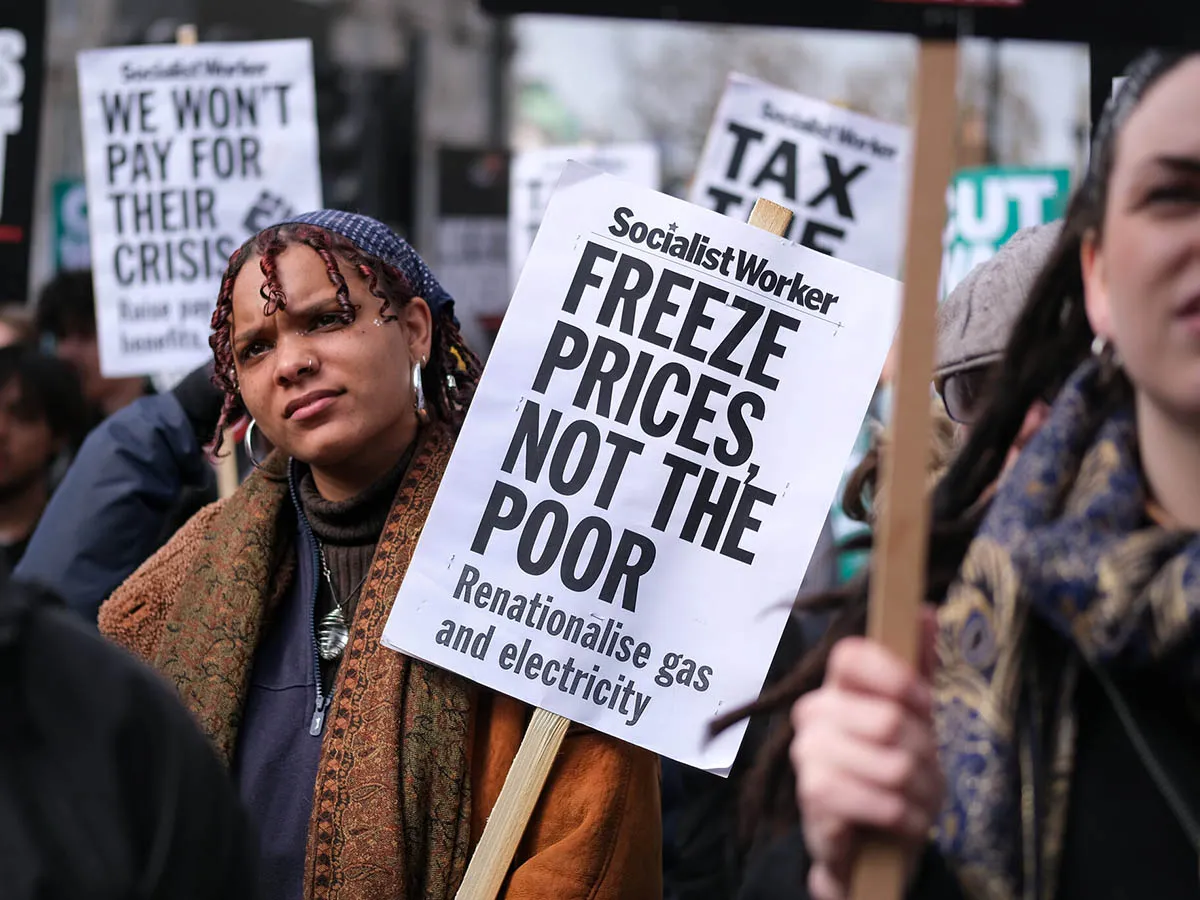
Washington, D.C.: Several U.S. states are taking sharply different approaches to taxation as rising costs and budget shortfalls force lawmakers to consider whether higher earners should pay more. The debate has intensified amid inflation pressures, expanding social programs, and slowing revenue growth in some regions.
Supporters of higher taxes on top earners argue the policy could stabilize public finances and fund essential services such as education, healthcare, and infrastructure. They say wealth inequality has widened in recent years, making progressive tax systems necessary to maintain fiscal balance without cutting public programs.
Opponents, however, warn that raising taxes on high-income residents could drive businesses and wealthy individuals to relocate to lower-tax states, ultimately shrinking the tax base. Some states have instead opted to reduce taxes to attract investment and population growth, betting that economic expansion will offset lower rates.
The divide has created a patchwork system nationwide. While certain states are proposing new brackets targeting millionaires, others are eliminating income taxes altogether. Economists note both strategies carry risks: higher taxes may discourage investment, while lower taxes can strain budgets if growth fails to compensate for lost revenue.
With many states finalizing upcoming fiscal plans, the issue has become one of the most consequential policy choices facing governors and legislatures. Analysts expect the debate to intensify as economic uncertainty persists and governments search for stable funding sources without slowing growth.