

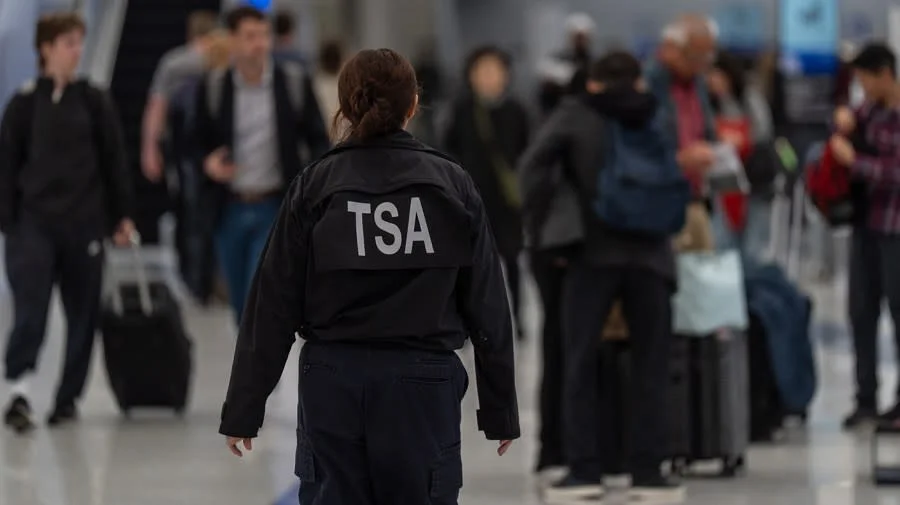
A new federal budget proposal from Donald Trump is renewing debate over whether airport security screening in the United States should shift toward greater privatization, a move that could significantly reshape how passengers experience screening at major travel hubs.
The proposal calls for expanding the role of private contractors in security operations currently overseen by the Transportation Security Administration (TSA). Supporters argue the change could improve efficiency, reduce wait times, and lower long-term operational costs while maintaining federal oversight standards.
Privatized screening is not entirely new in the United States. Several airports already participate in the TSA’s Screening Partnership Program, which allows private companies to perform passenger screening under federal supervision. Advocates of expansion say these programs demonstrate that private operators can meet or exceed existing security benchmarks while offering greater flexibility in staffing and technology adoption.
However, critics warn that shifting more responsibility to private firms could introduce inconsistencies across airports and raise concerns about training standards, accountability, and workforce stability. Labor groups representing TSA officers have also voiced opposition, arguing that federal screening personnel provide a more unified national security framework.
Aviation security experts note that any transition would likely occur gradually and remain tightly regulated by federal authorities. They emphasize that TSA would still set policies, approve contractors, and oversee compliance with national security requirements even if private screening roles expand.
The proposal arrives amid broader efforts to reshape federal spending priorities and streamline government operations. Lawmakers are expected to debate whether privatization would strengthen security outcomes or create new operational challenges for airports already managing increasing passenger volumes.
If approved, the measure could mark one of the most significant structural shifts in U.S. airport security policy since the TSA was established following the September 11 attacks.