




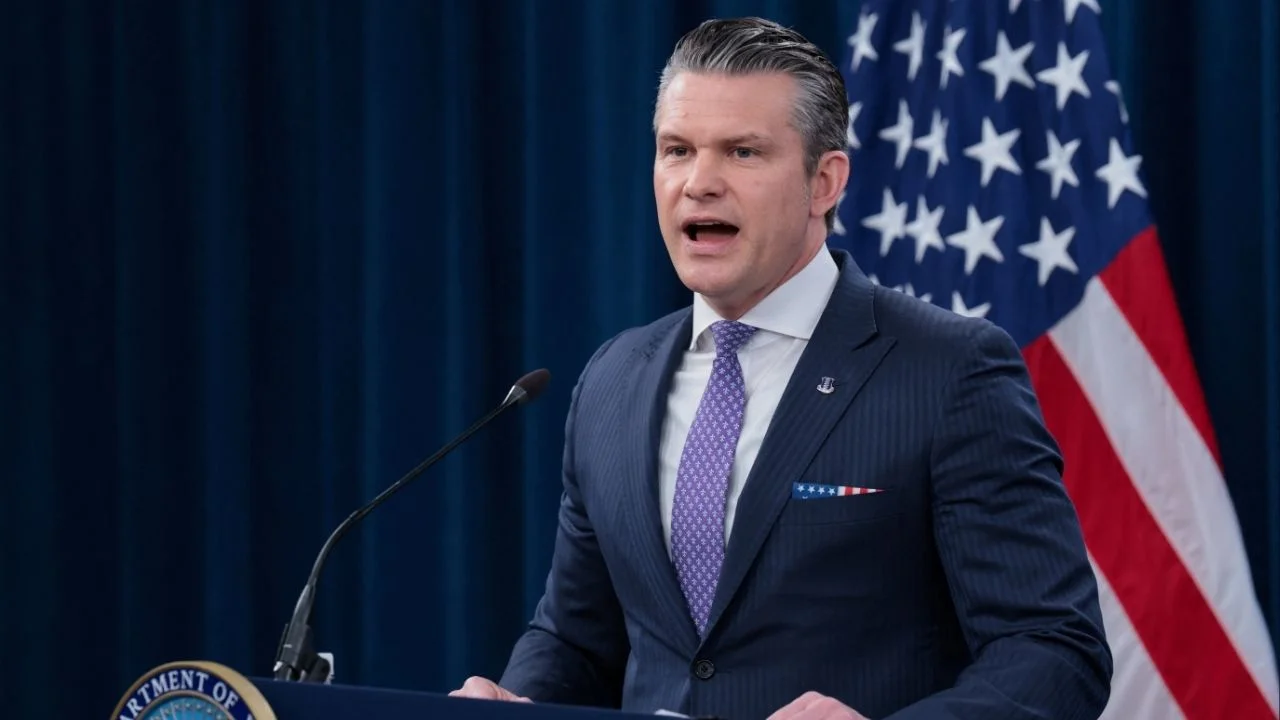
The Pentagon says U.S. military forces remain fully prepared to resume combat operations immediately if directed by national leadership, underscoring continued readiness as tensions persist across several global hotspots.
Defense officials emphasized that American forces are maintaining elevated alert levels following recent regional confrontations involving Iran and ongoing instability across parts of the Middle East. While diplomatic efforts remain underway, military planners have kept contingency operations in place should conditions deteriorate or negotiations fail.
According to senior defense representatives, naval assets, air power units, and regional command structures are positioned to respond quickly if required. Officials noted that maintaining readiness during ceasefires or negotiation periods is standard practice intended to ensure rapid response capability if circumstances change.
The statement comes as concerns continue surrounding security in the Strait of Hormuz, one of the world’s most critical maritime energy corridors. Any escalation affecting the route could disrupt global oil shipments and increase risks to commercial shipping traffic.
Pentagon leaders stressed that maintaining operational preparedness does not signal an immediate return to active combat but reflects precautionary planning during a period of uncertainty. Military officials also reiterated that diplomatic channels remain the preferred path toward de-escalation.
Security analysts say such statements are often intended to reassure allies and deter potential adversaries by signaling that the United States retains the capability to respond quickly if necessary. They add that force readiness is especially important during fragile ceasefire periods when misunderstandings or isolated incidents can rapidly escalate.
For now, defense officials say the focus remains on supporting diplomatic efforts while ensuring U.S. forces remain positioned to act if ordered by civilian leadership.