



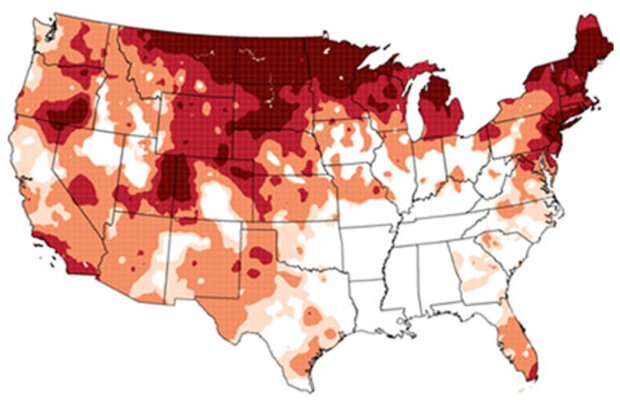
A new federal climate report reveals that 41 of the 50 U.S. states have experienced significant warming trends, though the rate and effects vary widely from region to region.
According to climate scientists involved in the assessment, rising temperatures are now unmistakable across much of the country. Western and Northern states are among the fastest-warming, with some areas seeing average annual temperatures climb substantially over the past several decades. Meanwhile, parts of the Southeast show more modest increases but face other related climate impacts such as humidity rise and more intense storm patterns.
Experts say these warming trends are linked to broader global temperature increases driven primarily by human activities, particularly the burning of fossil fuels. But the report also highlights how regional geography, land use, and local climate patterns contribute to distinct warming characteristics in different states.
In states like Alaska, warming is already dramatically altering ecosystems, with melting permafrost and reduced sea ice. In contrast, states in the Mountain West are grappling with hotter summers and earlier snowmelt, contributing to more frequent droughts and heightened wildfire risk. The Midwest and Northeast are also warming steadily, raising concerns about heat stress, agricultural disruptions, and infrastructure strain.
Climate researchers caution that while warmer temperatures are just one aspect of climate change, they have cascading effects on water availability, extreme weather events, public health, and natural systems. Local authorities are increasingly focused on adaptation strategies, including heat mitigation planning, resilient infrastructure, and water resource management.
Federal and state policymakers say the data underscores the urgency of coordinated action on both mitigation — such as reducing greenhouse gas emissions — and adaptation to help communities cope with the changes already underway.
The report serves as a reminder that climate change is not a distant threat but a current reality with diverse impacts across the United States.