




Formerly homeless people across the United States—including military veterans living in supportive housing—could face eviction risks if proposed federal policy changes to homelessness programs move forward, according to housing advocates and nonprofit organizations.
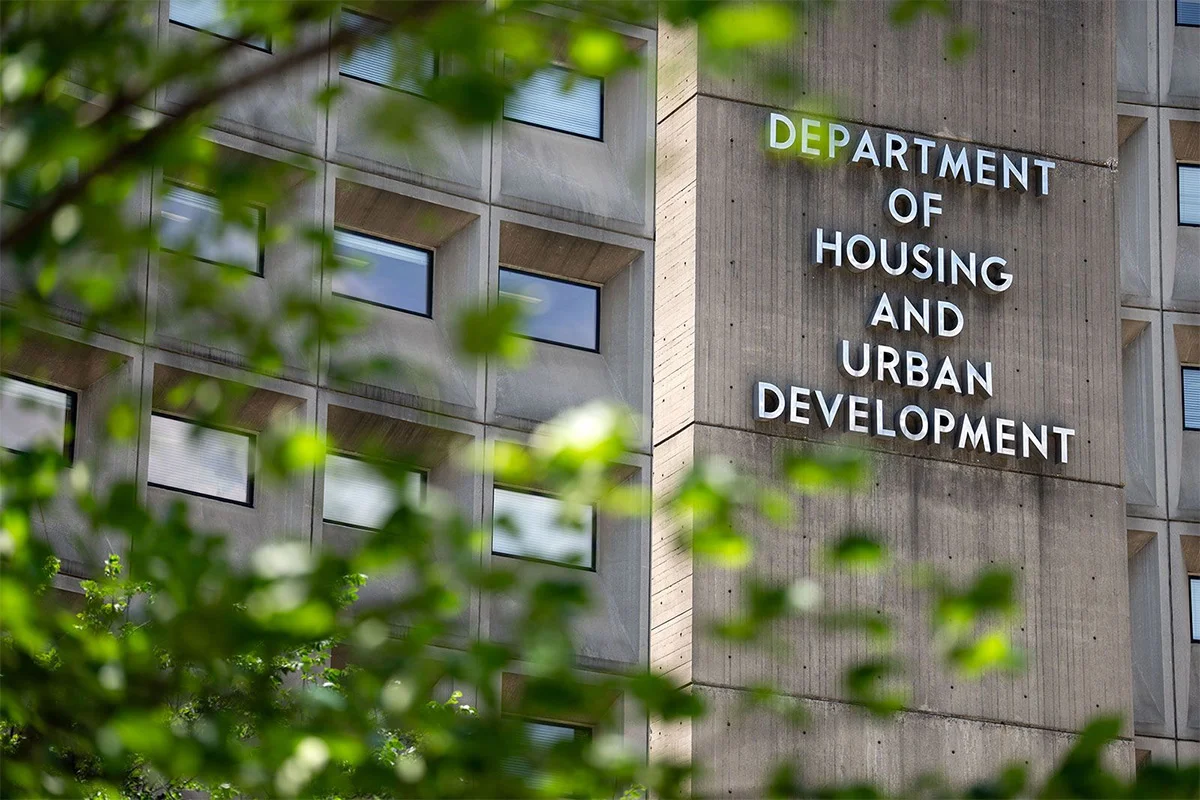
The plan involves restructuring funding priorities within programs overseen by the Department of Housing and Urban Development (HUD), potentially affecting permanent supportive housing initiatives that provide long-term stability for vulnerable residents. Analysts say these programs have played a central role in reducing homelessness nationwide over the past decade.
Advocacy groups warn that altering eligibility rules and shifting funding away from long-standing housing models could leave thousands of people without guaranteed access to supportive housing placements. Some proposals would replace “Housing First” approaches designed to provide immediate stable housing with requirements tied to treatment participation or behavioral conditions.
Supportive housing programs have been especially important for veterans, helping reduce veteran homelessness significantly since the late 2000s through partnerships between HUD and the United States Department of Veterans Affairs. Experts say changes to those systems could disrupt services that many rely on to remain housed.
Nonprofit housing providers also warn that proposed restructuring of federal homelessness grants could put permanent supportive housing units at risk in several states, potentially affecting thousands of residents who previously transitioned off the streets.
Administration officials have argued the changes are intended to shift homelessness policy toward treatment-focused services and stronger accountability requirements. However, advocates say reduced funding stability could increase eviction risks for residents already living in federally supported housing programs if local providers lose resources needed to maintain operations.
Some elements of the broader homelessness funding overhaul have already faced legal challenges and temporary court pauses, leaving uncertainty about how quickly any nationwide changes might take effect.
Housing experts say the outcome of the policy debate could significantly shape the future of supportive housing programs—and the stability of thousands of formerly homeless Americans in the years ahead.